

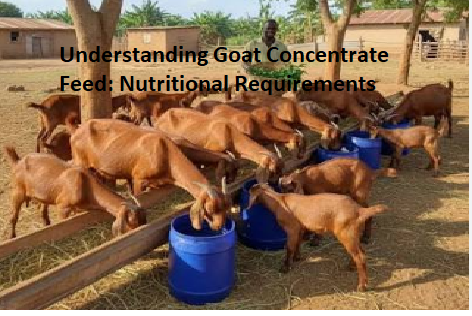
Providing high-quality goat concentrate feed is essential for producers who want to maximize milk yield or growth rates in their herds. While forage forms the backbone of a goat’s diet, concentrates fill the nutritional gaps that grass and hay often fail to bridge. These energy-dense mixtures are formulated to deliver specific levels of protein, minerals, and vitamins that support high-performance animals.
Understanding how these feeds interact with a goat’s rumen is the first step toward managing a healthy, productive flock. By balancing your forage with the right supplement, you ensure your animals maintain their condition even during periods of high demand like lactation or late-stage gestation.
The primary function of goat concentrate feed is to provide supplemental energy and protein that exceeds what is available in standard pasture or hay. Most commercial concentrates are composed of cereal grains, protein meals, and vitamin-mineral premixes designed to fuel rapid growth or increased milk production. Unlike roughage, which is high in fiber, these feeds are high in starch and sugars, providing a quick source of fuel for the animal’s metabolism.
Because goats are ruminants, they require a delicate balance; too much concentrate can cause acidosis, while too little may lead to poor body condition. A typical concentrate mix usually contains between 12% and 18% crude protein depending on the specific life stage of the goat.
Nutritional Composition of Concentrates
A well-balanced concentrate is more than just a mix of grains; it is a calculated delivery system for essential nutrients. Most formulations rely on corn, oats, or barley as the primary energy sources, which provide the starch needed for energy. Soybean meal or cottonseed meal is frequently added to boost the protein content, which is vital for tissue repair and milk synthesis.
Manufacturers often include a “mineral pack” that contains critical elements such as calcium, phosphorus, selenium, and copper. These micronutrients are often lacking in local forage, making the concentrate the most reliable way to prevent deficiencies.
The ratio of ingredients in a concentrate is dictated by the goat’s physiological state. For example, a lactating doe requires higher calcium levels to support milk production, whereas a growing kid needs more protein for muscle development. Many farmers choose to purchase a pre-mixed bag to ensure consistency, as formulating a custom ration requires precise calculations.
If you are mixing your own, you must account for the specific energy density of every ingredient. Always verify the protein percentage on the feed tag to ensure it matches the specific needs of your herd’s current cycle.
Comparing Forage and Concentrate Roles
It is a common mistake to view concentrate as a replacement for hay or pasture, when it should actually be viewed as a supplement. Forage provides the long fiber necessary for proper rumen function and stimulates the chewing action that keeps the digestive tract healthy. When you feed concentrates, you are effectively “topping off” the energy intake to meet peak performance goals.
If you reduce the forage intake too much, the goat’s rumen pH will drop, leading to metabolic issues like bloat or grain overload. The goal is to provide enough concentrate to support production without sacrificing the health of the rumen.
Reliable data on feed efficiency shows that the most successful operations maintain a strict ratio between these two types of feed. You should generally aim to provide at least 60% of the goat’s total dry matter intake from high-quality forage. The remaining 40% can be sourced from concentrates, though this depends heavily on the animal’s weight and productivity.
If you notice your goats leaving forage behind in favor of the grain, you are likely feeding too much concentrate. Always monitor how much roughage they consume before and after adding supplements to their daily routine.
Common Ingredients Found in Commercial Mixes
When you examine the label of a commercial product, you will see a variety of grains and by-products that serve specific roles. These ingredients are chosen for their palatability and their ability to provide sustained energy release. For instance, molasses is often included not just for flavor, but as a binder that reduces dust and prevents the animal from picking through the feed.
This ensures the goat consumes the entire pellet or mix rather than selecting only the tastiest bits. Below is a breakdown of common categories found in modern goat concentrate feed:
- Energy Sources: Cracked corn, rolled oats, and barley provide essential starch for metabolism.
- Protein Sources: Soybean meal, canola meal, and distillers grains offer necessary amino acids for growth.
- Fiber Additives: Soy hulls or beet pulp are sometimes added to provide digestible fiber without excessive starch.
- Vitamin and Mineral Premixes: These include essential trace elements like copper and selenium tailored for goat health.
- Palatability Enhancers: Molasses or vegetable oils are used to improve the texture and encourage consistent intake.
Managing Feed Costs and Efficiency
Controlling the cost of supplementation is a major concern for any livestock manager, as feed is often the single largest expense. High-quality concentrates are expensive, so wasting them through poor storage or overfeeding is a direct hit to your bottom line. You should track your feed conversion ratios to see if the investment in higher-priced feeds is actually resulting in higher milk yields or better growth.
Sometimes, a slightly more expensive concentrate that is highly digestible can be cheaper in the long run because you need to feed less of it. Always keep your feed in a dry, rodent-proof environment to prevent nutrient degradation and mold growth.
The table below provides a general comparison of common energy and protein sources used in homemade or custom concentrate mixes. Prices and availability can fluctuate based on regional agricultural output and seasonal demand.
| Ingredient | Primary Benefit | Relative Energy Level | Protein Content |
|---|---|---|---|
| Cracked Corn | High Energy | Very High | 8-9% |
| Soybean Meal | Protein Supplement | Low | 44-48% |
| Rolled Oats | Fiber/Energy | Moderate | 12-13% |
| Beet Pulp | Digestible Fiber | Moderate | 9-10% |
| Barley | Balanced Energy | High | 11-12% |
Safety Precautions for Feeding Concentrates
Introducing grain-based supplements requires a cautious approach to prevent digestive distress. Goats are highly sensitive to sudden changes in their diet, which can lead to rapid shifts in rumen bacteria. If you are starting a new batch of feed, transition the animals over a period of seven to ten days.
Start with a small amount and gradually increase it until you reach the target daily intake. This period allows the rumen flora to adapt to the new starch levels without causing a drop in pH.
Another critical safety factor is the prevention of copper toxicity, which is a common concern in small ruminant management. Many commercial feeds contain added copper, which is necessary for goats, but you must ensure it does not exceed safe limits. Never feed goats a concentrate formulated for sheep, as the copper levels in sheep feed can be lethal to goats over time.
Always read the label to ensure the product is specifically designed for the nutritional requirements of goats. For more information on managing specific dietary needs, you can consult the eXtension Livestock and Poultry resources for professional guidelines on small ruminant nutrition.
Seasonal Adjustments to Feeding
The nutritional demands of your herd will shift significantly with the seasons and the breeding cycle. During the winter months, when pasture quality is low and temperatures are cold, goats need more energy just to maintain their core body temperature. You may need to increase the amount of concentrate provided to help them maintain their body condition score.
Conversely, during the spring flush when grass is lush and high in protein, you can reduce the amount of supplemental grain. Failing to adjust for these changes leads to either malnourished animals or unnecessary feed expenses.
Late pregnancy and early lactation represent the most critical times to manage concentrate intake. During late gestation, the growing kids take up physical space in the doe’s abdomen, reducing her capacity for forage. Providing a higher-density concentrate ensures she gets enough nutrients without needing to consume large volumes of bulky hay.
Once she enters lactation, her energy needs skyrocket to support milk output. You must monitor her body condition weekly during this time to ensure she isn’t losing too much weight, which could affect her future reproductive performance.
Determining the Right Amount to Feed
Calculating the exact daily amount of concentrate depends on the animal’s weight, age, and production level. As a general rule, you should never feed more than 1% to 1.5% of the goat’s body weight in grain per day. For a 100-pound doe, this means a maximum of one to one and a half pounds of concentrate.
Exceeding this amount significantly increases the risk of metabolic disorders such as enterotoxemia. Always weigh your feed rather than guessing by volume, as the density of different mixes can vary greatly.
Body condition scoring is the most practical way to assess if your current feeding program is effective. A scale of 1 to 5 is typically used, with 3 being the ideal condition for most goats. If your goats are consistently scoring a 2 or lower, they are likely not receiving enough energy, and you should consider increasing the concentrate portion of their diet.
If they are scoring a 4 or 5, they are over-conditioned, which can lead to reproductive issues and joint stress. Adjust your feed levels in small increments based on these visual and tactile assessments.
Common Questions About Goat Feeding
What is the main difference between forage and concentrate?
Forage consists of high-fiber plant material like hay, pasture, or silage that keeps the rumen healthy. Concentrate is a dense, grain-based supplement used to provide extra energy and protein for growth or milk production.
Can I feed my goats chicken or cattle feed?
You should avoid feeding chicken or cattle feed to your goats. These feeds often contain medications or mineral levels that are toxic or ineffective for small ruminants, particularly regarding copper levels.
How do I know if my goat is getting enough nutrients?
The most reliable method is to monitor the animal’s body condition score regularly. A healthy goat should have a solid, muscular frame without being excessively thin or obese.
Should I provide minerals separately if I use concentrate?
Yes, even if your concentrate includes minerals, you should provide a loose mineral mix free-choice. Goats have unique mineral requirements that may fluctuate depending on the specific soil and forage quality in your area.
How often should I change the type of concentrate I use?
You should avoid changing feed types frequently, as this disrupts the rumen microbiome. If you must change, do it gradually over a week or more to minimize digestive stress.
Maximising Herd Health
Properly integrating goat concentrate feed into your daily management routine is a cornerstone of a successful livestock operation. By carefully selecting formulations that match the physiological needs of your animals, you can improve growth rates and milk production while maintaining rumen health. Remember that high-quality forage remains the foundation of the diet, while the concentrate acts as a targeted tool to fill nutritional gaps.
Regular monitoring of body condition and strict adherence to feeding schedules will help you achieve the best results with your herd. Consistent observation and minor adjustments over time are far more effective than radical changes, so start small and observe how your goats respond to your chosen supplementation program.
