

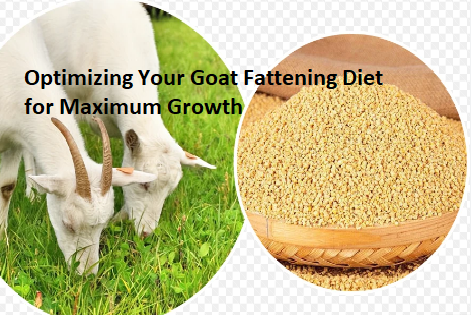
Optimizing a goat fattening diet requires a strategic balance of high-energy concentrates and high-quality roughage to ensure rapid, healthy weight gain. Producers often struggle to find the right ratio, but success hinges on providing enough protein and energy to support muscle development rather than just fat storage.
By understanding the metabolic needs of your herd, you can significantly reduce the time required to reach market weight while maintaining animal health. This article explores the specific nutritional requirements, feeding schedules, and management practices necessary to achieve profitable results in your livestock operations.
Nutritional Requirements for Rapid Weight Gain
To achieve effective weight gain, a goat needs a diet that exceeds its maintenance requirements. Maintenance energy is what the animal needs just to exist, while production energy drives the growth of muscle and fat tissue.
You must provide a ration that typically contains 14% to 16% crude protein for young, growing goats. Energy density is equally critical, often supplied through grains like maize, barley, or oats.
Fiber remains a non-negotiable component of a healthy rumen environment. If you push the concentrate levels too high without sufficient roughage, you risk acidosis, which can be fatal.
Aim for a ratio of approximately 60% concentrates and 40% forage once the animals have adjusted to the feed. This balance ensures that the rumen microbes remain functional while the animal receives the dense caloric intake required for rapid fattening.
Recommended Ingredients for Feed Formulations
A successful goat fattening diet typically relies on a blend of energy sources and protein supplements. Energy sources like crushed corn or wheat provide the necessary calories, while protein sources like soybean meal or sunflower seed cake drive skeletal and muscle growth. You should also incorporate a vitamin and mineral premix to prevent deficiencies that could stunt growth.
Many farmers find success using agricultural by-products to keep costs down. Wheat bran, rice polish, and dried distillers grains are excellent additions to a standard ration.
Always ensure these ingredients are free from mold, as goats are highly sensitive to mycotoxins. A consistent, high-quality feed formulation is the foundation of any weight gain program.
| Ingredient Category | Examples | Primary Function |
|---|---|---|
| Energy Source | Maize, Barley, Sorghum | Caloric density for weight gain |
| Protein Source | Soybean Meal, Cottonseed Cake | Muscle and tissue development |
| Fiber Source | Alfalfa hay, grass hay, straw | Rumen health and digestion |
| Minerals/Vitamins | Premix, Salt, Limestone | Metabolic function and bone growth |
Managing the Transition to High-Energy Feed
Never introduce a high-energy diet suddenly, as this causes severe digestive upset. Start by offering small amounts of the new ration alongside the animals’ existing forage.
Gradually increase the proportion of concentrates over a period of 10 to 14 days. This slow transition allows the rumen microorganisms to adapt to the change in substrate.
During this period, observe the goats closely for signs of bloating or scouring. If you notice these symptoms, immediately reduce the grain intake and increase the amount of long-stemmed hay.
Consistency in feeding times is just as important as the feed itself. Feeding at the same time every day prevents the goats from over-consuming during a single session, which can lead to metabolic stress.
The Role of Minerals and Supplements
A goat fattening diet is incomplete without proper mineral supplementation. Goats require specific macro and micro-minerals to support the physiological processes involved in rapid growth.
Salt is essential for fluid balance, while calcium and phosphorus are vital for bone density. You can offer these free-choice in the form of loose minerals or blocks.
Baking soda is a common addition to the diet to help maintain rumen pH. It acts as a buffer, neutralizing the acids produced when the goats consume high levels of grain.
Providing a separate container of sodium bicarbonate allows the goats to self-regulate based on their immediate digestive needs. This simple practice significantly lowers the risk of health issues during a heavy feeding program.
Water Consumption and Hydration
Water is often the most overlooked nutrient in livestock management. A goat that is not drinking enough will not eat enough, which brings weight gain to a complete halt.
Ensure that your animals have access to clean, fresh water at all times. In hot weather, water consumption can increase by up to 50% as the animals attempt to regulate their body temperature.
Troughs should be scrubbed and refilled regularly to prevent the growth of algae and bacteria. If the water is too cold in the winter, the goats may drink less, which in turn reduces their feed intake.
Consider using tank heaters in sub-zero climates to keep the water at an palatable temperature for the animals. Adequate hydration is a prerequisite for a successful goat fattening diet.
Housing and Stress Reduction
Stress is a major deterrent to weight gain. When a goat is stressed, its body releases cortisol, which breaks down muscle tissue rather than building it.
Provide adequate shelter that protects the herd from harsh winds, rain, and excessive heat. A dry, comfortable environment allows the animals to rest, which is when most of the actual tissue growth occurs.
Overcrowding is another common cause of stress in feeding lots. Ensure that each animal has enough space to move around and access the feed bunk without being bullied by more dominant goats.
You can learn more about proper livestock management and animal welfare through resources like the National Institute of Food and Agriculture. Monitor the herd daily for signs of illness or injury, as a sick goat will lose weight faster than it can gain it.
Monitoring Progress and Adjusting Rations
You cannot manage what you do not measure. Weigh your goats at the beginning of the program and at regular intervals, such as every two weeks.
This helps you determine the average daily gain and whether the diet is actually producing the desired results. If the gain is stagnant, you may need to adjust the protein content or increase the energy density of the feed.
Keep detailed records of how much feed each group consumes. If you notice that the feed conversion ratio is poor, it might indicate that the goats are wasting feed or that the diet is not being utilized efficiently.
Adjust the ration based on the weight of the animal, as requirements change as the goat grows. Data-driven adjustments are the hallmark of a professional producer.
Common Mistakes to Avoid
Many beginners make the mistake of feeding too much grain too soon. This leads to liver abscesses and chronic health issues that negate any potential profits from weight gain.
Another frequent error is ignoring the importance of parasite control. A heavy worm load will consume the nutrients intended for the goat’s growth, leading to wasted feed and poor performance.
* Failing to provide high-quality forage alongside concentrates.
* Neglecting to use a proper mineral supplement.
* Allowing goats to drink stagnant or contaminated water.
* Ignoring parasite management during the finishing phase.
* Changing the feed formulation too frequently.
Maintaining a clean and hygienic facility is also essential to prevent the spread of disease. Do not allow manure to accumulate in the feeding area, as this increases the risk of foot rot and respiratory infections. A well-managed, clean environment combined with a balanced goat fattening diet will yield the best results for your operation.
Frequently Asked Questions
What is the best food for goats to gain weight?
The best approach is a combination of high-quality forage, such as alfalfa hay, and a balanced concentrate mix containing energy-dense grains like corn or barley. You must also include essential vitamins and minerals to support the increased metabolic demand.
Why give baking soda to goats?
Baking soda acts as a rumen buffer. It helps keep the pH levels in the rumen stable, especially when goats are on a high-grain diet, which prevents acidosis and improves digestion.
How do I fatten goats quickly?
Rapid weight gain is achieved by providing a consistent, high-energy diet that is gradually increased over time. You must ensure the animals are free of internal parasites, have constant access to fresh water, and are kept in a low-stress environment.
What should not be fed to goats?
Avoid feeding goats moldy hay, grain that contains urea, or plants that are toxic to ruminants like azaleas or rhododendrons. You should also avoid large quantities of kitchen scraps that may be high in sugar or salt.
How often should I weigh my goats?
Weighing your goats every two weeks is a good practice. This allows you to track their progress accurately and make necessary adjustments to their diet if they are not hitting their growth targets.
Conclusion
Achieving target weights efficiently is entirely dependent on the quality and consistency of your feeding program. By focusing on a balanced goat fattening diet that prioritizes rumen health alongside high caloric intake, you can see significant improvements in your production cycles. Remember that nutrition is only one part of the equation; parasite control, clean water, and a stress-free environment are equally vital to your success.
Start by implementing small, manageable changes to your current feeding routine and monitor the results closely through regular weighing. When you treat the process as a science rather than a guessing game, you will find it much easier to maintain a productive and healthy herd throughout the year.
