

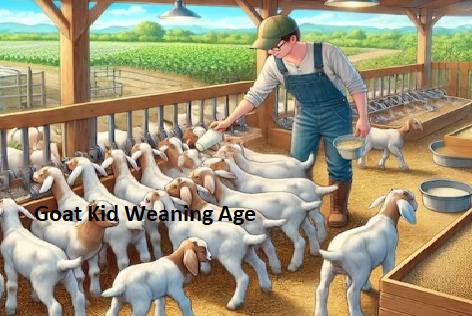
Determining the ideal goat kid weaning age is a cornerstone of responsible herd management, balancing the nutritional needs of the offspring with the physiological health of the doe. Most producers settle on an age between 8 and 12 weeks, though specific breed requirements and production goals often dictate shifts within this range.
Understanding how to manage this transition properly prevents common issues like stunted growth, stress-induced illness, and mastitis in nursing mothers. By mastering the timing and methodology of this process, you ensure your kids develop strong rumen function and maintain consistent weight gain through their most vulnerable developmental stages.
Defining the Ideal Weaning Window
The most common goat kid weaning age sits firmly between 8 and 12 weeks of age. While some commercial operations might push for earlier weaning at 6 weeks, this requires intensive nutritional management that many smaller farms struggle to replicate.
Waiting until at least 8 weeks allows the kid’s rumen to develop sufficiently to handle high-fiber forage and grain. If you wean before this point, you risk a permanent growth check that the animal may never fully recover from.
Conversely, leaving kids on the doe for more than 16 weeks can be counterproductive for the mother. Extended lactation drains the doe’s body condition, making it difficult for her to regain weight before the next breeding cycle.
Most experienced breeders aim for the 10-week mark as the “sweet spot” for balancing kid health and doe recovery. This timeframe ensures the kids are robust enough to handle the stress of separation while giving the doe enough time to dry off before winter or her next pregnancy.
Nutritional Milestones and Rumen Development
Rumen development is the primary physiological marker that dictates when a goat can move away from a milk-dependent diet. A newborn kid relies almost entirely on its abomasum to digest milk, but this changes as they begin to nibble on hay and browse.
By the time they reach 4 to 6 weeks, they should be consuming enough solid food to begin the transition toward adult digestion. If they are not actively eating forage by this stage, weaning will cause a significant drop in their growth rate.
You can monitor rumen development by observing the kid’s interest in creep feed and high-quality hay. A kid that is actively chewing its cud is signaling that its forestomachs are functioning as they should.
Providing clean, palatable hay is essential during the weeks leading up to the target goat kid weaning age. This provides the physical stimulation required to grow the papillae within the rumen, which are necessary for nutrient absorption later in life.
Weight-Based Weaning Strategies
While age is a convenient metric, many producers argue that weight is a more accurate indicator of readiness. A common industry standard suggests that a kid should be at least 2.5 to 3 times its birth weight before it is considered ready to be removed from milk.
For standard-sized breeds like the Boer, this often corresponds to a weight of 40 to 50 pounds. Smaller breeds, such as the Nigerian Dwarf, will reach their weaning weight much earlier, often between 20 and 25 pounds.
Relying solely on weight can be dangerous if the animal is not physiologically mature, so it is best to use weight in conjunction with age. A kid that reaches 40 pounds at 5 weeks old is likely not ready for the stress of total independence from milk.
Their digestive tract still lacks the capacity to process the volume of forage needed to sustain that rapid growth rate. Always prioritize age as the primary gatekeeper, and use weight as a secondary confirmation of health.
Managing the Stress of Separation
Weaning is one of the most stressful events in a young goat’s life, and minimizing this stress is vital for long-term productivity. Abrupt separation—where the doe is moved to a distant pasture overnight—is the most common method, but it is also the most traumatic.
This shock can lead to “weaning slump,” where the kids stop eating and lose weight for several days. A more gradual approach is usually better for the animals’ immune systems.
One effective strategy is to remove the doe for several hours during the day, returning her at night for short periods. This allows the kids to adjust to life without constant access to milk while still having the comfort of their mother’s presence.
Over a period of 7 to 10 days, you can reduce the time they spend together until the separation is permanent. This method significantly reduces the bleating and pacing that often accompany the weaning process, keeping the entire herd calmer.
Comparing Weaning Approaches
Different management styles require different approaches to the weaning process. The following table illustrates how varying production goals influence the timeline and strategy for separating kids from their dams.
| Production Goal | Typical Weaning Age | Primary Strategy |
|---|---|---|
| Meat Production | 12–16 weeks | Pasture-based, late weaning |
| Dairy Replacement | 8–10 weeks | Bottle or bucket transition |
| Pet/Hobby Herd | 10–12 weeks | Gradual separation |
| Intensive Commercial | 6–8 weeks | High-protein creep feed |
Health Considerations During the Transition
The period immediately following weaning is when goat kids are most susceptible to coccidiosis and other internal parasites. The stress of separation suppresses their immune system, making it easier for dormant oocysts to bloom in their gut.
It is standard practice to monitor fecal samples closely during this window and consider a preventative treatment if your farm has a history of high parasite loads. You can find detailed veterinary guidance on parasite management via the American Consortium for Small Ruminant Parasite Control website.
In addition to parasite management, you must ensure that water intake remains high. Weaning often leads to a decrease in fluid consumption because the kids are no longer receiving the moisture content of milk.
Ensure that fresh, clean water is available at an easily accessible height. Some breeders add electrolytes to the water for the first few days post-weaning to encourage consumption and mitigate the effects of stress-induced dehydration.
Essential Infrastructure and Supplies
Successful weaning requires the right tools to keep the animals contained and properly fed. You need a dedicated “weaning pen” that is secure enough to prevent the kids from escaping back to their mothers.
This pen should be free from drafts and provide plenty of dry bedding, as stress makes kids more prone to respiratory issues. The area should also have a specialized creep feeder that allows the kids access to high-quality grain while excluding the adults.
Below is a checklist of items that facilitate a smooth transition away from milk:
- High-protein creep feed formulated specifically for growing ruminants.
- Fresh, leafy alfalfa or high-quality grass hay to encourage nibbling.
- A secure, predator-proof enclosure with adequate ventilation.
- Loose minerals that are specifically labeled for goats, not sheep.
- Clean, elevated water troughs that cannot be easily fouled.
- Coccidiostat additives if recommended by your local veterinarian.
Monitoring for Success Post-Weaning
Once the kids are fully weaned, your job is to ensure they continue to gain weight steadily. You should weigh your kids weekly for the first month following separation to catch any growth stalls early.
If a kid loses weight, it is a red flag that they are either struggling with parasites or are not consuming enough dry matter. Inspect their coats and eyes; a dull coat or pale inner eyelid is often a sign of anemia or poor nutritional status.
Watch their behavior in the group setting to ensure they are integrating well with their peers. Sometimes, a dominant kid will bully others away from the feeder, preventing the smaller ones from getting their share of nutrients.
If you notice persistent bullying, consider splitting the group based on size. Ensuring every individual has equal access to resources is the final, crucial step in securing their long-term health and growth.
Frequently Asked Questions
What is the absolute earliest age a goat kid can be weaned?
While some intensive operations wean as early as 6 weeks, this is generally discouraged for hobbyists or small-scale farmers. Kids weaned this early require highly specialized, expensive rations and constant monitoring to prevent growth checks. Most animals thrive much better when given at least 8 to 10 weeks to mature.
Do I need to change the kids’ diet immediately after weaning?
No, you should never make sudden changes to a goat’s diet, especially during a high-stress event like weaning. Keep them on the same hay and grain mix they were eating while still on the doe for at least two weeks. Slowly introduce new forage or change concentrate levels only after they have fully adjusted to the absence of milk.
How do I know if the doe needs to be milked after weaning?
If the doe’s udder becomes tight, hot, or lumpy, she may be at risk for mastitis. You should check her udder daily for the first few days after the kids are removed. If it is extremely uncomfortable, you can perform a “partial milking” to relieve pressure, but do not empty it completely, as this will signal her body to continue producing milk.
Can I wean kids at different ages if they are in the same herd?
It is perfectly acceptable to wean based on individual maturity rather than a strict group date. If you have a group of kids of varying ages, sort them into pens based on their readiness. This allows you to provide higher-quality nutrition to the younger ones who still need the extra support while transitioning the older, stronger kids to a maintenance diet.
What are the signs that a kid is not handling weaning well?
Watch for constant, distressed bleating, pacing along the fence line, and a lack of interest in food. A kid that remains isolated from the rest of the group or appears lethargic is likely struggling with the transition. If these behaviors persist for more than 48 hours, consider providing temporary comfort or reassessing their nutritional intake.
Conclusion
Mastering the goat kid weaning age is a balance of science and observation, requiring you to remain flexible based on the individual needs of your herd. By targeting the 8 to 12-week window, you provide the necessary time for rumen development while protecting the long-term health of your does. Remember that the goal is not just to get the kids off milk, but to ensure they continue to thrive and grow without interruption.
Consistency in nutrition and a gentle, gradual approach to separation will yield the best results for your farm. Monitor your animals closely during the transition, keep your infrastructure secure, and don’t hesitate to consult with a local veterinarian if you notice signs of illness. With these practices in place, you can confidently manage the development of your herd and ensure every kid reaches its full potential.
