

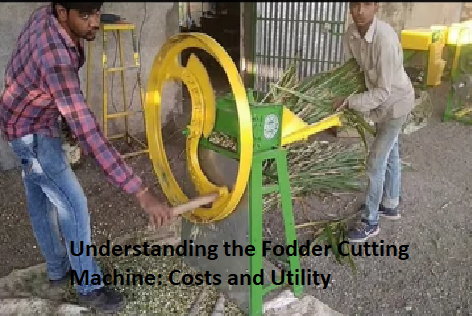
A high-quality fodder cutting machine serves as the backbone of efficient livestock management by transforming raw crop stalks into digestible feed. Choosing the right equipment significantly impacts your daily labor requirements and the overall health of your herd. Whether you are operating a small family farm or managing a larger commercial enterprise, understanding how a fodder cutting machine functions is essential for optimizing your resources.
This article examines the technical specifications, pricing factors, and practical maintenance tips to help you make an informed investment. By evaluating your specific needs against available mechanical designs, you can select a tool that minimizes waste while maximizing the nutritional intake of your animals.
The cost of a basic, manually operated fodder cutting machine typically ranges from $80 to $200, while electric-powered industrial models can exceed $1,500. For a standard entry-level motorized unit suitable for small-scale dairy operations, you should expect to pay between $300 and $600. These prices fluctuate based on the motor’s horsepower, the build material of the blades, and the machine’s overall throughput capacity.
When budgeting, always factor in the cost of potential spare parts and protective safety gear, which are often overlooked in initial estimates. Investing in a higher-quality steel blade assembly often results in lower long-term maintenance costs, as these parts require less frequent sharpening and replacement.
Core Mechanical Variations
The primary distinction in feed processing technology lies between manual hand-cranked units and motorized mechanical systems. Manual machines are designed for low-volume requirements, often serving farmers who process small amounts of green grass or dry straw daily. These units rely on a flywheel mechanism to generate the force necessary for clean, consistent cuts.
In contrast, motorized units utilize electric motors or internal combustion engines to handle significantly higher volumes of biomass. These machines are essential for operations that process tons of fodder weekly, as they maintain a consistent output rate regardless of the operator’s physical fatigue levels.
Operating Principles and Efficiency
A fodder cutting machine operates by utilizing a series of rotating blades or a single high-speed flywheel to shear plant material into smaller, uniform segments. This process, often called chaffing, increases the surface area of the fodder, which makes it significantly easier for livestock to chew and digest. When animals consume finely cut feed, they spend less energy on mastication and experience less wastage compared to consuming long, un-cut stalks.
Proper calibration of the feed chute and blade gap is crucial to ensure that the material is cut to the desired length. A machine that is out of alignment will often produce uneven, shredded fibers that can lead to digestive issues in sensitive animals.
| Machine Type | Power Source | Typical Capacity | Estimated Price |
|---|---|---|---|
| Manual Chaff Cutter | Human Power | 50-100 kg/hr | $80 – $200 |
| Small Motorized | 0.5 – 1 HP Motor | 200-400 kg/hr | $300 – $600 |
| Commercial Heavy | 3 – 5 HP Motor | 800-1500 kg/hr | $900 – $1,500+ |
Material Suitability and Processing
Different crops require varying blade configurations to achieve optimal results. For example, maize stalks are thicker and more fibrous than green clover or ryegrass, requiring stronger, serrated blades to prevent jamming. Some advanced machines feature adjustable settings that allow the operator to change the length of the cut, which is particularly useful when switching between dry hay and fresh green fodder.
Using the machine for materials it wasn’t designed for—such as woody branches or plastic-contaminated waste—will quickly dull the blades and strain the motor. Always check the manufacturer’s manual to verify the types of biomass your specific model can handle.
Safety Protocols for Operators
Safety must be the highest priority when operating any industrial cutting equipment. Most modern units come equipped with a safety guard over the feed intake, but these should never be treated as a substitute for operator vigilance. You must ensure that the machine is placed on a level, stable surface to prevent vibration-induced movement during operation.
Furthermore, never attempt to clear a blockage while the machine is connected to a power source or while the flywheel is still spinning. Many accidents occur when operators try to force material into the chute with their hands; always use a wooden or plastic pusher tool to feed the stalks into the blades.
Maintenance and Blade Sharpening
Regular maintenance is the only way to ensure your fodder cutting machine remains efficient over several years of use. The blades are the most critical component and will naturally dull over time, leading to frayed edges on the cut fodder. If you notice the machine struggling to pull material through or if the motor sounds strained, it is time to sharpen or replace the cutting edges.
Additionally, all moving parts, including bearings and drive chains, require periodic lubrication to prevent friction-related overheating. Keep a clean workspace, as dust and small debris can accumulate in the motor housing and lead to electrical failures or overheating.
Comparing Chaff Cutters and Silage Cutters
Many buyers confuse chaff cutters with silage cutters, but they serve distinct roles in agricultural workflows. A chaff cutter is primarily used for the daily reduction of raw forage into bite-sized pieces for immediate consumption. A silage cutter, or forage harvester, is often a larger, more complex machine designed to chop crops into smaller pieces to be compacted and fermented in a silo.
While a high-end chaff cutter can perform some of the functions of a smaller silage cutter, the latter is engineered to handle massive volumes and often includes blowers to move the cut material directly into storage bins. Understanding the principles of livestock feed management is vital when deciding which level of equipment your farm truly requires.
Evaluating Long-Term Value
When assessing the value of a fodder cutting machine, look beyond the initial purchase price to the long-term operational costs. A cheaper machine with a low-efficiency motor may consume more electricity and require more frequent repairs, effectively costing more over a three-year period. Look for features such as powder-coated frames to prevent rust and replaceable, hardened steel blades that can be sharpened multiple times.
Reputable manufacturers often provide a list of compatible spare parts, which is a strong indicator of a machine’s longevity. If a model has no available replacement parts, even a low initial price tag represents a poor investment.
Key Considerations for Buyers
* Power Requirements: Ensure your farm’s electrical supply matches the voltage and amperage needs of the motor.
* Throughput Needs: Calculate your daily feed volume to avoid buying a machine that is either underpowered or excessively expensive for your scale.
* Build Quality: Prioritize heavy-gauge steel construction to withstand the constant vibrations of daily operation.
* Portability: Consider whether the unit needs to be moved between fields or if it will be permanently bolted to a concrete floor.
* Safety Features: Verify the presence of an emergency stop switch and robust intake guards.
Common Questions About Fodder Cutting Machines
Is a chaff cutter the same as a silage cutter?
While both tools perform the function of chopping plant material, they differ significantly in their intended use. A chaff cutter is generally a smaller, simpler machine for daily feed preparation, whereas a silage cutter is a heavy-duty implement designed for mass-processing crops into silage pits.
How often should I sharpen the blades?
The frequency of sharpening depends on the volume of material processed and the hardness of the stalks. For a standard dairy farm, you should inspect the blades every month and perform a professional sharpening at least once per season to maintain efficiency.
Can I use a manual cutter for large herds?
Manual cutters are physically demanding and inefficient for large herds. If you are feeding more than five animals, the time and labor cost of a manual unit will quickly outweigh the investment cost of an electric model.
What is the most common cause of machine failure?
The most common cause of failure is overloading the intake chute, which leads to motor burnout or drive belt snapping. Always feed the material at a steady, manageable pace rather than jamming large bundles into the machine at once.
Do these machines require a specific type of electricity?
Most small-to-medium fodder cutting machines run on standard 110V or 220V household electricity. However, industrial-grade models may require a three-phase power supply, which is common in professional agricultural facilities but rare in residential settings.
Conclusion
Selecting the right fodder cutting machine is a foundational step in improving the efficiency of your agricultural operation. By focusing on the durability of the blade assembly, the capacity of the motor, and the safety features of the unit, you can ensure that your equipment provides reliable service for years. Proper maintenance, including regular sharpening and lubrication, will keep your machine running smoothly while reducing the energy required for daily processing.
Whether you opt for a manual design or a high-capacity electric motor, the goal remains the same: to provide your livestock with consistent, high-quality feed that maximizes their health and productivity. Take the time to assess your specific herd size and power availability before making your final selection to ensure you get the best value for your investment.
