

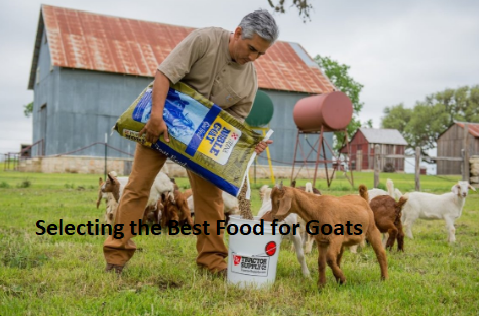
Determining the best food for goats requires understanding their unique status as ruminants with specialized digestive systems. These animals are naturally browsers rather than grazers, meaning they thrive on a diverse diet of shrubs, weeds, and woody plants rather than just grass.
Providing the correct nutrition is the most significant factor in maintaining their health, longevity, and overall productivity. By focusing on high-quality forage and appropriate supplementation, you can ensure your herd maintains a healthy weight and strong immune system throughout the year.
The primary foundation for a goat’s diet is high-quality forage, which should make up at least 75% of their daily intake. Forage typically consists of pasture, hay, or browse, which provides the necessary fiber for proper rumen function.
When fresh pasture is unavailable, high-quality grass hay or legume hay serves as the essential daily staple. You should aim for hay that is free of mold, dust, and excessive weeds to prevent respiratory and digestive issues.
Defining the Nutritional Foundation
At its core, the best food for goats is high-quality, clean forage supplemented by minerals and water. Goats require a diet rich in fiber to keep their rumen moving, which helps prevent bloat and other metabolic disorders.
While commercial pellets are often marketed as a primary food source, they should actually be viewed as a supplement rather than a complete diet. If you provide unlimited access to clean, dry hay or diverse browse, your goats will satisfy most of their nutritional requirements naturally.
Forage and Hay Requirements
Goats are incredibly selective eaters that prefer to pick through a variety of plants rather than consuming a single type of grass. If you are feeding hay, orchard grass, Timothy, or a mix of alfalfa and grass are generally preferred by most owners.
Alfalfa is particularly beneficial for lactating does or growing kids due to its high protein and calcium content. However, too much alfalfa can lead to urinary calculi in wethers if the calcium-to-phosphorus ratio is not carefully balanced.
Always ensure that the hay you purchase is harvested at the right time to maximize nutrient density. Hay that is cut too late becomes stemmy and loses much of its nutritional value, leaving the goats hungry even if they consume large quantities.
You can test your hay quality by inspecting the color and smell; it should be green and fragrant rather than brown or musty. If you are unsure about the quality of your local supply, consider having your hay tested for protein and mineral content.
The Role of Mineral Supplementation
Because soil quality varies significantly by region, goats often lack specific minerals that are not found in their standard forage. A loose, goat-specific mineral mix is superior to a block, as goats have difficulty getting enough minerals by licking hard surfaces.
You should look for a mineral supplement that contains high levels of copper, as goats are much more sensitive to copper deficiencies than sheep. Avoid “all-stock” minerals, as these are often formulated for species with different biological needs and may cause toxicity.
| Nutrient Category | Primary Source | Function |
|---|---|---|
| Fiber | Hay, Browse, Pasture | Digestive health and energy |
| Protein | Legumes, Alfalfa, Pellets | Muscle growth and milk production |
| Minerals | Loose Goat Mineral Mix | Metabolic and immune support |
| Water | Fresh, clean source | Hydration and digestion |
Understanding Commercial Pellets and Grains
Many owners wonder if they should feed sweet feed or pellets to their animals. While some producers use grain to help goats gain weight or maintain body condition during winter, it is not strictly necessary for every goat.
If you choose to use pellets, select a formula specifically designed for goats to ensure the proper balance of vitamins and minerals. Excessive grain consumption can lead to obesity or even enterotoxemia, a dangerous condition caused by an overgrowth of bacteria in the gut.
It is helpful to keep a record of how your goats respond to different types of feed. If you notice a drop in milk production or a change in coat condition, you may need to adjust the energy density of their diet.
Always introduce new feed types gradually over a period of two weeks to prevent digestive upset. Abrupt dietary changes are a leading cause of scours and other acute gastrointestinal problems in small ruminants.
Harmful Foods to Avoid
Certain plants and household items are toxic to goats and should be kept away from their grazing areas. Many ornamental shrubs, such as azaleas, rhododendrons, and mountain laurel, contain compounds that are fatal even in small quantities.
You should also avoid feeding your goats kitchen scraps like onions, garlic, or chocolate, as these can disrupt their delicate internal flora. For more information on identifying safe and toxic vegetation, visit the eXtension Foundation database for agricultural guidance.
- Avoid feeding moldy or dusty hay, which can cause respiratory issues.
- Never offer plants known to be toxic, such as foxglove or lily of the valley.
- Limit high-starch grains to prevent metabolic imbalances.
- Keep access to clean, fresh water available at all times.
- Monitor body condition scores regularly to adjust feeding quantities.
Seasonal Feeding Adjustments
The nutritional needs of your herd will shift throughout the year depending on the weather and the physiological stage of the animals. During the winter, when fresh browse is unavailable, goats require more calories to maintain their body temperature.
You may need to increase the amount of high-quality hay or offer a small amount of alfalfa to meet these increased energy demands. During the summer, ensure they have access to shade and plenty of cool water to prevent heat stress.
Lactating does have significantly higher nutritional requirements than dry does or bucks. If you are milking your goats, they will need higher protein and energy levels to support milk production without losing too much body weight.
A common mistake is failing to provide enough energy during the final trimester of pregnancy, which can lead to pregnancy toxemia. Always consult with a local veterinarian or agricultural extension agent to tailor your feeding program to the specific needs of your breed and climate.
Monitoring Body Condition
Visually assessing your goats is the most effective way to determine if your feeding strategy is working. A body condition score (BCS) is a standardized way to measure the amount of fat and muscle covering a goat’s frame.
You should feel for the amount of flesh over the ribs, the spine, and the sternum to gauge their health. A goat that is too thin may be suffering from internal parasites, while a goat that is too fat is at risk for reproductive issues and metabolic diseases.
If you find that your goats are consistently scoring too low, you may need to deworm them or increase the caloric density of their feed. Conversely, if they are scoring too high, you might consider limiting their access to high-energy grains or increasing their exercise.
Consistency is key when it comes to feeding, as goats thrive on routine and predictable access to high-quality forage. Keep your feeding schedule as regular as possible to reduce stress on the herd.
Common Feeding Mistakes
One of the most frequent errors is over-relying on supplemental feed instead of focusing on the quality of the base forage. Many owners believe that expensive, bagged feed is a substitute for good pasture management, but this is rarely the case.
Goats need the physical structure of long-stemmed fiber to perform proper rumination. Without enough fiber, the rumen can become acidic, leading to a condition known as acidosis that can quickly become fatal.
Another common mistake is providing water that is not clean or is difficult to access. Goats are notoriously picky about their water and will drink significantly less if it is dirty or tastes like algae.
Low water intake leads to a decrease in feed intake, which creates a cycle of poor health and reduced productivity. Clean your water troughs at least once a week to ensure your goats stay hydrated and healthy.
Frequently Asked Questions
What is the best way to determine if a goat is getting enough food?
You should use the body condition scoring system to check the fat cover over the goat’s spine and ribs. If you can easily feel the bone with no covering, the goat is likely underfed. If you cannot feel the bones at all, the goat may be carrying too much weight.
Can goats live on grass alone?
While goats can survive on grass, they are biologically designed to browse on weeds, brush, and leaves. If forced to live on grass alone, they may struggle with parasite loads and lack the variety of nutrients they get from a more diverse diet. Providing access to a mix of forage types is always better.
How do I know if my goat needs grain?
Grain is usually reserved for goats that are lactating, growing rapidly, or struggling to maintain weight during severe cold. If your goats are in good body condition on forage alone, they likely do not need supplemental grain. Always start with a very small amount to ensure it does not cause digestive issues.
Why is copper important for goats?
Copper is an essential mineral for goat health, affecting everything from coat quality to immune function and reproduction. Goats require higher levels of copper than sheep, and a deficiency can lead to anemia, poor growth, and a rough, faded hair coat. Always use a goat-specific mineral supplement to ensure they get the right levels.
Is it safe to feed goats vegetable scraps?
Small amounts of vegetable scraps like carrots or squash are generally safe as a treat. However, you should avoid feeding them anything that could cause bloat or is listed as toxic, such as onions or potatoes. Treats should never make up more than a small fraction of their total daily diet.
Optimizing Your Herd’s Nutrition
Finding the best food for goats involves balancing the natural browsing instincts of the animal with the practical realities of farm management. By prioritizing high-quality forage and clean, reliable mineral supplementation, you provide the building blocks for a healthy life.
Pay close attention to the individual needs of your goats, adjusting their intake based on their life stage and the changing seasons. Observing your animals daily will give you the best insight into whether your current feeding program is meeting their needs.
Small, consistent adjustments based on body condition and health markers will ensure your herd remains productive and vibrant. If you encounter persistent issues with weight or health, reach out to a local agricultural expert for a professional assessment of your feed quality and pasture management.
Taking the time to understand the nutritional requirements of your animals is an investment that pays off in lower veterinary costs and a more resilient, thriving herd. Feel free to monitor your goats’ progress and refine your approach to ensure they receive the best food for goats throughout their lifespan.
