

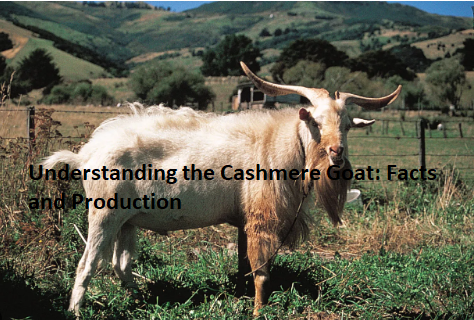
A Cashmere goat provides one of the world’s most luxurious fibers, valued for its incredible softness and natural insulating properties. Understanding the biology and husbandry requirements of these animals is essential for anyone interested in fiber production or small-scale farming.
The average cost of a healthy, registered Cashmere goat typically ranges between $300 and $800 depending on the animal’s age, lineage, and the quality of its fleece. Show-quality animals or those with proven track records for high-yield, fine-micron fiber production can often command prices exceeding $1,200.
You should expect to pay more for a goat that has been tested for fiber diameter, as producers prioritize animals that consistently yield fiber under 19 microns. Purchasing a goat solely for fiber production requires evaluating its genetic history rather than just its outward appearance.
The Biology of the Fiber
The defining feature of a Cashmere goat is its unique dual-coat system. These animals grow a coarse, outer layer called guard hair, which serves as a protective shield against the elements. Beneath this lies the soft, downy undercoat that is harvested to create high-end textiles.
This undercoat develops in response to photoperiod changes, meaning the goats grow the fiber as days shorten during the fall and winter months. The process is a natural adaptation to survive the harsh, freezing climates of the mountainous regions where these breeds originated. Once the spring arrives and daylight hours increase, the goats naturally begin to shed this winter coat.
Farmers must time the harvesting process carefully to capture the down before the goat rubs it off against trees or fences. If the fiber is not collected during this narrow window, it is lost to the environment. The quality of the final product depends entirely on the ratio of down to guard hair, with the best animals producing a high volume of fine, crimped fibers.
Geographic Origins and Adaptation
While the name suggests a direct link to the Kashmir region, the animals are actually descendants of various hardy, mountain-dwelling breeds. Historically, these goats were found across the high plateaus of Mongolia, China, and parts of Central Asia. Their survival in such extreme environments is due to the dense insulating properties of their undercoat.
Modern breeding programs have successfully introduced these animals to various climates, including parts of North America and Europe. They are surprisingly resilient creatures, capable of handling significant temperature swings provided they have access to adequate shelter during wet or stormy conditions. However, they are not suited for tropical or excessively humid environments.
The humidity can negatively impact the health of the goat’s skin and the quality of the fiber. High moisture levels often lead to matting, which makes the harvesting process difficult and reduces the value of the final harvest. Successful farmers in temperate zones often focus on keeping the animals dry throughout the winter.
Factors Affecting Fiber Quality
Fiber diameter is the primary metric used to determine the commercial value of the harvested material. The industry standard for high-quality, luxury cashmere is generally measured at 19 microns or less. A micron is a unit of measurement equal to one-millionth of a meter, and smaller numbers indicate a softer, more desirable feel.
Length is the second most important factor, as longer fibers are easier to spin into yarn without fraying or pilling. A staple length of at least 1.5 to 2 inches is preferred for commercial processing. Anything shorter than this becomes difficult to process through mechanical carding machines.
Environmental conditions also play a massive role in the final output. Goats raised in colder regions tend to produce a thicker, denser undercoat as a survival mechanism. This is why the highest-quality fiber still originates from harsh, high-altitude environments where the goats are forced to adapt to extreme cold.
Husbandry and Daily Care
Raising these animals requires a commitment to routine health checks and nutritional management. Unlike standard dairy or meat breeds, their primary output is the fiber, which is heavily influenced by the quality of their diet. They require a balanced intake of protein and minerals to grow a healthy, strong coat.
Proper parasite control is a significant challenge for any goat farmer, and these animals are no exception. Regular fecal exams are necessary to ensure that internal parasites do not impact the animal’s overall condition. If a goat is under stress or malnourished, the fiber quality will suffer immediately.
Shelter is another non-negotiable requirement for a healthy herd. They require a clean, dry, and draft-free barn to retreat to during the winter months. Exposure to constant rain or snow can cause the undercoat to become matted, which significantly lowers the market value of the harvest.
The Harvesting Process
Harvesting the down is a labor-intensive activity that usually occurs once a year during the spring molting season. There are two primary methods used to collect the fiber: combing and shearing. Combing is the traditional method and is generally preferred for producing the highest quality of clean, white fiber.
During the combing process, the farmer uses a special tool to gently pull the loose downy fibers away from the guard hair. This is a time-consuming process that requires the animal to be restrained and handled with care. The result is a much cleaner product with very little contamination from the coarse outer guard hairs.
Shearing is a faster alternative, but it often results in the collection of both the down and the guard hair together. This creates a mixed product that must be de-haired manually or by machine before it can be spun into yarn. Many small-scale producers prefer to comb their goats to avoid the complex de-hairing stage.
Comparing Production Methods
The choice between combing and shearing impacts both the time investment and the purity of the final product. The following table provides a comparison of these two primary harvesting techniques.
| Feature | Combing | Shearing |
|---|---|---|
| Time Required | High (hours per animal) | Low (minutes per animal) |
| Purity of Fiber | High (mostly down) | Low (mixed with guard hair) |
| Animal Stress | Moderate | Low |
| Equipment Needed | Specialized combs | Electric clippers |
Economic Considerations for Producers
Entering the industry as a producer requires careful planning regarding the market for raw fiber. The profit margin is often thin for those who sell raw, un-processed material directly to textile mills. Many successful farmers choose to add value to their product by processing the fiber into roving or yarn.
Small-scale production can be a profitable hobby, but scaling to a commercial level is difficult without specialized equipment. The costs associated with feed, veterinary care, and shearing labor can quickly exceed the income generated from fiber sales. Most producers find that selling breeding stock or finished goods like scarves and sweaters yields a better return than selling raw fleece.
Finding a niche market is essential for sustainability. Connecting with local fiber artists and hand-spinners can provide a more reliable income stream than competing with large-scale international suppliers. Establishing a brand based on the ethical treatment of animals and local production can also attract premium pricing.
Common Challenges in Herd Management
Raising these goats is not without its specific set of difficulties. The most frequent hurdles include:
- Predator control, particularly in areas with coyotes or stray dogs.
- Maintaining strict dietary protocols to prevent bloat and urinary calculi.
- Managing the seasonal nature of the fiber harvest, which creates a cash-flow bottleneck.
- Ensuring compliance with local zoning and agricultural regulations for livestock.
- Finding professional shearing or processing services in regions with few fiber farmers.
Each of these issues requires proactive management and a willingness to learn about animal health. For more detailed information on livestock health, you can visit the USDA Animal and Plant Health Inspection Service.
Frequently Asked Questions
Can these goats live in the United States?
Yes, they thrive in many parts of the United States, particularly in northern states or high-altitude regions where the climate is cooler. They require specific management to keep them dry and healthy during damp winters.
Are they difficult to raise compared to other breeds?
They are generally as hardy as other goat breeds, but they require more attention during the molting season. The primary difference is the focus on fiber quality, which requires a more precise diet and consistent grooming habits.
Why is the fiber so expensive?
The price reflects the labor-intensive harvesting process and the fact that each goat produces a relatively small amount of usable down each year. It takes several goats to provide enough fiber for a single sweater, driving up the cost of the raw material.
Do they require a lot of space?
While they are not as demanding as cattle, they do need adequate pasture to remain healthy. A general rule of thumb is to provide at least one acre of land for a small herd, though this depends on the quality of the forage available.
How do you tell the quality of the fleece?
Quality is determined by testing the fiber diameter in a laboratory setting. Producers look for low micron counts, consistent length, and a lack of dark or coarse guard hairs mixed into the downy undercoat.
Conclusion
The Cashmere goat is an animal of unique biological traits that allow it to produce one of the most sought-after natural fibers in the world. Successfully keeping these animals involves a deep understanding of their dietary needs, their seasonal shedding cycles, and the delicate nature of their fleece. Whether you are interested in the hobbyist side of fiber production or considering a more commercial approach, the key to success lies in prioritizing the health of the animal above all else.
By focusing on genetics, proper nutrition, and careful harvesting techniques, you can produce a high-quality product that stands out in the textile market. Engaging with local fiber guilds and fellow producers remains the best way to continue learning about the nuances of this rewarding agricultural pursuit.
