

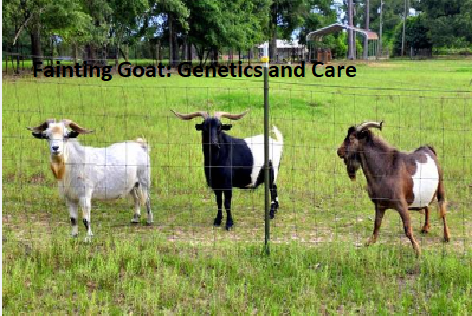
The fainting goat is a unique American breed known for a rare hereditary condition that causes its muscles to stiffen when the animal is startled. While these goats are often the subject of viral internet videos, they are functional, hardy livestock that require specific knowledge regarding their health and temperament. Understanding the reality behind the fainting goat behavior helps owners provide better care and manage their herds effectively.
The primary question many prospective owners have is what exactly causes a fainting goat to fall over. This reaction is caused by a genetic condition known as myotonia congenita.
When the goat experiences a sudden surge of adrenaline or excitement, its skeletal muscles contract and fail to relax for several seconds. The animal remains fully conscious during this time, though it may tip over because its legs become rigid rather than flexible.
The Biological Mechanism
The condition is not a true faint, as the animal does not lose consciousness or experience a neurological blackout. Instead, the chloride channels in the muscle cells do not function correctly, leading to the delayed relaxation of muscle fibers. This trait is inherited as a recessive gene, meaning both parents must carry the trait for the offspring to exhibit the classic stiffening response.
Because the condition is strictly muscular, the internal organs and cognitive functions of the animal remain completely normal. A healthy specimen will recover within five to thirty seconds once the initial startle response subsides. They quickly stand back up, shake off the tension, and resume grazing or socializing with the rest of the herd.
Typical Market Pricing
If you are looking to acquire a fainting goat, the cost varies based on pedigree, age, and location. Prices generally range from $300 to $800 for a standard pet-quality animal. Breeding stock with documented lineage or specific color patterns can command prices exceeding $1,000.
Factors such as the animal’s age and vaccination status will also impact the final price. You should always factor in additional costs like proper fencing, shelter, and regular veterinary visits. Keep in mind that these animals are herd creatures and should never be kept in isolation.
| Category | Estimated Price Range |
|---|---|
| Pet-Quality Wether | $300 – $500 |
| Registered Breeding Doe | $600 – $900 |
| High-End Show Prospect | $1,000+ |
Ethical Considerations
A common concern among the general public is whether it is cruel to intentionally startle a fainting goat to make it fall. The consensus among veterinary experts and ethical breeders is that this practice is unnecessary and potentially stressful for the animal. While the physical response is not painful, repeated triggering can lead to increased anxiety and a lack of trust toward handlers.
Responsible owners prioritize the well-being of their livestock over entertainment value. You should treat the condition as a manageable genetic trait rather than a performance feature. If you notice an animal exhibiting signs of distress beyond the temporary muscle stiffening, consult with a veterinarian to rule out other health issues.
Proper Husbandry and Care
Providing a safe environment is the most important aspect of owning this specific breed. Because they do not have the same agility as other goat breeds when startled, they are more susceptible to predators. You must ensure your pastures are equipped with high-quality, predator-proof fencing to keep them secure.
They require the same basic care as any other domestic goat, including a balanced diet and regular hoof trimming. You can find detailed information on livestock maintenance through resources like the USDA Animal and Plant Health Inspection Service. Maintaining a consistent parasite control program is also vital for the longevity of your herd.
Key Breed Characteristics
The fainting goat, often referred to as the Myotonic goat, is typically smaller and stockier than standard dairy breeds. They are known for having a calm, docile temperament that makes them popular with hobby farmers. Their manageable size and ease of handling are significant advantages for those with limited acreage.
* Docile Temperament: They are generally less flighty and easier to manage than more active dairy breeds.
* Cold Tolerance: They tend to be hardy and adapt well to various climates with proper shelter.
* Foraging Ability: Like other goats, they are excellent browsers that help manage weeds and brush on a property.
* Low Maintenance: They do not require the intense milking schedules associated with dairy breeds.
Health and Longevity
These animals are generally robust and suffer from few breed-specific health issues beyond their myotonia. Their lifespan typically ranges from 10 to 15 years with proper care and nutrition. Regular monitoring of their body condition score is essential to ensure they are not becoming underweight or obese.
Since they are prone to muscle stiffness, they should have easy access to food and water without needing to jump or climb excessively. Providing a flat, clear area for them to graze minimizes the risk of injury during a stiffening episode. Always keep their living quarters dry, as damp conditions can lead to hoof rot and other secondary infections.
Integration into a Herd
Introducing a new fainting goat to an existing group requires patience and careful observation. Because they may react differently to stress, they might be targeted by more aggressive members of a mixed herd. It is often best to keep them with other myotonic goats or with calm, non-aggressive companions.
Monitor their social interactions closely during the first few weeks of integration. If the newcomer is frequently startled by other goats, it may experience more frequent episodes of stiffening, which can lead to stress. Providing multiple feeding stations ensures that every animal gets enough to eat without having to compete aggressively.
Common Misconceptions
Many people falsely believe that these goats are “paralyzed” or that they are a separate species entirely. They are a recognized breed of domestic goat that happens to possess a specific genetic mutation. They do not have a neurological disease, and they are fully capable of normal behaviors like climbing, running, and playing.
Another myth is that the breed is dying out or is exceptionally rare. While they are not as common as commercial dairy or meat breeds, there is a dedicated community of breeders working to preserve the line. Their popularity as pets and show animals has helped maintain a stable population across the United States.
Frequently Asked Questions
What is the official name for the fainting goat?
The breed is officially known as the Myotonic goat. Other common names include the Tennessee Fainting Goat, Wooden Leg Goat, or Stiff-Legged Goat.
Is the fainting response painful for the goat?
No, the stiffening is a muscular reaction and does not involve pain. The animal remains fully conscious and aware of its surroundings throughout the entire episode.
Can these goats jump fences?
While they are less agile than other breeds, they can still jump if motivated by food or curiosity. A standard 48-inch woven wire fence is usually sufficient to contain them.
Do they faint every time they move?
No, they only exhibit the myotonic response when they are startled, surprised, or excited. In a calm environment where they feel secure, they move and act just like any other goat.
Are they suitable for small farms?
Yes, their smaller stature and manageable temperament make them an excellent choice for small acreage or hobby farms. They are often kept as pets, for 4-H projects, or for small-scale land management.
Conclusion
The fainting goat is a fascinating animal that combines unique genetics with the practical utility of a standard farm goat. By understanding the science behind their myotonia, owners can provide a safe and enriching environment that allows these animals to thrive. Whether you are interested in them for their gentle nature or their historical significance, they remain a rewarding addition to any farm.
Always prioritize the health and comfort of your animals by ensuring they have proper shelter, high-quality forage, and a stress-free living space. Researching reputable breeders and learning about their specific needs will help you avoid common pitfalls.
Owning a fainting goat is a commitment to responsible animal husbandry that offers a unique perspective on the diversity of livestock breeds. If you have the space and resources, these resilient creatures are well worth the effort.
