

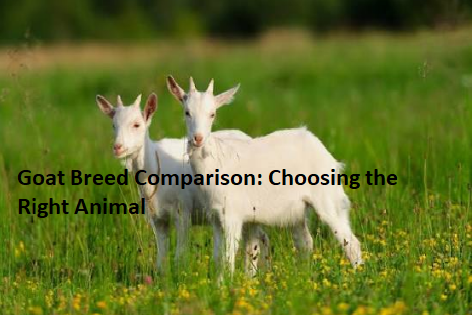
Conducting a thorough goat breed comparison is the most effective way to align your farm goals with the specific traits of different caprine varieties. Whether you are aiming for high-volume milk production, efficient meat growth, or simply seeking a manageable companion animal, understanding the nuances between breeds prevents costly mistakes.
This evaluation focuses on the physiological, temperamental, and functional differences that define the most popular breeds in modern agriculture. By examining these metrics, you can confidently select the livestock that matches your available resources and long-term objectives.
The Primary Differences Between Dairy and Meat Breeds
The most critical distinction in any goat breed comparison is the biological focus of the animal. Dairy breeds, such as the Saanen or Alpine, have been genetically selected over centuries for high milk yield and efficient feed conversion into liquid output. Conversely, meat-focused breeds like the Boer or Kiko are bred for rapid muscle development and carcass weight gain.
If your goal is milk production, you must prioritize breeds that maintain a lean body condition even while lactating. A high-production Saanen can yield upwards of 3 to 4 quarts of milk per day during her peak lactation cycle. Meat breeds, in contrast, often deposit energy into fat and muscle, resulting in lower milk production that is frequently insufficient for intensive dairy operations.
Key Characteristics of Popular Dairy Breeds
Dairy goats are typically evaluated by the volume of milk produced, the percentage of butterfat, and the length of their lactation cycle. The Nubian is widely recognized for producing milk with a high butterfat content, often ranging from 4% to 5%, which makes it ideal for cheesemaking. However, they are often less productive in total volume compared to the Swiss breeds like the Toggenburg or the Oberhasli.
The Alpine breed is favored for its ruggedness and ability to maintain consistent production levels in varied climates. They are known for their calm temperament and high milk yield, often reaching 2,000 to 2,500 pounds of milk over a standard 305-day lactation period. When comparing these, consider the total output versus the specific chemical composition of the milk required for your end products.
Meat Breeds and Growth Efficiency
Meat goat production centers on the speed at which a kid reaches market weight. The Boer goat remains the industry standard, prized for its heavy muscling, rapid growth rates, and docile nature. A well-managed Boer kid can reach a market weight of 80 to 100 pounds in approximately 6 to 8 months under optimal nutritional conditions.
Kiko goats offer a different value proposition, focusing on hardiness and parasite resistance rather than pure carcass bulk. They thrive in environments where management might be less intensive, making them a popular choice for producers who prioritize survival rates and low input costs. While they may grow slightly slower than Boers, their ability to maintain body condition on forage alone often makes them more profitable in extensive grazing systems.
Comparison of Breed Traits
The following table provides a high-level look at how different breeds compare across three primary metrics. These figures represent averages observed in typical production environments across the United States.
| Breed | Primary Purpose | Avg. Market Weight | Temperament |
|---|---|---|---|
| Boer | Meat | 120-150 lbs | Docile |
| Saanen | Dairy | 135-160 lbs | High Energy |
| Nubian | Dairy/Dual | 130-150 lbs | Vocal |
| Kiko | Meat/Hardiness | 100-130 lbs | Alert |
| Nigerian Dwarf | Dairy/Pet | 60-80 lbs | Friendly |
Considering Fiber-Producing Breeds
While dairy and meat are the most common segments, fiber production represents a specialized niche in the goat market. Angora goats are the primary breed for mohair production, requiring specific shearing schedules and nutritional management to ensure high-quality fiber growth. They are smaller than most meat breeds and possess a unique metabolism that directs protein toward hair production rather than rapid weight gain.
Cashmere goats are not a single breed but rather a classification of any goat that produces a soft undercoat. These animals require careful selection based on the micron count of their fiber, which determines the market value of the product. If you are interested in fiber, you must account for the additional labor involved in harvesting and processing raw materials compared to the relative simplicity of meat or milk production.
Temperament and Ease of Handling
Handling characteristics are often overlooked until the first time you need to administer medication or hoof care. Nigerian Dwarf goats are frequently chosen for small homesteads because of their small stature and generally friendly, manageable dispositions. Their size makes them much easier to restrain than a full-sized Alpine or Boer, which can weigh over 150 pounds.
Nubians are notoriously vocal and can be more challenging for beginners who are not accustomed to their expressive nature. While they are intelligent and bond closely with their handlers, their tendency to “complain” during milking can be overwhelming for some owners. Always spend time observing the specific herd temperament before committing to a breed, as individual bloodlines can vary significantly from the general breed standard.
Environmental Adaptability and Hardiness
Every goat breed comparison must address the reality of your local environment. Breeds like the Spanish goat are renowned for their incredible survival skills in harsh, scrub-heavy terrain where other breeds might struggle. They have evolved to browse on brush and survive on limited supplemental feeding, making them a low-maintenance option for land management.
Conversely, high-production dairy breeds often require more protection from extreme weather and consistent access to high-quality forage or grain. A heavy-milking Saanen will lose body condition rapidly if forced to forage in sparse, rocky conditions. Before selecting your animals, research the USDA Agricultural Research Service data regarding livestock adaptation to different regional climates and forage types.
Key Factors to Evaluate Before Purchasing
When you are ready to acquire your first goats, keep a checklist of non-negotiable requirements. Your specific setup will dictate which breed succeeds and which will fail to thrive.
- Available Acreage: Intensive dairy setups require less space but more infrastructure, while meat breeds may require larger pastures for rotational grazing.
- Market Access: Ensure there is a local demand for the specific product you intend to produce, whether it is high-fat milk or lean kid meat.
- Infrastructure: Consider the cost of fencing; some breeds, like the Nigerian Dwarf, require tighter, smaller-mesh fencing to prevent escape.
- Time Commitment: Dairy goats require twice-daily milking without exception, whereas meat goats allow for a more flexible schedule.
- Veterinary Access: Verify that local large-animal vets have experience with the specific breed you are considering.
Common Questions About Goat Breeds
What is the best breed of goat for a beginner?
Many experts point to the Nigerian Dwarf or the Kiko as ideal starting points. The Nigerian Dwarf is small and manageable, while the Kiko is known for its ruggedness and lack of complex medical needs. Both breeds are generally forgiving of minor management mistakes, which is helpful for those still learning the ropes of herd health.
Which goat breed is the most aggressive?
Aggression is usually an individual behavioral trait rather than a universal breed characteristic. However, intact males of any breed, often called bucks, can become territorial and potentially dangerous during the breeding season. Proper socialization and timely castration of non-breeding males are the most effective ways to maintain a docile and safe herd environment.
What are the primary differences between Nubian and Alpine goats?
Nubians are best known for their long, pendulous ears and high-butterfat milk, which is excellent for cheese production. Alpines are more athletic, generally higher-volume producers, and are often seen as more “business-like” in their dairy production. Choosing between them usually comes down to whether you prioritize milk quality and flavor or total liquid volume.
Can you mix different breeds in the same herd?
Yes, you can certainly keep different breeds together, provided they have similar nutritional requirements. You should be careful to manage breeding cycles, especially if you have a buck that could service different breeds unintentionally. If you mix dairy and meat breeds, ensure that the dairy animals are getting the higher-energy feed they need to maintain their production levels.
How long do most goat breeds live?
Most healthy, well-managed goats have an average lifespan of 10 to 15 years. Factors such as parasite control, proper mineral supplementation, and protection from predators play a significant role in longevity. Dairy breeds often have slightly shorter productive lives due to the metabolic stress of high-volume milk production compared to meat or fiber breeds.
Conclusion
Selecting the right animal is the foundation of a successful farming operation, making a structured goat breed comparison essential. By focusing on your specific goals—whether that involves high-butterfat milk, rapid weight gain, or low-maintenance land management—you can identify the breed that best fits your environment. Remember that individual health, nutrition, and management practices will always outweigh the theoretical advantages of a specific breed. Start by assessing your land and resources, then match those realities with the breed characteristics that offer the best return on your investment. Reach out to local breeders to see these animals in person, as hands-on experience remains the most valuable tool in your decision-making process.
