

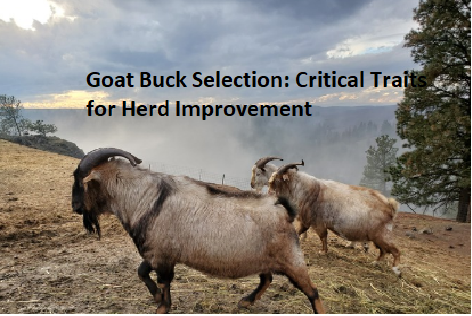
Effective goat buck selection serves as the primary engine for genetic progress in any livestock operation. By choosing the right male, a breeder can influence fifty percent of the herd’s future performance, whether the goal is milk production, meat yield, or structural durability. Understanding the specific physical and behavioral traits that signal a high-quality sire is essential for long-term success.
Focusing on sound conformation, reproductive health, and pedigree history allows producers to make informed decisions that compound over generations. This article provides the foundational knowledge required to assess potential sires, ensuring that every breeding season brings your farm closer to its production objectives while maintaining herd vitality.
The most important takeaway for any producer is that a buck must be structurally superior to the does he is being bred to. If your goal is to improve milk production, you should prioritize a buck with a pedigree that features high-producing dams and grand-dams. If you are raising meat goats, emphasize growth rates and muscle development, specifically looking for width across the loin and depth of heart girth.
Never select a buck solely based on his own appearance; always examine his siblings and parents to gauge his genetic consistency. A buck that looks excellent but lacks a strong background often produces unpredictable offspring, which can derail years of selective breeding efforts.
Evaluating Structural Soundness
Structural integrity is the bedrock of longevity in any breeding program. A buck must be able to move freely and cover ground efficiently to manage his herd, especially in larger pastures. Look closely at his legs and feet during your initial inspection.
He should walk with a straight, fluid motion, showing no signs of stiffness or abnormal joint rotation. A buck with poor leg structure will struggle to mount does, directly impacting your conception rates and the overall efficiency of your breeding season.
Check the alignment of his hocks and pasterns carefully. Ideally, he should stand square on all four legs, with pasterns that have enough flex to absorb impact but remain strong enough to support his weight. Avoid animals that are “cow-hocked,” where the hocks point inward toward each other, as this often leads to mobility issues as the animal matures.
A buck with weak feet, characterized by overgrown or misshapen hooves, will likely pass those genetic weaknesses to his kids. You want a sire that demonstrates natural balance and a sturdy, athletic frame.
Assessing Reproductive Anatomy
Reproductive health is non-negotiable when choosing a herd sire. You must physically examine the buck’s testicles to ensure they are uniform, firm, and free of any lumps or irregularities.
The scrotum should have a clear, distinct separation between the two sides, which is essential for proper temperature regulation and sperm production. A buck with a small, malformed, or asymmetrical scrotum is a significant liability, as these traits often correlate with low fertility or a short reproductive lifespan.
Measure the scrotal circumference if you have the tools, as this is a reliable indicator of his breeding capacity. A larger, well-developed scrotum in a young buck typically suggests earlier puberty and higher sperm output. Additionally, inspect the sheath for any signs of infection or injury, which can cause discomfort and inhibit his desire to breed.
A buck that is physically unable or unwilling to work due to anatomical pain will result in missed cycles and uneven kidding windows. Always ensure he has a sheath that is clean and properly attached to the body wall.
Reviewing Genetic Background
Pedigree analysis allows you to look beyond the individual animal to see his potential for passing on specific traits. Request access to registration papers or breeding records that span at least three generations.
Look for consistent performance markers in his direct lineage, such as high milk butterfat percentages or rapid weight gain at weaning. If a buck comes from a line of animals that struggled with health issues or poor temperament, those traits are likely embedded in his genetic code.
Use the following table to compare the relative importance of different selection criteria based on your primary production goal.
| Trait | Milk Production Goal | Meat Production Goal |
|---|---|---|
| Growth Rate | Moderate | High |
| Udder Conformation (of female relatives) | High | Low |
| Muscling/Frame | Low | High |
| Reproductive Soundness | Critical | Critical |
Focus on “line breeding” or “outcrossing” based on your current herd’s needs. If your herd has become too uniform or shows signs of weakness, an outcross to a different bloodline can introduce hybrid vigor.
Conversely, if you have a high-performing buck, line breeding can help fix those desirable traits within your population. Always maintain detailed records to prevent accidental inbreeding, which can lead to the expression of recessive, harmful genes.
Temperament and Handling
A buck with a poor temperament is a safety hazard that can make daily chores dangerous. During your selection process, observe how the animal reacts to human presence and other goats.
A high-quality sire should be confident and alert but not aggressive or excessively flighty. Avoid animals that show a tendency to charge or challenge handlers, as these behavioral traits are often passed down to his offspring.
Consider the long-term implications of keeping a difficult buck on your property. You will need to handle him regularly for health checks, hoof trimming, and movement between paddocks. If he is difficult to manage, you are less likely to perform these essential tasks, which compromises his welfare and your herd’s health.
Select an animal that is calm enough to be handled safely by one person. Remember that a buck’s behavior can change during the rut, so look for a consistent baseline of manageable character.
Nutrition and Body Condition
A buck’s body condition score, or BCS, provides a snapshot of his current health and nutritional status. You should aim for a buck that is in a body condition score of 3 out of 5, which indicates he is neither obese nor malnourished.
An overly fat buck may suffer from reduced fertility, as excess fat around the scrotum can interfere with sperm production. A thin buck, on the other hand, may lack the stamina needed to successfully breed a full group of does.
Consider the environment where the buck was raised compared to where he will be working. If he was raised on high-grain rations in a show barn, he might struggle to maintain condition on a forage-based pasture system. Look for animals that have proven they can thrive on the same type of feed you plan to provide.
A buck that requires expensive supplements just to keep weight on is not an economical choice for a commercial or homestead operation. Proper hydration and mineral supplementation are also vital for maintaining his peak performance during the breeding season.
Health Status and Biosecurity
Bringing a new buck onto your farm is the most common way to introduce disease into an established herd. Always demand a health certificate and verify the testing status of the herd of origin.
Specifically, ensure the animal has been tested negative for Caseous Lymphadenitis (CL), Caprine Arthritis Encephalitis (CAE), and Johne’s disease. These conditions are difficult to eradicate once they take hold in a herd and can cause long-term financial losses.
Establish a strict quarantine period for any new buck you purchase. Keep him isolated from your existing goats for at least 30 days to monitor for any signs of illness that might have been latent. Use this time to update his vaccinations and address any parasite issues through targeted deworming.
You can find more detailed information on managing herd health through the USDA Animal and Plant Health Inspection Service. Investing in these biosecurity measures protects your current animals and ensures the new buck starts his job in the best possible condition.
Determining the Ideal Ratio
The number of does a buck can handle depends on his age, his physical fitness, and the layout of your pastures. A young buck, often called a buckling, should not be expected to breed more than 10 to 15 does in his first season.
A mature, experienced buck can comfortably cover 30 to 50 does, provided he has adequate nutrition and space. Overworking a young or unconditioned buck will lead to poor conception rates and excessive weight loss.
* Young Buck (6-12 months): 10-15 does
* Mature Buck (1+ years): 30-50 does
* Pasture Breeding: 30 does per buck
* Hand Breeding: Up to 50+ does per buck
Hand breeding, where you only allow the buck to be with the doe during the actual mating, allows for more control and allows you to manage larger groups of does with a single sire. This method also protects your buck from unnecessary exertion and potential injury.
If you are using pasture breeding, ensure the buck has plenty of room to roam and that your fence lines are secure. Monitor the does closely to see who has been bred, which helps you predict your kidding dates accurately.
Common Questions About Buck Selection
How do I know if a buck is fertile?
Physical examination is the first step, but a breeding soundness exam performed by a veterinarian is the only way to confirm fertility. This exam involves collecting a semen sample to check for motility and sperm morphology.
Can I keep two bucks together?
Yes, but you must be prepared for fighting, especially during the breeding season. It is generally safer to keep them in separate pens unless they were raised together and have established a clear social hierarchy.
What is the best age to start using a buck?
Most bucklings reach puberty between 4 and 6 months of age, but it is usually best to wait until they are at least 8 to 10 months old. Starting too early can stunt their physical development and lead to long-term structural issues.
Does the buck’s color matter for production?
Color is purely aesthetic unless you are breeding for a specific breed standard or a niche market. Focus your selection on functional traits like conformation and health rather than coat pattern or color.
Why is my buck losing weight during the rut?
It is normal for a buck to lose weight during the breeding season because he is often so focused on mating that he forgets to eat. Provide high-quality forage and ensure he has plenty of energy to maintain his condition throughout the season.
Conclusion
Selecting the right sire is a foundational decision that influences every aspect of your operation. By prioritizing structural soundness, reproductive health, and a proven genetic background, you ensure that your herd gains value with every breeding cycle. Remember that a buck is an investment, not just an expense; the right animal will pay for himself through healthier, more productive offspring.
Always conduct thorough health screenings and maintain a consistent management routine once the animal arrives. Taking the time to perform diligent goat buck selection now will save you from significant headaches and lost potential in the coming years. Stay observant, keep accurate records, and continue to refine your criteria as your herd evolves.
