

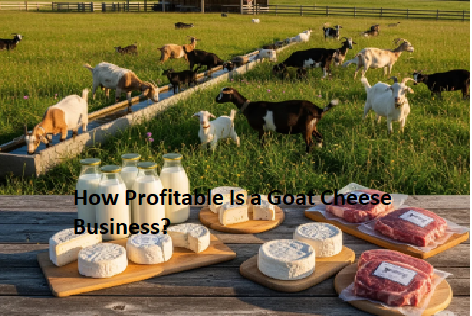
Entering the goat cheese business requires a precise balance between agricultural management and artisan food production. Producers typically see profit margins ranging from 15% to 30% depending on whether they sell wholesale or direct-to-consumer. Success in this field relies heavily on herd health, milk yield consistency, and the ability to command a premium price for specialty dairy products.
By focusing on high-value markets like farmers’ markets and boutique retailers, many small-scale operators establish sustainable revenue streams. This overview provides the essential financial and operational insights needed to evaluate if launching your own venture in this sector is a viable path for your goals.
Financial Viability and Profit Margins
The financial reality of a goat cheese business often surprises new entrants who expect immediate high returns. While the market for specialty dairy is growing, the overhead associated with animal care, feed, and regulatory compliance is significant.
Most small-scale dairies find that direct-to-consumer sales at local markets provide the highest margins, often reaching 40% or more. Wholesale distribution, while easier for volume, usually cuts those margins down to 15% to 20% because of distributor fees.
Profitability is heavily dependent on the “value-add” component of the operation. Selling raw milk is rarely profitable due to low commodity prices and strict safety regulations. Converting that milk into artisanal chèvre, feta, or aged blocks increases the price per pound significantly.
Producers can often command between $15 and $25 per pound for high-quality, handcrafted goat cheese. This price point justifies the labor-intensive process of milking, pasteurization, and aging required for a premium product.
Managing costs is the second half of the profit equation. Feed represents the largest variable expense, often accounting for 50% of total operational costs in regions without ample pasture. Efficient herd management, such as rotational grazing, can reduce these costs substantially.
Investing in high-yield dairy breeds like Saanen or Alpine goats ensures that each animal contributes positively to the bottom line. You must track every gallon of milk produced against the cost of feed and veterinary care to maintain a clear picture of your actual earnings.
Regulatory Requirements and Licensing
Navigating the legal framework of a goat cheese business is the most significant barrier to entry for new producers. Dairy production is strictly regulated in almost every jurisdiction to ensure consumer safety.
You will need to obtain a state-issued Grade A or manufacturing milk plant license. These licenses require your facility to meet specific construction standards, including stainless steel surfaces, proper drainage, and temperature-controlled storage.
The Food and Drug Administration provides comprehensive guidelines regarding preventive controls for human food that all dairy processors must follow. You must implement a Hazard Analysis and Critical Control Point (HACCP) plan.
This document details how you monitor for pathogens like Listeria or Salmonella throughout the production process. Inspections are frequent, and failure to comply with sanitation standards can lead to immediate shutdown.
Beyond the processing facility, you must also comply with local zoning laws and agricultural ordinances. Many counties restrict the number of livestock permitted on small parcels of land. You may need a conditional use permit if you plan to host farm tours or on-site sales.
Consulting with your local extension office early in the planning phase can save thousands of dollars in retrofitting costs. Never underestimate the time required to move through these bureaucratic channels before you sell your first wheel of cheese.
Herd Management and Milk Production
The heart of any successful goat cheese business is the health and productivity of the dairy herd. A goat’s lactation cycle typically lasts about 305 days, followed by a dry period.
Managing this cycle is crucial for maintaining a year-round supply of cheese for your customers. Staggering breeding schedules allows you to keep a portion of the herd in milk at all times.
Nutrition directly impacts both the quantity and quality of the milk. Goats require a balanced diet of high-quality forage, hay, and supplemental grains to maintain the butterfat content necessary for good cheese.
High-protein alfalfa is a standard staple for lactating does, providing the energy needed for high milk output. Conversely, poor nutrition can lead to low milk yields and a “goaty” flavor that may be undesirable in mild cheeses.
Veterinary care is another non-negotiable expense in this business. Regular checks for internal parasites are essential, as goats are highly susceptible to worms that can plummet production.
Maintaining a relationship with a large-animal veterinarian is vital for quick response times during kidding season. A sick herd is a non-profitable herd, so proactive health management remains the primary defense against unexpected financial losses.
Equipment and Infrastructure Needs
Building a functional creamery requires specific equipment designed for small-scale dairy production. You will need a pasteurizer, a cheese vat, stainless steel tables, and refrigeration units.
It is often wise to purchase food-grade stainless steel equipment from the start to satisfy health inspectors. Avoid using residential kitchen equipment, as it will likely not pass the rigorous standards required for a commercial license.
Storage is another critical infrastructure consideration. Different types of cheese require specific temperature and humidity levels to age correctly. A soft chèvre needs a quick turnaround and cold storage, while an aged tomme needs a climate-controlled aging room or “cave.”
Investing in high-quality refrigeration systems will prevent spoilage and ensure a consistent product. Consistency is what keeps customers coming back to a brand.
The following table illustrates the typical startup cost categories for a small-scale goat dairy operation.
| Expense Category | Estimated Start-up Range |
|---|---|
| Goat Herd (10-15 does) | $3,000 – $6,000 |
| Creamery Equipment | $10,000 – $25,000 |
| Facility Renovation | $5,000 – $20,000 |
| Licensing and Permits | $1,000 – $3,000 |
| Marketing and Packaging | $1,000 – $2,500 |
Marketing Your Artisanal Cheese
Success in the goat cheese business often comes down to effective branding and storytelling. Consumers are willing to pay a premium for products that have a clear origin and a transparent production process.
Highlighting the ethical treatment of your animals and the quality of their pasture-based diet is a powerful marketing tool. Many successful producers use social media to document the daily life of the farm, building a loyal base of followers who become customers.
Farmers’ markets are the primary testing ground for new products. They allow you to gather immediate feedback on flavor profiles and textures.
You can experiment with different herbs, fruit infusions, or aging techniques without the risk of a large-scale retail failure. Once you have a proven product, you can approach local restaurants and specialty food shops for wholesale placements.
Packaging also plays a critical role in how your product is perceived. Clean, professional labels that clearly state the farm name, ingredients, and production date are essential for retail compliance.
Many states require specific nutritional labeling if you sell through retail channels. Investing in high-quality, eco-friendly packaging can distinguish your goat cheese from cheaper, mass-produced varieties found in grocery stores.
Scaling the Operation
Scaling a goat cheese business is a delicate process that requires careful financial planning. Adding more goats increases your milk supply but also compounds the labor requirements for milking and processing.
Most small farms reach a “bottleneck” where the owner can no longer handle all the labor alone. Hiring reliable help or investing in automated milking systems are the two common paths for expansion.
Diversification is another way to scale revenue without just increasing herd size. You might consider adding value-added products like goat milk soap, lotions, or yogurt.
These products often have a longer shelf life than fresh cheese, providing a buffer against the seasonality of milk production. Selling these items alongside your cheese at markets increases the average transaction value per customer.
Carefully evaluate the demand before scaling up your production capacity. Overproducing leads to excess inventory that may spoil if you lack a cold-chain distribution network.
Use your sales data from the previous year to forecast demand for the upcoming season. Slow, organic growth is generally more sustainable than aggressive expansion fueled by debt.
Common Risks and Challenges
Operating a livestock-based business involves inherent risks that can impact your bottom line. Disease outbreaks, such as CAE (Caprine Arthritis Encephalitis) or Caseous Lymphadenitis, can devastate a herd and halt production.
You must maintain strict biosecurity protocols, including quarantining new animals before introducing them to your existing herd. Regular testing is the only way to ensure your herd remains clean and productive.
Market volatility can also impact your profitability. Feed prices fluctuate with global commodity markets, and consumer spending habits can change during economic downturns.
Diversifying your customer base between farmers’ markets, restaurants, and direct online sales helps mitigate the risk of losing one revenue stream. Keeping a cash reserve is essential to cover feed and veterinary bills during slow months.
Staffing is another recurring challenge in the agricultural sector. Finding employees who have both the patience to work with animals and the precision to handle food safety protocols is difficult.
Turnover can disrupt your production schedule and increase training costs. Offering competitive wages and a positive work environment is necessary to attract and retain skilled personnel who are committed to your farm’s success.
Frequently Asked Questions
Is it possible to make a full-time living from a small goat dairy?
Yes, it is possible, but it usually requires a herd size of at least 30 to 50 milking does and a focus on high-margin, value-added products. Many successful full-time operators also incorporate on-farm events, workshops, or agritourism to supplement their income from cheese sales.
How much space do I need for a small goat cheese business?
A small herd of 10 to 15 goats can be managed on as little as two to three acres if you use intensive rotational grazing practices. However, you will need a separate, dedicated facility for the creamery that is separate from the barn to meet health department regulations.
What is the most profitable type of goat cheese to produce?
Fresh chèvre is generally the most profitable due to its short aging time and high market demand. Aged cheeses can command higher prices, but they require significantly more time, specialized storage space, and a larger inventory investment.
Do I need to pasteurize my goat milk for cheese?
In most states, if you are selling cheese through retail channels, you are required to pasteurize your milk unless you are producing aged raw-milk cheese that meets specific, stringent safety requirements. Always check with your state’s Department of Agriculture for the specific rules governing raw milk products in your area.
How do I find a market for my goat cheese?
Start by visiting local farmers’ markets to build relationships with customers and other food producers. Once you have a customer base, approach local independent grocers, upscale restaurants, and specialty cheese shops that value locally sourced, artisanal products.
Building Your Future in Dairy
Starting a goat cheese business is a demanding venture that blends the art of cheesemaking with the rigors of animal husbandry. By maintaining a focus on high-quality milk, strict sanitary standards, and effective direct-to-consumer marketing, you can build a sustainable operation. Success is rarely overnight; it is the result of consistent herd management and careful attention to the regulatory environment.
Start small, track your production costs meticulously, and listen to the feedback from your early customers to refine your product line. As you grow, focus on efficiency and diversification to protect your margins against market shifts. If you are prepared for the hard work, this industry offers a rewarding way to connect with your community through the production of high-quality food.
