

Selecting an appropriate goat dewormer is a critical component of herd health management for any livestock owner. Parasitic infections, particularly from gastrointestinal worms like Haemonchus contortus, can cause rapid weight loss, anemia, and even mortality in small ruminants.
Understanding the specific chemical classes, dosage requirements, and the dangers of resistance is essential for maintaining a productive and healthy herd. By focusing on targeted treatment rather than blanket dosing, producers can extend the efficacy of available medications and reduce the risk of treatment failure.
The most effective goat dewormer is typically a product containing moxidectin, fenbendazole, or albendazole, though the “best” choice depends entirely on your specific farm’s resistance profile. You must consult with a veterinarian to perform a fecal egg count reduction test to determine which anthelmintic remains effective for your animals.
Never rely on a single product indefinitely, as parasites evolve rapidly to survive common chemical treatments. Rotating classes of dewormers, when done under veterinary guidance, can help slow the development of drug-resistant worm populations.
Understanding Parasite Resistance
Anthelmintic resistance is currently the greatest threat to small ruminant production worldwide. When you use a goat dewormer repeatedly, the parasites that survive the chemical exposure survive to reproduce.
These survivors pass on their resistant genetic traits to the next generation, eventually rendering that specific medication useless on your property. This biological phenomenon is irreversible once a population becomes fully resistant.
Many producers inadvertently accelerate this process by underdosing their animals. Providing less than the full, weight-appropriate dose allows weaker parasites to survive, leaving only the toughest individuals behind. Always weigh your goats on a digital scale rather than guessing their size to ensure you are administering the precise amount required for your specific goat dewormer.
Diagnostic Tools for Herd Health
Before reaching for a bottle of medication, you need to confirm that your goats actually have a parasitic load that requires intervention. The FAMACHA scoring system is a widely used method for identifying clinical anemia in goats caused by the barber pole worm. By checking the color of the mucous membranes inside the lower eyelid, you can identify which individuals need treatment.
The American Consortium for Small Ruminant Parasite Control provides detailed resources on using these diagnostic techniques correctly. Only treating animals that score a 3, 4, or 5 on the FAMACHA chart ensures that you are not wasting medication.
This practice, known as selective treatment, leaves a “refugia” of susceptible worms in the pasture. These susceptible worms help dilute the population of resistant worms, protecting the long-term effectiveness of your deworming strategy.
Common Classes of Dewormers
There are three primary classes of dewormers available for goats, though not all are labeled specifically for the species. Benzimidazoles, such as fenbendazole, work by inhibiting energy metabolism in the parasite. Macrocyclic lactones, including ivermectin and moxidectin, cause paralysis in the worms by interfering with their nervous system.
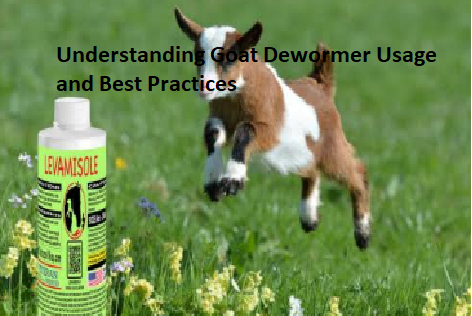
Nicotinic agonists, such as levamisole, act as a neuromuscular blocking agent. Each class has a different mode of action, which is why rotating them is often suggested by extension agents.
However, you should never rotate products without knowing if the parasites are still susceptible to them. Using a new class of drug on a population already resistant to it serves no purpose and wastes money.
Administering Medication Safely
Proper administration techniques are just as important as choosing the right chemical. Oral drenching is the most common method, as it ensures the medication reaches the rumen in the correct concentration. You should use a syringe with a dosing nozzle, placing it over the back of the tongue to prevent the animal from spitting it out.
If you are using a feed additive or a block, be aware that intake can be inconsistent. Some goats may eat too much, leading to toxicity, while others may not eat enough to reach a therapeutic level.
Always monitor your goats closely after administration for any signs of adverse reactions. Keep a detailed log of dates, weights, dosages, and the specific product used for every animal in your herd.
Environmental Management Strategies
Deworming is only one piece of the puzzle, as the majority of the parasite life cycle occurs on the pasture, not inside the goat. Larvae climb up blades of grass in moist, cool conditions, waiting to be ingested by grazing animals. By keeping your grass length above four inches, you significantly reduce the number of larvae your goats ingest.
Rotational grazing is another highly effective tool for breaking the parasite life cycle. Moving goats to a fresh paddock every three to seven days prevents them from grazing too close to the ground. This also allows the previous paddock to rest, which causes the larvae left behind to die off before the goats return.
Data Comparison of Common Products
The following table compares common anthelmintic classes used in small ruminant management. Please note that efficacy varies by region and farm-specific resistance levels.
| Class | Common Drug | Primary Target |
|---|---|---|
| Benzimidazoles | Fenbendazole | Stomach worms |
| Macrocyclic Lactones | Moxidectin | Larval stages |
| Nicotinic Agonists | Levamisole | Adult nematodes |
Common Mistakes to Avoid
Many owners make the mistake of deworming on a fixed calendar schedule regardless of the season or the health of the animal. This “blanket” approach is the fastest way to build resistance on your farm. Instead, base your treatment decisions on clinical signs like body condition scores, fecal egg counts, and FAMACHA scores.
Another frequent error is the improper storage of medication. Most chemicals are sensitive to temperature extremes and direct sunlight.
If you store your goat dewormer in a hot barn or a sunny window, the active ingredients may degrade. Always check the expiration date and store bottles in a cool, dark, and dry environment.
Essential Supplies List
To manage your herd’s parasite load effectively, you should maintain a basic kit of diagnostic and treatment supplies. Having these tools ready prevents delays when you identify an animal in need of care.
- Digital livestock scale for accurate weight calculation.
- Oral drenching syringes with marked increments.
- Fecal flotation kits for performing in-house egg counts.
- Microscope for identifying parasite eggs in fecal samples.
- Detailed health logbook or digital spreadsheet.
- FAMACHA color card for clinical anemia assessment.
Frequently Asked Questions
How often should I check my goats for parasites?
You should perform a FAMACHA check at least every two weeks during the grazing season. If you live in an area with high rainfall and warm temperatures, you may need to check them weekly.
Can I use horse dewormer on my goats?
While some horse products contain the same active ingredients, the dosages for goats are significantly higher due to their faster metabolism. You must consult a veterinarian to calculate the correct dosage, as guessing can lead to fatal underdosing or toxic overdosing.
What are the signs that my goat needs to be dewormed?
Look for bottle jaw, which is swelling under the jaw, pale gums, dull coat, and diarrhea. Weight loss and a drop in milk production are also common indicators of a heavy worm burden.
Should I deworm every new goat that arrives on the farm?
It is wise to quarantine new arrivals for at least 30 days and perform a fecal egg count. Treating them blindly can introduce resistant parasites to your property, so testing is the only way to know if they require medication.
Why is my goat still sick after deworming?
The most likely reason is that the parasites on your property are resistant to the product you used. Another possibility is that the dose was too low or the animal has an issue unrelated to parasites, such as a nutritional deficiency or a protozoal infection.
Final Perspectives
Managing parasite levels in your herd requires a commitment to observation and data-driven decision-making. By moving away from routine, indiscriminate use of a goat dewormer and toward a strategy of selective treatment and pasture management, you can keep your animals healthy for years to come. Always prioritize the longevity of your medication by using it only when absolutely necessary and ensuring you are administering the correct, weight-specific dose.
The goal is to maintain a healthy balance where the goats can tolerate a low level of parasites without suffering from clinical disease. By working closely with a local veterinarian and keeping accurate records, you protect your investment and ensure the welfare of your livestock.
If you suspect a serious outbreak, reach out to a professional immediately to discuss current resistance patterns in your area. Maintaining a healthy herd is a continuous process that rewards careful management and vigilance.
