

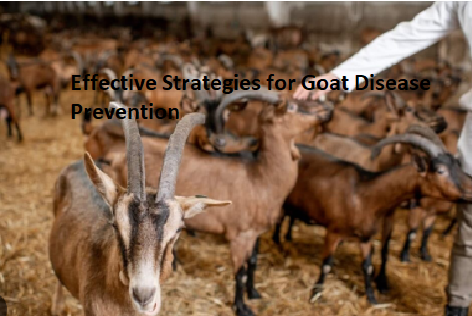
Implementing a consistent program for goat disease prevention is the single most effective way to maintain a productive and healthy herd. By focusing on biosecurity, nutrition, and timely vaccinations, you can mitigate the risks that typically threaten small ruminant operations. This approach reduces the need for expensive veterinary interventions while ensuring your animals reach their full growth or production potential.
Understanding the biological requirements of your goats allows you to anticipate challenges before they escalate into costly outbreaks. You will discover practical methods to safeguard your livestock, manage environmental stressors, and establish a long-term health protocol that keeps your farm operating smoothly throughout the year.
The core of effective goat disease prevention relies on a three-pronged approach: sanitation, vaccination, and isolation. You must prioritize the cleanliness of housing facilities, as ammonia buildup and damp bedding are primary catalysts for respiratory and hoof-related issues. Establishing a strict quarantine period for any new arrivals—typically 30 days—prevents the introduction of contagious pathogens like Caseous Lymphadenitis or Caprine Arthritis Encephalitis.
Furthermore, maintaining a documented vaccination schedule tailored to your specific geographic region is essential for building herd immunity. By addressing these foundational elements, you eliminate the most common vectors for illness and set a standard for long-term health.
Understanding Core Biosecurity Measures
Biosecurity is the first line of defense for any goat operation. It involves controlling the movement of people, animals, and equipment to prevent the entry and spread of infectious agents.
You should maintain a clean perimeter around your barn, limiting access to essential personnel only. If visitors must enter the pens, providing footbaths with a disinfectant solution can significantly reduce the risk of tracking in bacteria like Dichelobacter nodosus, which causes foot rot.
Dedicated clothing and footwear for your animal area prevent cross-contamination from other parts of the farm or external environments. If you share equipment with neighbors, ensure it is thoroughly cleaned and sanitized before it touches your pasture or barn floor.
These simple, repetitive actions create a protective bubble around your herd. While they may seem time-consuming, the cost of a single disease outbreak far outweighs the daily effort required to maintain these standards.
Optimizing Nutritional Health for Immunity
A goat’s immune system is only as strong as its nutritional intake. Deficiencies in essential minerals, particularly copper, selenium, and zinc, can leave your animals vulnerable to parasites and infections.
You should provide a high-quality, goat-specific mineral supplement free-choice at all times. Avoid using sheep minerals, as the higher copper content in goat supplements can be toxic to sheep, but is vital for goat hair coat and immune function.
High-quality forage serves as the primary energy source, but it must be kept free of mold and moisture. Storing hay in a dry, ventilated area prevents the growth of mycotoxins that can cause significant digestive distress.
During periods of cold weather or high production—such as late pregnancy or peak lactation—you may need to supplement with grain or alfalfa. Always introduce dietary changes slowly over a period of 7 to 10 days to prevent rumen acidosis, which disrupts the goat’s delicate digestive flora.
Establishing a Vaccination Schedule
Vaccination is a critical component of goat disease prevention that protects your herd against common, life-threatening conditions. The most important vaccine for goats is the CD&T, which guards against Clostridium perfringens types C and D, as well as Tetanus. You must administer this according to the manufacturer’s guidelines, typically starting with a primary series for kids followed by annual boosters for adults.
Other vaccines, such as those for pneumonia or caseous lymphadenitis, may be necessary depending on your local disease prevalence. Consult with a local large-animal veterinarian to determine the specific risks in your area.
You can find detailed veterinary guidance on core health protocols through the American Association of Small Ruminant Practitioners. Keeping accurate, dated records of every vaccination is mandatory for tracking immunity and ensuring no animal misses a booster.
Managing Internal and External Parasites
Parasite control remains one of the most significant challenges in goat husbandry. Over-reliance on chemical dewormers has led to widespread resistance, making integrated pest management essential.
You should use the FAMACHA scoring system to evaluate the anemia levels of your goats by checking the color of their lower eyelid membranes. This method allows you to target only those individuals that truly require treatment, preserving the effectiveness of your deworming agents.
Pasture rotation is another powerful tool in your arsenal. By moving goats to fresh paddocks every few weeks, you break the life cycle of common stomach worms like Haemonchus contortus.
Ensure your fences are secure to keep goats out of overgrazed areas where larval concentration is highest. Combining these strategies reduces the chemical load on your animals and the environment while promoting overall herd vigor.
Maintaining Clean Housing and Environment
Environmental management directly impacts the respiratory and hoof health of your goats. Your barns must feature excellent ventilation to prevent the buildup of moisture and ammonia, both of which predispose goats to pneumonia.
Ensure that the roof is leak-free and that the walls allow for consistent airflow without creating direct, chilling drafts. You should clean out bedding regularly, especially during damp seasons, to prevent the growth of bacteria.
The flooring in your barn should be kept dry, as goats are highly susceptible to foot scald and rot when forced to stand in mud or wet manure. Adding a layer of wood shavings or straw can provide a comfortable, absorbent surface.
If your goats are housed in a dry lot, ensure the surface is sloped to allow for proper drainage. A dry environment is a significant factor in reducing the incidence of skin conditions and parasitic infections.
Data Comparison of Common Goat Health Protocols
To effectively manage your herd, it is helpful to compare the frequency and intensity of various management tasks. The following table outlines standard health interventions for a typical goat herd, highlighting the required frequency and the primary purpose of each activity to assist in your planning.
| Task | Frequency | Primary Purpose |
|---|---|---|
| CD&T Vaccination | Annually/Bi-annually | Prevents enterotoxemia and tetanus |
| Hoof Trimming | Every 6–8 weeks | Prevents lameness and foot rot |
| FAMACHA Scoring | Every 2–4 weeks | Monitors parasite load |
| Mineral Supplement | Daily (free choice) | Supports immune function |
| Barn Sanitation | Weekly/Bi-weekly | Reduces pathogen load |
Recognizing Early Symptoms of Illness
Early detection is often the difference between a minor setback and a herd-wide catastrophe. You must observe your goats daily to establish a baseline for their normal behavior, appetite, and energy levels.
A goat that stands apart from the herd, stops chewing its cud, or shows a tucked-up abdomen is likely experiencing distress. Fever, coughing, or nasal discharge are clear indicators that medical intervention is required.
Keep a basic health kit on hand at all times to address emergencies as they arise. This kit should include a digital thermometer, electrolyte supplements, antiseptic spray, and a variety of bandage materials.
Knowing how to take a goat’s temperature—which should be between 101.5°F and 103.5°F—is a fundamental skill for any owner. When in doubt, contact your veterinarian immediately rather than waiting for symptoms to worsen.
Developing a Herd Health Plan
A formal herd health plan acts as a roadmap for your management decisions throughout the year. Your plan should document the specific dates for breeding, kidding, weaning, and routine health checks.
By scheduling these events in advance, you minimize the stress on your animals, which is a known trigger for disease. You should also include a list of emergency contacts, including your veterinarian and local animal diagnostic labs.
Consistency is the hallmark of a successful operation. Whether you are managing a small homestead flock or a commercial dairy operation, the principles of cleanliness and preventative care remain the same.
Review your plan annually to reflect changes in your herd size or the specific health challenges you encountered during the previous year. This proactive stance ensures that you are always prepared to protect your investment and maintain the welfare of your animals.
Frequently Asked Questions
What is the most common reason for goat illness?
The most common cause of illness in goats is a combination of poor ventilation and inadequate parasite management. When goats are confined in damp, poorly ventilated areas, their respiratory health declines rapidly. Simultaneously, an uncontrolled parasite burden weakens their immune system, making them susceptible to secondary infections.
Should I use apple cider vinegar for my goats?
Many goat owners add apple cider vinegar to water troughs to help balance the pH of the rumen and support digestion. While it is not a cure for serious diseases, it can act as a mild tonic that encourages water intake. Always ensure it is diluted properly and does not deter the goats from drinking.
How often should I trim goat hooves?
You should typically trim goat hooves every 6 to 8 weeks, depending on the terrain and the individual goat’s growth rate. Goats kept on hard, rocky surfaces may require less frequent trimming than those on soft pastures. Regular maintenance prevents the hoof from folding over, which can trap mud and bacteria.
What are the signs of a zinc deficiency?
Signs of zinc deficiency in goats often include a rough, dry hair coat, patches of hair loss, and thickened, scaly skin around the eyes and ears. You may also observe poor hoof development or reproductive issues. Providing a high-quality, balanced mineral mix usually corrects these symptoms over time.
Can I vaccinate a pregnant goat?
Yes, you can and should vaccinate pregnant does, usually 3 to 4 weeks before their expected kidding date. This ensures that the doe develops high levels of antibodies, which are then passed to the kids through the colostrum. This passive immunity is vital for protecting newborns during their first few weeks of life.
Key Considerations for Ongoing Herd Health
Maintaining a healthy herd requires constant vigilance, but the rewards of high production and animal longevity are well worth the effort. By focusing on the fundamentals of goat disease prevention—cleanliness, nutrition, and proactive vaccination—you build a resilient system that can withstand most common challenges. Remember that your role is to provide the environment and resources necessary for the goats to thrive naturally.
Always treat your animals with care and observe their behaviors closely, as they will often signal their needs long before a clinical diagnosis is necessary. If you remain consistent with your record-keeping and sanitation protocols, you will find that the frequency of health issues drops significantly over time.
Establishing a professional relationship with a large-animal veterinarian will provide you with the support you need to handle complex situations with confidence. Start by auditing your current barn conditions and mineral program, then adjust your practices to create the safest environment possible for your goats.
