

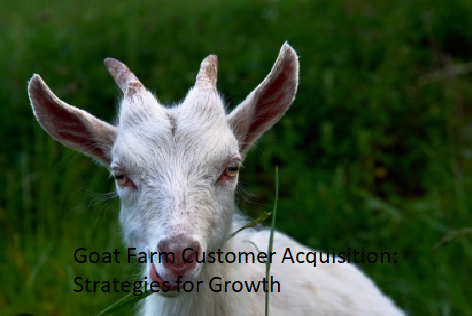
Mastering goat farm customer acquisition requires a shift from traditional livestock auctions to direct-to-consumer relationships. While many farmers rely on commodity markets, building a loyal base of private buyers often leads to higher profit margins and more stable cash flow.
By focusing on niche markets like ethnic specialty meat, high-quality goat milk products, or artisanal fiber, you can move away from price-taking behavior. This article explores how to identify your ideal buyer, leverage local networks, and build a brand that sustains long-term growth in the agricultural sector.
Immediate Profit Realities
The most common question regarding profit is how much a goat farmer actually makes. According to data from the United States Department of Agriculture, net profit margins for small-scale goat operations typically range between 10% and 20% of gross revenue, depending heavily on whether you sell live animals at auction or process them for direct retail.
Selling live animals at a standard sale barn often results in the lowest possible price point due to middleman fees and transport costs. Conversely, selling directly to a consumer or a specialty butcher can increase your per-head revenue by 30% to 50%.
Identifying Your Ideal Buyer
Goat farm customer acquisition starts by defining exactly who wants your specific product. Many farmers make the mistake of trying to sell to everyone, which dilutes their marketing efforts. Instead, categorize your prospective customers into three primary segments: ethnic holiday buyers, health-conscious retail consumers, and niche artisanal producers.
Ethnic markets, particularly for goat meat or “chevon,” often prioritize specific weights, ages, and breeds that standard auction houses ignore. By connecting with these communities, you can command a premium price for animals that meet their cultural requirements.
Developing a Local Marketing Presence
Local visibility remains the most effective tool for small-scale livestock businesses. You should attend farmers’ markets not just to sell product, but to gather email addresses and contact information from interested locals. Use a simple sign-up sheet or a QR code at your booth to capture leads.
Once you have a list, send a monthly newsletter detailing your upcoming harvest dates or available breeding stock. This keeps your farm top-of-mind when customers are ready to purchase, removing the need for constant cold-calling or reliance on third-party brokers.
Leveraging Digital Platforms
Social media serves as a powerful, low-cost engine for agricultural brand building. Platforms like Facebook and Instagram allow you to showcase the welfare and quality of your herd, which justifies higher price points. Post photos of your kidding season, grazing practices, and the clean environment where your animals live.
Transparency is a massive selling point for modern consumers who are increasingly skeptical of industrial food systems. Use these platforms to announce product availability, such as seasonal milk shares or upcoming meat bundles, directly to your followers.
Understanding Market Comparison
Different sales channels offer varying levels of control over your final price. The following table highlights the typical trade-offs between common goat farm sales methods.
| Channel | Control Over Price | Effort Required | Margin Potential |
|---|---|---|---|
| Local Auction | None | Low | Low |
| Direct-to-Consumer | High | High | High |
| Specialty Butchers | Moderate | Moderate | Moderate |
| Private Treaty Sales | High | Low |
Building Repeat Business
Customer acquisition is only half the battle; retention is what makes a farm profitable. Offer a “farm share” or subscription model for your dairy or meat products to ensure recurring income. When a customer commits to purchasing a set amount of product over a six-month period, you gain predictable cash flow.
This model also builds a sense of community, as subscribers feel invested in the farm’s success. Provide these loyal customers with early access to new products or discounts on bulk orders to encourage long-term commitment.
Optimizing for Specific Niche Needs
If you are raising goats for land clearing, your customer acquisition strategy shifts toward commercial property owners and municipalities. You are selling a service rather than a product, which requires a different pitch. Focus your marketing on the environmental benefits of using goats, such as the elimination of chemical herbicides and the reduction of wildfire risk.
Create a professional portfolio showing “before and after” photos of jobs you have completed. This visual proof is often more persuasive than any written description of your services.
Key Milestones for Growth
When scaling your operation, you must track specific performance indicators to ensure you aren’t growing too fast or losing money. Consider these essential steps for managing your customer base:
- Establish a CRM system to track purchase history and contact preferences.
- Create a seasonal calendar that aligns your product availability with peak demand.
- Develop a referral program where existing clients get discounts for bringing in new buyers.
- Standardize your pricing structure to avoid confusion during the negotiation phase.
- Network with local chefs to secure long-term contracts for high-quality meat or dairy.
The Role of Networking
Professional networking within the agricultural community often uncovers opportunities that aren’t advertised. Join local farming cooperatives or breed-specific associations to build relationships with other producers. Sometimes, a larger farm will have more orders than they can fill and will happily refer their overflow customers to you.
Building these partnerships requires a reputation for consistency and quality. If you consistently deliver healthy animals or high-quality products, other farmers will view you as a reliable partner rather than just a competitor.
Managing Customer Expectations
Honesty about your production timeline is vital for long-term reputation management. Never promise a delivery date that you cannot meet, especially when dealing with live animals or perishable goods. If a kidding season is delayed or a specific batch of meat takes longer to process, communicate this clearly and early.
Customers are much more likely to remain loyal if they feel they are being treated with respect and transparency. A reputation for reliability is your most valuable asset in the competitive livestock market.
Addressing Common Questions
How many acres do you need to raise 100 goats?
Generally, you can sustain 6 to 10 goats per acre of high-quality, well-managed pasture, meaning you need roughly 10 to 15 acres for a herd of 100. This number fluctuates wildly based on your soil quality, the type of forage available, and whether you are supplementing with hay.
What is the most profitable breed for a small farm?
Profitability is tied more to the local market than the breed itself, but Kiko and Boer goats are widely sought for meat production due to their rapid growth rates. If you are focusing on milk, Alpine and Nubian breeds are standard for high-volume, high-quality production.
Is selling goat milk legal everywhere?
Laws regarding raw milk sales vary significantly by state and country, often involving strict licensing and testing requirements. You must consult your local department of agriculture before advertising milk products, as non-compliance can lead to severe fines or business closure.
How do I handle the logistics of direct-to-consumer meat sales?
You must work with a USDA-inspected slaughterhouse if you intend to sell individual cuts of meat to the public. Many farmers use a “sale by the hanging weight” model, where the customer pays for the animal while it is still alive and then pays the processor directly for the custom cutting and wrapping.
How often should I market my farm?
Marketing should be a year-round activity, even when your products are out of season. Keep your audience engaged by sharing updates on farm life, animal health, and upcoming plans, which ensures that when your product is ready, your customers are already prepared to buy.
Conclusion
Successful goat farm customer acquisition relies on moving beyond passive sales methods and embracing direct connections with your target audience. By clearly identifying the specific needs of your market, whether it be ethnic communities, health-conscious families, or commercial property managers, you create a sustainable path to profitability. Use digital tools to build your brand and focus heavily on retention strategies that turn one-time buyers into long-term subscribers.
As you grow, maintain the quality and transparency that set you apart from commodity-level operations. Start by refining your messaging today and focus on building relationships that will sustain your farm for years to come. Your commitment to consistent, high-quality service will ultimately be the deciding factor in your long-term success.
