

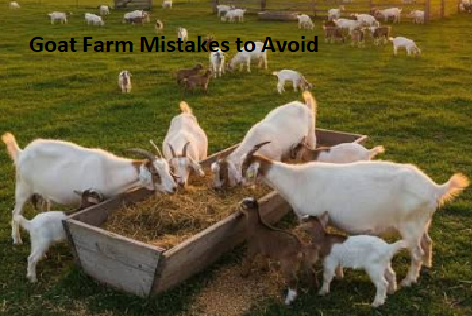
Navigating the complexities of livestock production requires careful planning, as many common goat farm mistakes to avoid can quickly compromise your herd’s health and your bottom line. Success in this industry demands more than just passion; it requires strict adherence to biosecurity, nutritional science, and financial discipline. By identifying these pitfalls early, you can protect your investment and ensure the long-term viability of your operation.
The most critical error new producers face is underestimating the importance of internal parasite control, which remains the leading cause of morbidity in small ruminants. Failing to implement a FAMACHA scoring system or relying solely on chemical dewormers often leads to rapid resistance.
This mistake frequently results in high mortality rates, particularly among kids and yearlings. Proper management of pasture rotation and fecal egg counts is the only way to mitigate this risk effectively.
Inadequate Fencing and Predator Control
Goats are notoriously clever escape artists that view standard fencing as a mere suggestion. Many farmers fail because they use improper materials, such as standard cattle wire, which allows goats to push through or crawl under. You must invest in high-tensile woven wire or electric fencing with at least five strands to keep your herd contained.
Predators represent an immediate threat to your farm’s survival, especially in rural areas with coyotes or stray dogs. A single night of neglect can lead to the loss of your entire kidding crop. Relying solely on perimeter fencing is rarely sufficient to stop determined predators from entering your property.
Implementing a multi-layered defense strategy is essential for protecting your livestock. Guardian animals, such as Great Pyrenees or Anatolian Shepherds, provide a level of security that passive barriers simply cannot match. You should also consider automatic locking mechanisms for night pens to prevent nocturnal attacks.
Nutritional Deficiencies and Toxic Forage
Feeding goats is not as simple as throwing hay into a trough. Many beginners assume that goats can “eat anything,” which is a dangerous myth that leads to severe health issues. Goats are browsers, not grazers, meaning they thrive on a diverse diet of brush, weeds, and high-quality forage.
A common dietary mistake is failing to provide a balanced mineral supplement specifically formulated for goats. Sheep minerals often contain copper levels that are toxic to goats, while cattle minerals may lack the necessary selenium or zinc. Without proper supplementation, you will see issues like poor hoof health, stunted growth, and reproductive failure.
You must also be vigilant about toxic plants that might exist in your pasture. Common garden plants like azaleas, rhododendrons, and foxgloves can be lethal if ingested in small quantities. Always perform a site walk-through before turning your herd into a new paddock to identify and remove these hazards.
Mismanaging the Kidding Season
The kidding season is the most stressful time on any farm, and lack of preparation is a recipe for disaster. Many breeders fail to have a dedicated kidding kit ready, leading to panic when complications arise during a birth. You should have sterile gloves, iodine, a suction bulb, and colostrum replacer on hand long before the first doe is due.
Tracking breeding dates accurately is essential for predicting when your does will deliver. Without a detailed calendar, you might end up with does kidding in the middle of a winter storm without adequate shelter. Hypothermia is a major cause of death in newborn kids, and it is almost always preventable with proper timing.
Ensure that your barn or kidding stall is draft-free and dry. Newborns have very little energy reserves, and even a mild cold snap can be fatal within hours. Monitor your does closely in the days leading up to birth for signs like udder development and loosening of the ligaments.
Neglecting Herd Health Records
Running a profitable farm requires keeping detailed records for every animal in your herd. Many farmers rely on memory, which inevitably fails when you are managing more than a handful of goats. You should track birth dates, medical treatments, weight gains, and breeding history for every individual.
Without these records, it is impossible to identify which animals are actually profitable and which are merely “boarders” eating your profits. You might find yourself keeping a doe that consistently produces low-quality milk or struggles with kidding issues. Culling decisions should be based on objective data rather than emotional attachment to specific animals.
Consider using a digital management tool or a simple spreadsheet to maintain these statistics. The following table illustrates the typical metrics you should be tracking for each doe to ensure the long-term health and productivity of your farm.
| Metric | Purpose | Frequency |
|---|---|---|
| FAMACHA Score | Parasite management | Monthly |
| Body Condition Score | Nutritional status | Quarterly |
| Milk Yield/Kidding Rate | Profitability analysis | Per lactation |
| Weight Gain | Growth tracking | Bi-annually |
Financial Planning and Budgeting Errors
Underestimating the startup and operational costs is a classic mistake that leads to many farms folding within the first two years. You must account for variable costs like feed, vet bills, and supplemental minerals. Many new owners focus on the price of the goats themselves but ignore the massive overhead of infrastructure maintenance.
It is helpful to categorize your expenses to understand exactly where your capital is going. Use this list as a starting point for your budget:
- Infrastructure costs including fencing, barns, and water troughs.
- Emergency veterinary reserves for unexpected illness or surgery.
- Quality hay and grain supplies for winter months.
- Annual vaccination and deworming protocols.
- Transportation costs for taking animals to market or shows.
- Registration and membership fees for breed associations.
Avoid over-investing in expensive equipment before you have established a consistent income stream. You can often repurpose existing farm buildings to save on construction costs. Focus your initial investment on high-quality breeding stock that will improve your herd’s genetics over time.
Ignoring Biosecurity Protocols
Introducing new animals to your herd without a quarantine period is one of the most common ways to bring disease onto your property. Caseous Lymphadenitis (CL) and Caprine Arthritis Encephalitis (CAE) are highly contagious and can devastate a clean herd. You should keep any new animal in a separate pasture or barn for at least 30 days.
During this quarantine, perform a thorough physical examination and run blood tests if possible. It is much cheaper to pay for a vet visit or a lab test than to deal with a chronic, incurable infection that spreads to your healthy stock. Never assume that a seller’s word is enough to guarantee an animal’s health status.
Visitors can also inadvertently bring pathogens onto your farm via their boots or clothing. If you have a high-value herd, keep footbaths at the entrance of your barns. Limiting direct contact between visitors and your animals reduces the risk of accidental disease transmission.
Failure to Manage Pasture Quality
Overgrazing is a subtle but destructive mistake that ruins the soil and forces you to spend more on purchased feed. If you keep too many goats on a small piece of land, they will eventually strip the vegetation down to the dirt. This exposes the soil to erosion and creates a perfect environment for parasite larvae to thrive.
Implement a rotational grazing system to allow your pastures time to recover. By moving your goats to a new paddock every week, you break the life cycle of many internal parasites. This method also ensures that your goats are always getting the most nutritious, high-protein growth.
For more information on managing land for small ruminants, you can consult the resources provided by the United States Department of Agriculture regarding sustainable livestock production. Maintaining healthy soil is the foundation of a healthy herd. Invest in soil testing to see if your pastures need lime or specific nutrients to support better forage growth.
Frequently Asked Questions
What is the most effective way to prevent internal parasites in goats?
The most effective approach is a combination of rotational grazing and targeted deworming based on FAMACHA scores. By moving goats to clean pasture frequently and only treating the animals that show clinical signs of anemia, you slow the development of drug-resistant parasites.
Why is baking soda provided to goats?
Goats often have sensitive digestive systems and may suffer from rumen acidosis if they consume too much grain. Providing free-choice baking soda helps them regulate their rumen pH, which can prevent bloat and other digestive upsets.
What should never be fed to goats?
Avoid feeding goats anything moldy, as it can cause listeriosis. Additionally, keep them away from household scraps like onions, chocolate, or caffeine, and never feed them plants known to be toxic, such as nightshades or wilted cherry leaves.
What is the most difficult aspect of raising goats?
Most farmers cite parasite management and the high level of vigilance required during the kidding season as the most challenging aspects. Keeping a herd healthy requires daily observation and a proactive, rather than reactive, approach to animal husbandry.
How often should I vaccinate my goats?
A standard protocol includes a CD&T vaccine (Clostridium perfringens types C and D, and Tetanus) given to kids at 8, 12, and 16 weeks, with an annual booster for adults. Your local veterinarian may suggest additional vaccines based on the specific disease prevalence in your region.
Final Thoughts on Farm Success
Avoiding these common pitfalls requires a commitment to continuous learning and careful observation. Success is rarely the result of a single brilliant move, but rather the cumulative effect of consistent, small improvements in your daily management. By focusing on biosecurity, nutrition, and financial oversight, you position your farm to withstand the inevitable challenges of livestock production.
Always remember that the health of your goats is the primary driver of your farm’s productivity. When you prioritize the animals’ needs, you minimize the risk of costly emergencies and maximize your potential for growth.
If you are diligent about avoiding these goat farm mistakes, you will find that the rewards of raising a healthy, productive herd are well worth the effort. Stay curious, keep your records updated, and never hesitate to consult with local professionals when you encounter a problem you cannot solve alone.
