

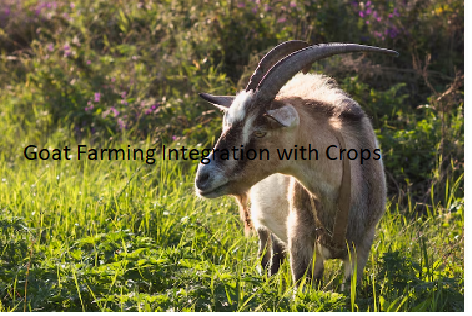
Executing goat farming integration with crops effectively transforms a standard agricultural plot into a self-sustaining ecosystem that boosts profitability. By allowing goats to graze on cover crops or crop residues, farmers can significantly reduce feed costs while simultaneously improving soil fertility through natural manure application. This dual-purpose strategy requires careful planning, as the browsing habits of goats differ from sheep or cattle.
When implemented correctly, this approach stabilizes farm income by diversifying revenue streams between livestock products and harvested produce. You will learn here how to balance these two sectors to maximize your land’s output without compromising soil health or animal welfare.
Farmers typically need approximately 5 to 10 acres of well-managed pasture to maintain a herd of 100 goats, though this varies based on soil quality and forage availability. In an integrated system, you can reduce this land requirement by incorporating crop residues and cover crops into the rotation. When you graze goats on harvested fields, they consume leftover stalks and weeds, which acts as a natural weeding process for the next planting cycle.
This synergy reduces the need for synthetic herbicides and chemical fertilizers. By managing the stocking density carefully, you prevent overgrazing, which is the most common pitfall in high-density integrated systems.
Soil Fertility and Nutrient Cycling
Goat manure serves as an exceptionally potent organic fertilizer, rich in nitrogen, phosphorus, and potassium. Unlike synthetic fertilizers that may wash away during heavy rain, goat manure releases nutrients slowly as it breaks down into the soil. When you integrate goats into a crop rotation, the animals distribute this organic matter evenly across the field as they graze.
This eliminates the labor-intensive process of hauling and spreading compost manually. You essentially turn your herd into a mobile fertilizing unit that works for free while it feeds.
The key to success lies in timing the grazing sessions to coincide with the post-harvest phase of your crops. By allowing goats onto a field immediately after a corn or legume harvest, you ensure they consume the high-nutrient residues before they decay or become harborages for pests. Their hooves also help incorporate organic matter into the topsoil, improving overall soil structure and water retention.
Over time, this practice leads to a measurable increase in soil organic carbon levels. Studies from agricultural extension services indicate that farms utilizing integrated livestock cycles often report a 15% to 20% reduction in total fertilizer costs within three years.
Optimizing Crop Residue Utilization
Crop residues such as corn stover, wheat straw, and bean stubble often represent a wasted resource on conventional farms. Goats are natural browsers that prefer shrubs, weeds, and woody materials, making them ideal for clearing these residues.
They turn low-quality agricultural byproducts into high-value protein in the form of meat or milk. This conversion efficiency is a cornerstone of sustainable agriculture, as it adds value to items that would otherwise be tilled into the ground or burned.
To maximize this, you must ensure that the residues are free from toxic herbicide residues that could affect your herd’s health. Testing your soil and plant tissue for chemical buildup is a necessary step before introducing livestock to a new field. Some farmers use temporary electric fencing to strip-graze their fields, forcing the goats to consume specific areas before moving them along.
This controlled movement prevents the animals from picking only the best parts of the forage, ensuring the entire field is grazed uniformly. You can find detailed technical resources on safe grazing practices through the Food and Agriculture Organization of the United Nations regarding small ruminant management.
Economic Diversification and Risk Management
Relying solely on crop production exposes a farm to the volatility of global commodity prices and unpredictable weather patterns. Introducing goats into the operation provides a consistent cash flow that is often decoupled from grain market cycles. While crop revenue arrives in seasonal bursts, goat farming provides regular income through the sale of meat, milk, or breeding stock.
This liquidity helps maintain farm operations during the lean months between harvests. Diversification essentially acts as an insurance policy against a bad crop year.
The following table illustrates the typical distribution of income sources for a diversified small-scale farm:
| Revenue Source | Seasonality | Revenue Contribution |
|---|---|---|
| Grain Crops | Annual Harvest | 45% |
| Goat Meat/Milk | Year-Round | 35% |
| Manure/Compost | Quarterly | 10% |
| Breeding Stock | Seasonal | 10% |
Managing Parasite Loads in Integrated Systems
One of the primary challenges in goat farming integration with crops is the management of internal parasites, particularly barber pole worms. Goats are highly susceptible to worms when they graze on short, contaminated pastures. By rotating goats through crop fields, you break the life cycle of these parasites.
The time required for crops to grow or for a field to sit fallow gives parasite larvae time to die off naturally. This creates a “clean” grazing environment that reduces the need for expensive chemical dewormers.
You should implement a strict rotation schedule that keeps goats off a specific plot for at least 30 to 45 days. During this rest period, the sun and dry conditions help sanitize the field. If you notice a spike in parasite counts, you can use the crop rotation schedule to your advantage by planting crops that require intensive tillage, which further disrupts the parasite habitat.
Monitoring your herd’s FAMACHA score—a system for checking eyelid color to detect anemia—is a vital task for any integrated farmer. Proactive management ensures your herd stays healthy without relying on medications that might leave residues in your milk or meat.
Infrastructure Requirements for Success
Integration requires more than just moving animals between fields; it demands a flexible infrastructure. You will need portable electric netting, which is easy to set up and move as the grazing rotation progresses. A reliable, mobile water system is equally important, as goats require clean water to remain productive and healthy.
Setting up a mobile shade structure also protects the animals during the heat of the day, especially in open crop fields with little natural cover. These investments pay for themselves by allowing you to utilize every acre of your farm effectively.
Consider the following essential assets for an integrated operation:
-
- Portable solar-powered electric fencing units for field division.
-
- Lightweight, towed water troughs that can be moved with a small tractor.
-
- A centralized handling facility for vaccinations and health checks.
-
- Storage capacity for winter feed to supplement the herd when crops are in the ground.
-
- A reliable transport trailer for moving animals between distant plots.
The Role of Cover Crops in Herd Nutrition
Planting cover crops specifically for your goats creates a high-quality food source that fills the gaps in traditional forage. Forages like clover, vetch, and forage brassicas provide essential protein and minerals during times when grass is scarce. Goats thrive on this diverse diet, which translates into better weight gain and higher milk production.
Integrating these crops into your rotation also protects the soil from erosion and builds organic matter. You are effectively feeding the soil and the herd simultaneously.
The cost of planting cover crops is often offset by the reduction in purchased hay or grain. By selecting drought-resistant varieties, you can ensure that your goats have access to green forage even in the middle of a dry summer. Many farmers have found that planting a diverse mix of cover crops—rather than a monoculture—reduces the risk of crop failure.
This diversity also ensures that the goats receive a balanced nutritional profile, reducing the need for expensive mineral supplements. Always consult with local agricultural experts to choose the best cover crop species for your specific climate and soil type.
Legal and Environmental Considerations
Before you begin, you must verify local zoning laws and environmental regulations regarding livestock on crop land. Some regions have strict rules about manure management and proximity to water sources to prevent runoff. You may be required to maintain a buffer zone between grazing areas and riparian zones to protect local water quality.
Maintaining proper records of your grazing rotation and manure application will help you comply with these regulations. Being a good steward of the land is not just an ethical choice; it is a legal requirement in most jurisdictions.
Furthermore, you must consider the impact of your livestock on neighboring properties. Stray goats can cause significant damage to nearby crops, leading to liability issues and strained relationships with neighbors. Always prioritize the security of your fencing and ensure your goats are well-fed so they have no incentive to wander.
Providing adequate nutrition within your planned grazing areas is the best way to keep your animals content and contained. Engagement with your local agricultural board can provide you with specific guidelines for your region.
FAQ: Common Questions About Integrated Systems
How do I prevent goats from eating my cash crops?
The most effective method is to only introduce goats into fields after the harvest is complete. Use high-visibility electric fencing to clearly delineate the grazing area and keep animals away from standing crops. If you are practicing silvopasture, you may need to install tree guards to protect young plants from being debarked by the goats.
Is it profitable to raise goats on small acreage?
Yes, integration allows you to maximize the value of every square foot of land. By eliminating the need for synthetic inputs and reducing feed costs, you can achieve a higher profit margin than a monoculture operation. Many small-scale farmers find that selling direct-to-consumer adds a significant premium to their products.
What is the biggest risk in goat farming integration with crops?
The biggest risk is the mismanagement of parasite loads and the potential for crop damage if fencing fails. You must have a robust plan for deworming and a reliable, high-quality fencing system to mitigate these issues. Regular observation of both the soil and the animals is essential to catch problems before they become crises.
Can I integrate goats with organic crop production?
Absolutely, and many organic farmers prefer this method because it provides a sustainable source of fertility without synthetic inputs. You must ensure that your animals are not treated with prohibited substances if you intend to sell your crops as certified organic. Check your local organic certification standards for specific requirements regarding livestock integration.
How do I start with my first rotation?
Start small by using a single paddock or one section of a harvested field. Use temporary fencing to monitor how your goats interact with the residues and how the soil responds to their presence. Once you understand the speed at which your herd consumes the available forage, you can scale up the rotation to include more fields.
Moving Forward with Your Integrated Farm
Successful goat farming integration with crops relies on your ability to observe the land and respond to its needs. This system is dynamic, requiring you to adjust your grazing schedules based on weather, crop maturity, and herd health.
By prioritizing soil health and animal welfare, you create a resilient farming model that can withstand economic and environmental pressures. You will find that the synergy between livestock and crops produces a healthier farm environment and a more consistent bottom line.
Start by mapping out your current crop rotation and identifying where you can include a grazing phase. Reach out to local agricultural extension offices or neighboring farmers who have successfully implemented these systems to gain localized insights.
Every farm is different, and your specific soil type and climate will dictate the best varieties of crops and forage for your needs. Take the time to monitor your results, adjust your practices, and embrace the long-term benefits of a truly integrated agricultural operation.
