

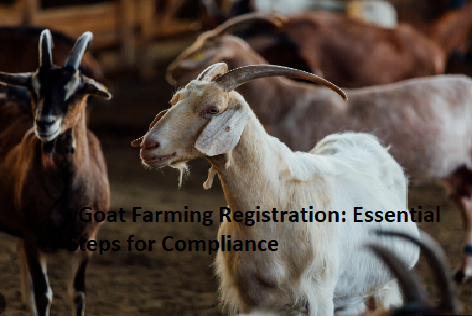
Getting your goat farming registration sorted is the first step toward building a legitimate, scalable agricultural business. Whether you are planning to sell milk, meat, or fiber, official documentation provides the legal framework required to operate in your local jurisdiction.
By securing your status with the appropriate agricultural departments, you gain access to government grants, veterinary support, and the ability to participate in official livestock markets. This process ensures your herd is traceable, which is a critical component of modern food safety and disease control standards.
The cost of your goat farming registration varies significantly based on your location and the scale of your operation. In many regions, the basic administrative fee for registering a premises or a herd identifier ranges from $25 to $150. Some states or provinces offer free registration, while others require a yearly renewal fee to keep your status active.
Beyond the flat registration cost, you may need to invest in official ear tags or microchips, which typically cost between $1 and $4 per animal. If you are operating a commercial dairy, expect to pay additional licensing fees that cover health inspections and milk quality testing, which can run upwards of $300 annually.
Understanding Premises Identification
The foundation of goat farming registration is the Premises Identification Number (PIN). This unique identifier links your physical location to the livestock kept on the property, allowing authorities to trace animals during disease outbreaks.
Most agricultural departments require this registration regardless of herd size, even if you only keep a small number of goats for personal use. You can typically apply for a PIN through your state’s Department of Agriculture or the national livestock board.
Once you have received your PIN, you are required to keep it on file for all movement records and health certifications. This number is not just a bureaucratic requirement; it acts as your primary asset in the event of a regional health emergency.
If a contagious disease enters your area, having your premises registered ensures you receive timely notifications and guidance from veterinary officials. This proactive approach protects your investment and ensures the long-term viability of your farm.
Managing Herd Traceability Standards
Modern livestock management relies heavily on the ability to track individual animals from birth to market. Each goat must be uniquely identified to comply with national traceability programs, which often mandate specific types of ear tags.
These tags must be officially approved and carry a unique number that corresponds to your farm’s registered identification. You should maintain a detailed logbook or digital database that tracks the purchase, birth, movement, and sale of every individual animal in your herd.
The United States Department of Agriculture (USDA) provides extensive resources on the importance of maintaining proper animal identification for disease prevention. By adhering to these standards, you demonstrate a commitment to biosecurity that buyers and auction houses respect.
Consistent record-keeping simplifies the process of obtaining health certificates, which are mandatory if you plan to transport your goats across state lines. Accurate data entry saves you significant time during annual audits or when applying for agricultural subsidies.
Compliance with Zoning and Land Use
Before you finalize your goat farming registration, you must confirm that your property is zoned for livestock. Many suburban or semi-rural areas have strict regulations regarding the number of animals allowed per acre.
You should check with your local municipal office or county planning department to review the specific ordinances for your parcel. Failure to verify zoning can lead to costly fines or the forced removal of your herd if a neighbor files a noise or odor complaint.
If your land is not currently zoned for agricultural use, you may need to apply for a variance or a special use permit. This process often involves a public hearing where you must explain your management plans for manure, fencing, and waste disposal.
Presenting a professional site plan that outlines your commitment to sanitation and neighborly conduct can significantly improve your chances of approval. Always keep a copy of your approved zoning permits alongside your registration documents to ensure you are fully protected.
Financial Obligations and Licensing Fees
Budgeting for your farm’s legal requirements is as important as budgeting for feed and veterinary supplies. While the initial goat farming registration might seem like a small expense, the cumulative cost of ongoing licenses can add up quickly.
You should categorize your expenses into one-time startup fees and recurring annual costs to maintain a clear picture of your cash flow. This financial discipline helps prevent surprises when renewal notices arrive in the mail.
| Expense Category | Estimated Cost Range | Frequency |
| :— | :— | :— |
| Premises Registration Fee | $0 – $150 | One-time |
| Livestock Tagging/ID Costs | $1 – $4 per head | Per animal |
| Annual Dairy/Meat License | $100 – $500 | Yearly |
| Health Certificate/Vet Fee | $50 – $200 | Per event |
| Zoning/Permit Application | $50 – $300 | As needed |
This table provides a snapshot of the typical financial commitments a new farmer should anticipate. Remember that costs vary by state and local jurisdiction, so always verify these figures with your local extension office. Setting aside a contingency fund for unexpected administrative fees is a prudent strategy for any new agricultural venture.
Biosecurity and Animal Health Requirements
Registration is closely tied to your ability to maintain a healthy herd through rigorous biosecurity protocols. Veterinary authorities often require proof of vaccination and disease testing—such as testing for Caprine Arthritis Encephalitis (CAE) or Caseous Lymphadenitis (CL)—as part of your ongoing registration maintenance.
Keeping these medical records organized is essential for passing the inspections that often accompany official farm registration. You should establish a relationship with a large-animal veterinarian who understands the specific reporting requirements for your region.
Your biosecurity plan should also detail how you manage incoming livestock. Quarantining new animals for at least 30 days is a standard practice that prevents the introduction of disease into your established herd.
By documenting these quarantine procedures, you provide evidence of responsible management during state-mandated health audits. A clean, well-documented health history increases the market value of your goats and ensures that you remain in good standing with agricultural regulators.
Record Keeping for Tax and Business Purposes
Beyond the registration required by agricultural departments, you must maintain records for tax purposes to document your farm as a legitimate business entity. Keeping track of every transaction, from the purchase of breeding stock to the sale of products, allows you to deduct farm-related expenses.
You should keep all receipts for feed, equipment, medical supplies, and registration fees in a dedicated filing system. This level of organization is vital if you intend to apply for agricultural tax exemptions on farm machinery or supplies.
Consulting with an accountant who specializes in agricultural tax law can help you maximize your deductions. They can guide you on how to structure your business, whether as a sole proprietorship, partnership, or limited liability company.
Properly documenting your business status alongside your goat farming registration makes you eligible for various government incentives and grants. These financial benefits can offset the costs of infrastructure improvements, such as installing better fencing or building a milking parlor.
Common Hurdles in the Registration Process
Many new farmers encounter challenges when navigating the bureaucratic side of animal husbandry. One frequent issue is the discrepancy between property deeds and zoning classifications, which can delay the approval of your application.
You may find that your property is listed as residential even if it has historically been used for agricultural purposes. Resolving these issues often requires providing historical documentation or requesting a formal review from the local planning board.
Another common hurdle is the lack of clarity regarding the specific requirements for different types of goats. For instance, dairy goats often face stricter health and safety inspections than goats raised for meat or fiber.
You should explicitly state the intended use of your animals during the application process to ensure you are registered under the correct category. Engaging with local farming cooperatives or mentorship programs can provide you with insights into how others in your area successfully navigated these administrative challenges.
Frequently Asked Questions
Is registration mandatory for small-scale hobbyist farms?
In most jurisdictions, yes, you must register your premises even if you have only one or two goats. The requirement is based on animal health tracking, not the scale of your commercial activity.
How often do I need to renew my farm registration?
Renewal timelines vary by state, but most regions require an update or renewal every one to three years. Always check your specific state’s Department of Agriculture website for the exact date.
What happens if I move my goats to a new property?
You are typically required to update your registration with the new address and potentially obtain a new premises ID if you are moving across county or state lines. Always notify your agricultural office before or immediately after moving your livestock.
Can I register my farm online?
Many states have transitioned to digital portals that allow you to complete your goat farming registration online. This method is generally faster and provides immediate confirmation of your submission.
Do I need a separate registration for dairy products?
Yes, if you plan to sell goat milk or cheese, you will need a separate dairy license or permit. This involves additional inspections of your milking facilities to ensure compliance with food safety standards.
Moving Forward with Your Farm
Successfully completing your goat farming registration is a significant milestone that transforms your passion into a recognized agricultural enterprise. By following the steps outlined above, you ensure that your operation is legally sound, traceable, and prepared for future growth.
Remember to keep your documentation organized, stay current with local zoning changes, and maintain a proactive approach to herd health. These practices not only keep you in compliance with the law but also build the reputation of your farm as a professional and reliable source of livestock products.
As you continue to develop your farm, stay connected with local agricultural extension services and industry groups. They offer invaluable resources, from technical training to updates on changes in livestock regulations.
By staying informed and maintaining rigorous standards, you position your farm to succeed in the long term. If you have questions about specific regional requirements, contact your local agricultural authority today to get your paperwork started.
