

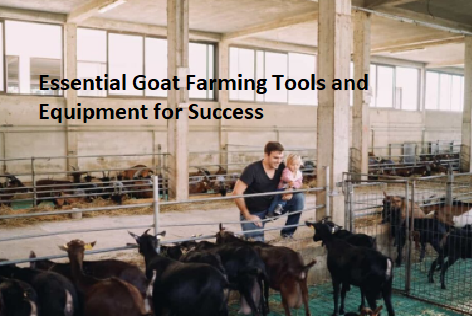
Investing in the right goat farming tools is the primary step toward ensuring the health, productivity, and safety of your herd. Whether you are managing a small homestead or a commercial operation, having the correct infrastructure reduces labor time and prevents unnecessary injury to both the animals and the farmer.
Efficiency in daily operations depends on your ability to handle tasks like hoof trimming, feeding, and medical care without excessive physical strain. By focusing on durable, purpose-built items rather than makeshift solutions, you create a professional environment that promotes animal welfare. This article outlines the specific hardware and utility items necessary for maintaining a thriving goat enterprise.
Initial Infrastructure and Housing Requirements
Shelter is the most critical asset for any goat owner. Goats are notoriously sensitive to damp conditions and drafts, which can lead to respiratory issues like pneumonia. A basic three-sided shed is often sufficient in mild climates, but it must be oriented away from prevailing winds.
Internal housing requires specific hardware to keep the environment sanitary. You will need heavy-duty stall dividers, preferably made of galvanized steel tubing to resist rust and chewing. Raised wooden platforms or pallets are also essential, as goats prefer to sleep off the cold, damp ground.
For fencing, you cannot rely on standard agricultural wire. Goats are escape artists that will test every weak point in your perimeter.
Woven wire fencing, often called “no-climb” or “sheep and goat” fencing, is the gold standard for containment. It typically features 4-inch by 4-inch squares that prevent kids from sticking their heads through and getting stuck.
Feeding and Watering Systems
Water is the most important nutrient for goats, especially for lactating does. A goat will drink between 1 and 3 gallons of water daily depending on the temperature and its stage of production. Automatic waterers are highly recommended because they ensure a constant supply of clean, fresh water without the risk of the container running dry.
If you prefer manual systems, use heavy-duty rubber troughs rather than plastic. Plastic containers often crack under the pressure of a goat stepping on them or during freezing winter months. Rubber troughs are flexible, durable, and easily cleaned with a stiff-bristle brush.
Feeding equipment should minimize waste, as goats are notoriously picky eaters that will trample hay left on the ground. A wall-mounted hay feeder is essential to keep forage off the bedding and prevent fecal contamination. You can find detailed goat production resources from Penn State Extension that explain how to calculate feed requirements based on body weight.
Essential Hoof Care and Grooming Equipment
Hoof maintenance is a non-negotiable aspect of goat husbandry. Overgrown hooves can lead to lameness, foot rot, and permanent structural damage. You must invest in a high-quality pair of hoof trimmers, specifically designed for small ruminants rather than general-purpose garden shears.
A hoof trimming stand is perhaps the single most useful tool you can own. It secures the goat’s head, allowing you to lift each leg and work safely without the animal struggling or bolting. This reduces the time required for the task by at least 50% per animal.
Grooming supplies are also necessary for maintaining skin health. A stiff brush is vital for removing dead hair and parasites during the shedding season. By grooming regularly, you also become familiar with the goat’s body, making it much easier to detect lumps, abscesses, or hidden injuries early.
Medical and First Aid Kits
Every farm must have a dedicated medical cabinet that is stocked and ready for emergencies. You should never wait until an animal is sick to source these items. A basic kit includes a digital thermometer, which is the most accurate way to detect a fever early.
Antiseptics and wound sprays are also critical for treating minor cuts from fencing or fighting. You will need disposable syringes in various sizes, typically 3cc, 6cc, and 12cc, for administering vaccinations or oral medications. Always keep a supply of needles on hand, as these should never be reused between animals to prevent the spread of blood-borne diseases.
| Item | Purpose | Frequency of Use |
|---|---|---|
| Digital Thermometer | Monitor for fever or illness | As needed (daily if ill) |
| Hoof Trimmers | Prevent lameness and foot rot | Every 6–8 weeks |
| Syringes/Needles | Vaccinations and treatment | Seasonal/Emergency |
| Stiff Brush | Grooming and health check | Weekly |
Handling and Restraint Gear
Managing a herd requires more than just physical strength. Proper handling tools allow you to move animals without causing them stress, which is vital for meat quality and overall health. A head gate or squeeze chute is an excellent investment for farms with more than ten head of cattle or goats.
Collars and halters are essential for training individual animals to lead. Goats are naturally flighty, but a well-fitted nylon halter makes it easier to move a sick animal to a treatment area. Always ensure that collars are fitted with a “break-away” mechanism to prevent the goat from accidentally hanging itself if it gets caught on a branch.
Sorting boards are also highly effective for moving goats through narrow alleyways. A simple piece of plywood with handholds allows you to guide the animals without needing to physically grab them. This method is much safer for both the handler and the goat.
Record Keeping and Identification Tools
A successful farm operates on data, not memory. You need a reliable system for tracking breeding dates, kidding dates, and medical treatments. Ear tags are the most common form of identification, providing a permanent record for each animal.
An ear tag applicator is a specialized tool that should be kept in a clean, dry place. Using a dull or rusted applicator can cause unnecessary pain and increase the risk of infection in the ear. Pair your tags with a high-quality permanent marker to ensure that numbers remain legible for years.
Digital software or a simple farm notebook can help you track production metrics. Recording milk yields, weight gain, or parasite resistance helps you make informed decisions about which animals to keep and which to cull. Consistency in record-keeping is what separates a hobbyist from a profitable operation.
Cleaning and Sanitation Hardware
Biosecurity is the first line of defense against disease outbreaks. You should have a dedicated set of shovels, pitchforks, and wheelbarrows that stay within the barn area. Using the same equipment to clean the barn and move manure as you do for garden work can spread pathogens throughout your property.
Pressure washers are incredibly useful for deep cleaning stalls between kidding seasons. Removing caked-on manure and debris prevents the buildup of bacteria and ammonia fumes. If you have concrete flooring, a stiff-bristled floor scraper will make the removal of waste significantly faster.
Disinfectants that are safe for animal environments should be kept in stock at all times. A simple footbath at the entrance to your barn can also prevent the tracking of mud and manure into cleaner areas. These small investments in sanitation hardware prevent expensive veterinary bills down the road.
Seasonal Maintenance and Winterizing
Preparing for winter requires a specific set of tools that differ from your summer inventory. Heated water buckets are essential in climates where temperatures drop below freezing. These units use a thermostatically controlled heating element to prevent water from icing over, ensuring the goats stay hydrated even in the coldest months.
Insulation materials for your barn are also important. While you do not want to seal the barn completely, you should be able to block off gaps that allow cold drafts to hit the goats directly. Tarps and heavy-duty plastic sheeting can be used as temporary windbreaks on the north side of the structure.
Snow shovels and heavy-duty scrapers should be stored in an accessible location. You will need to keep access paths to your feed storage and water sources clear throughout the winter. Being able to reach your animals quickly during a storm is a vital part of your farm’s winterization strategy.
Frequently Asked Questions
How many acres do you need to raise a herd of 100 goats?
The number of acres required depends heavily on the quality of your pasture. Generally, you can stock between 6 and 10 goats per acre if you are rotationally grazing. For a herd of 100, you would ideally need at least 10 to 15 acres of well-managed forage, though this number can be lower if you supplement with hay.
What is the most important tool for a new goat farmer?
A high-quality, sturdy set of hoof trimmers is the most important tool you will purchase. Goats are prone to foot issues that can quickly become debilitating if left unaddressed. Mastering the use of these trimmers is a fundamental skill for every successful goat owner.
How can I prevent my goats from escaping their pen?
The best solution is to use specialized woven wire fencing, often called “no-climb” fencing. Standard barbed wire or cattle panels with large gaps are ineffective against goats. Always ensure your fence is pulled tight and that your gate latches are complex enough that the goats cannot figure out how to open them.
Do I need a squeeze chute for a small farm?
A squeeze chute is not strictly necessary for a very small herd, but it becomes essential as your numbers grow. It allows you to safely perform vaccinations, medical checks, and hoof trimming without the risk of injury. If you have fewer than five goats, a simple trimming stand may be sufficient.
What is the most profitable product from goats?
Profitability depends on your local market, but goat meat (chevon) and dairy products are the most consistent revenue streams. Many farmers find success by specializing in high-quality goat cheese or by breeding high-value meat goats for sale to niche markets. Always research your local demand before investing in specific equipment for these products.
Conclusion
Building a successful operation relies on selecting the right goat farming tools for your specific environment and herd size. By prioritizing durable, efficient equipment, you minimize labor costs and enhance the overall health of your animals. Whether you are installing new fencing, setting up automated waterers, or building a comprehensive medical kit, each item plays a role in the long-term sustainability of your farm.
Focusing on these foundational elements allows you to spend more time observing your goats rather than struggling with inadequate infrastructure. As you continue to grow, assess your needs regularly and upgrade your tools to match your production goals. Investing in quality gear is the best way to ensure that your time in the barn is both productive and rewarding.
