

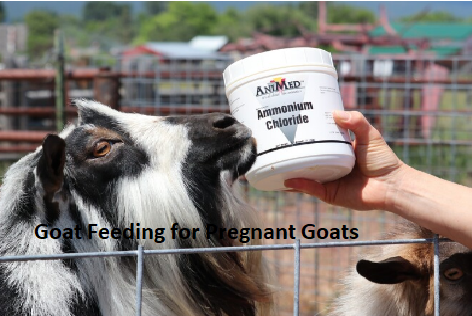
Managing goat feeding for pregnant goats requires a shift in nutritional strategy to support both the growing fetus and the doe’s own physiological health. Proper diet during this period is not merely about increasing volume; it is about balancing protein, energy, and minerals to prevent metabolic disorders like pregnancy toxemia. By adjusting your approach during the final trimester, you significantly increase the chances of healthy kids and a strong start to lactation.
This article outlines the precise steps, nutritional targets, and management practices necessary for ensuring your does remain in optimal condition throughout their gestation.
The Nutritional Requirements of Gestation
The primary goal of goat feeding for pregnant goats is to provide adequate energy for fetal development. During the first two trimesters, the nutritional needs of the doe remain relatively close to maintenance levels. However, during the final 60 days of pregnancy, the fetuses grow rapidly, often accounting for 70% of their total birth weight during this window.
Failing to provide sufficient energy during this specific period leads to a negative energy balance. This state triggers the mobilization of body fat stores too quickly, which can result in ketosis, a serious condition that can be fatal for both the mother and the unborn kids.
Protein requirements also climb during the final weeks of pregnancy. The doe needs extra protein to support the development of placental tissues and the upcoming production of colostrum. If protein levels are inadequate, you may observe lower birth weights and, in some cases, stunted growth in the kids.
It is essential to ensure that the protein provided is of high quality, as the rumen microbes need a consistent supply of nutrients to process complex plant fibers efficiently.
Managing Energy Density and Fiber
Balancing energy density is the most critical challenge for a goat owner. While you must increase calories, you cannot simply dump grain into the feeder without consequence.
Overloading a doe with carbohydrates can cause acidosis or bloat, especially if her rumen is already physically constrained by the size of the developing fetuses. The physical capacity of the rumen decreases as the uterus expands, meaning the doe cannot eat as much volume as she once could.
To compensate for this reduced space, you must increase the nutrient density of the feed. High-quality forage remains the foundation of any balanced diet, but it must be supplemented with energy-dense grains or high-protein legumes during the last month of gestation. Alfalfa hay is an excellent choice for this phase because it provides both the necessary protein and a higher caloric density compared to standard grass hay.
You should monitor the body condition score of your does weekly to ensure they are maintaining a healthy weight without becoming obese, as excessive fat can cause complications during kidding.
Essential Mineral Supplements
Goat feeding for pregnant goats is incomplete without addressing mineral requirements. Pregnancy increases the demand for calcium and phosphorus, which are vital for bone development in the fetal skeleton.
If the doe does not receive enough calcium, her body will leach it from her own bones, leaving her vulnerable to hypocalcemia or milk fever. A loose mineral mix designed specifically for goats should be available at all times.
Copper and selenium are also critical, though their availability depends heavily on your local soil conditions. In many regions, the soil is deficient in selenium, which can cause “white muscle disease” in newborn kids. If you live in a known deficient area, you may need to provide a specialized mineral supplement or consult with a veterinarian regarding injectable selenium and Vitamin E.
Always ensure that the mineral supplement is specifically formulated for goats rather than cattle or sheep, as sheep are highly sensitive to the copper levels that goats require to thrive.
The Role of Water and Hydration
Water is the most overlooked nutrient in any livestock operation, yet it is vital during pregnancy. A pregnant doe requires significantly more water to support the amniotic fluid and the increased blood volume needed for the fetuses.
If a goat is dehydrated, her dry matter intake will plummet because she will not be able to process the fiber in her rumen. This creates a vicious cycle that quickly leads to metabolic stress.
Ensure that fresh, clean water is available 24 hours a day. During winter months, consider using a tank heater to keep the water from freezing, as goats are notoriously picky about drinking ice-cold water. A goat that refuses to drink will not eat, and a goat that does not eat cannot sustain a healthy pregnancy.
If you notice a sudden drop in water intake, it is often a sign of impending illness, and you should inspect the animal immediately.
Monitoring Body Condition Scores
You must learn to assess the body condition score (BCS) of your goats regularly. Relying on visual appearance alone is often misleading because the growing belly can hide a lack of muscle mass.
You should feel the spine, the ribs, and the sternum to determine how much fat cover is present. For a pregnant doe, a score of 3 on a 5-point scale is generally ideal.
A score below 2.5 indicates that the doe is too thin and needs more energy-dense feed immediately. Conversely, a score of 4 or 5 indicates the doe is obese, which increases the risk of pregnancy toxemia and dystocia, or difficult births. By tracking these scores throughout the gestation period, you can adjust your feeding program dynamically.
This proactive approach prevents the need for drastic diet changes, which are always stressful on the rumen environment.
Comparative Nutritional Needs
Different stages of a goat’s life require different nutrient profiles. The following table illustrates how the focus shifts as a doe progresses through her gestation cycle.
| Stage of Gestation | Primary Nutritional Focus | Energy Density Requirement |
|---|---|---|
| Early Pregnancy | Maintenance of body weight | Moderate |
| Mid Pregnancy | Moderate growth support | Moderate to High |
| Final 60 Days | Fetal growth and colostrum | High |
| Post-Kidding | Lactation support | Very High |
Foods to Avoid During Pregnancy
Certain feeds can be dangerous or even toxic to a pregnant goat. Avoid feeding any moldy or spoiled hay, as the mycotoxins present can cause reproductive issues or sudden abortion. You should also be cautious with high-nitrate grasses or plants that have been recently fertilized, as these can interfere with oxygen transport in the blood. For more information on identifying safe and toxic forage, you can visit the eXtension Foundation for detailed agricultural resources.
Do not introduce sudden changes to the diet, such as switching from one type of grain to another without a transition period. The rumen bacteria require time to adapt to new substrates; a sudden change can cause a drop in pH levels, leading to acidosis. Always make dietary adjustments gradually over a period of seven to ten days.
This slow transition protects the health of the digestive system and ensures that the doe maintains a consistent appetite.
Practical Management Checklist
Maintaining a consistent routine is the best way to ensure success during the kidding season. Use the following list to stay organized and prepared for the final weeks.
- Schedule a mineral supplement check every two weeks to ensure consumption levels are consistent.
- Monitor the herd daily for signs of respiratory issues or unusual lethargy.
- Maintain a log of body condition scores at 30-day intervals.
- Ensure that your hay storage is dry and free from rodent contamination.
- Prepare a kidding kit that includes iodine, sterile gloves, and colostrum replacer.
- Confirm your access to a large animal veterinarian in case of an emergency.
Frequently Asked Questions
How can I tell if my goat is suffering from pregnancy toxemia?
Pregnancy toxemia often presents as a loss of appetite, lethargy, and a sweet, acetone-like smell on the breath. The doe may isolate herself from the herd and stand with her head pressed against a wall or fence. If you notice these symptoms, it is a medical emergency that requires immediate intervention by a veterinarian.
Is it safe to feed grain to a pregnant goat every day?
Yes, but the amount must be carefully controlled based on her weight and the quality of your forage. Grain should be used as a supplement to provide energy, not as the primary source of nutrients. Overfeeding grain can lead to obesity and metabolic complications, so always measure your portions rather than feeding by sight.
Can I change the type of hay I am feeding in the middle of pregnancy?
You can change the hay, but you must do it slowly. Mixing the new hay with the old over the course of a week allows the rumen microbes to adjust to the change in fiber and protein content. Sudden changes in forage quality often lead to digestive upsets that can stress a pregnant animal.
What is the most common mistake made during goat feeding for pregnant goats?
The most common mistake is failing to increase the energy density of the feed during the final trimester. Many owners keep the diet the same throughout the entire pregnancy, which results in the doe burning her own body reserves to support the kids. This leads to weak kids and a doe that is too exhausted to produce enough milk for her offspring.
How much weight should a pregnant goat gain?
A pregnant doe should gradually gain weight throughout the gestation period, but this gain should be focused on the developing kids and the placenta rather than excessive fat storage. A healthy weight gain is usually around 15% to 20% of her starting body weight. If she gains more than this, monitor her body condition score to ensure she is not becoming over-conditioned.
Conclusion
Successfully navigating goat feeding for pregnant goats is a process of balancing the metabolic needs of the doe with the rapid development of her kids. By prioritizing high-quality forage, providing consistent access to proper minerals, and monitoring body condition scores, you create the best possible environment for a successful kidding season. Remember that the final two months of gestation are the most critical, and small, proactive adjustments during this time pay off in the health and vitality of your herd. Start by evaluating your current hay quality and mineral access, and ensure your feeding strategy is ready to accommodate the increased energy demands of late-stage pregnancy. If you remain observant and consistent, you will be well-prepared to welcome healthy, thriving kids into your farm.
