

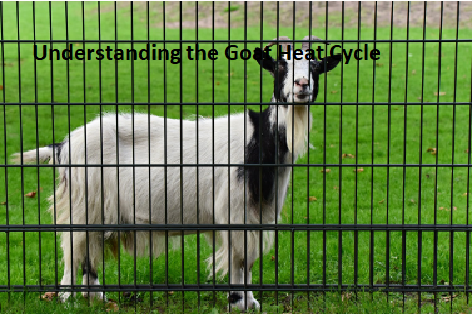
Understanding the goat heat cycle is essential for any producer aiming to manage breeding schedules and improve herd productivity effectively. By recognizing the physiological patterns of your animals, you can accurately predict when they are ready for mating.
This knowledge allows for better resource allocation, reduced stress on the herd, and improved kidding outcomes. Whether you manage a small hobby farm or a commercial dairy operation, mastering these reproductive rhythms is the foundation of successful goat husbandry.
The average duration of a goat heat cycle is 18 to 21 days, with most does falling consistently within this range. Estrus, the period of sexual receptivity, typically lasts between 12 and 36 hours.
During this time, the doe will actively seek out the buck and exhibit clear behavioral changes. Understanding these specific timeframes ensures you can time your breeding efforts for the highest probability of conception.
Recognizing Behavioral Signs of Estrus
Identifying the signs of a goat in heat requires daily observation and a keen eye for subtle shifts in behavior. A doe in heat often becomes unusually vocal, frequently calling out to the buck in neighboring pens.
You might notice her tail twitching or wagging more rhythmically than usual throughout the day. This behavior is a primary indicator that her reproductive hormones are peaking.
Physical symptoms are equally important to monitor alongside behavioral cues. Many producers observe a slight swelling or reddening of the vulva, though this can vary significantly between breeds.
Some does may also experience a clear, thin vaginal discharge during this window. If you keep a buck on the premises, he will be the most reliable indicator, as he will become visibly agitated and persistent near her enclosure.
Seasonal Influences on Breeding
Most goat breeds are considered short-day breeders, meaning their reproductive cycles are triggered by decreasing daylight hours. As autumn approaches and the days grow shorter, the pineal gland in the brain stimulates the release of hormones that initiate the goat heat cycle. This natural rhythm ensures that kids are born in the spring when weather conditions are generally more favorable for survival.
However, some tropical breeds, such as the Nigerian Dwarf or certain meat breeds, may cycle year-round regardless of light duration. If your goal is to produce milk or meat on a consistent schedule, you may need to implement light-control programs. These programs involve keeping the goats in an environment where you can artificially manipulate the duration of light exposure to trick their systems into cycling outside of the natural season.
The Role of the Buck in Stimulation
The presence of a buck is a powerful natural stimulant for bringing does into heat. This phenomenon, known as the “buck effect,” occurs when the pheromones released by the buck trigger a hormonal response in the does. Even if the does have been in an extended period of anestrus, introducing a buck can often jump-start their reproductive cycles within a few days.
You should keep the buck in a separate pen or behind a fence line where the does can see, smell, and hear him without physical contact. This proximity is usually sufficient to stimulate the endocrine response necessary for ovulation. If you do not have a buck on-site, you can sometimes achieve similar results by introducing bedding or equipment that has recently been in contact with a buck to the does’ enclosure.
Tracking and Record-Keeping Methods
Maintaining detailed records is the only way to accurately predict when an individual doe will return to heat. You should create a calendar or use a digital tracking system to log the date of every observed heat. By calculating the interval between these dates, you can develop a personalized profile for each animal in your herd.
| Indicator | Typical Observation |
|---|---|
| Cycle Length | 18–21 Days |
| Duration of Estrus | 12–36 Hours |
| Primary Behavioral Sign | Increased vocalization |
| Physical Sign | Tail flagging/wagging |
Consistency in your record-keeping allows you to identify potential reproductive issues early. If a doe consistently fails to cycle or shows irregular intervals, you can investigate nutritional deficiencies or underlying health problems. Tracking also helps you prepare for the upcoming kidding season by allowing you to estimate due dates with a high degree of accuracy.
Nutritional Impacts on Reproductive Health
Reproduction is a metabolically expensive process, and a doe’s body condition score (BCS) plays a major role in her ability to cycle. Does that are underweight or malnourished may skip heat cycles entirely or fail to conceive even when bred. Conversely, does that are overly obese may face similar challenges with hormonal regulation and embryo implantation.
Providing high-quality forage and appropriate mineral supplementation is vital for maintaining a healthy reproductive system. You should focus on ensuring adequate levels of selenium, copper, and zinc, as these are critical for hormonal function. The United States Department of Agriculture provides extensive resources on livestock nutrition that can help you balance your herd’s diet for optimal fertility.
Managing First-Time Breeders
Young does, known as doelings, typically reach puberty between four and eight months of age. However, waiting until they reach a certain percentage of their mature body weight is a more reliable metric than age alone. Most breeders recommend waiting until a doeling has reached at least 60% to 70% of her expected adult weight before attempting to breed her.
Early breeding can lead to stunted growth and complications during kidding, such as dystocia. By monitoring the growth rates of your doelings, you ensure that they are physically capable of carrying a pregnancy to term. Pay close attention to their first few cycles, as they may be less regular or exhibit less obvious behavioral signs than mature does.
Common Reproductive Challenges
Even in well-managed herds, you may encounter issues that disrupt the normal goat heat cycle. Silent heat is a common frustration where a doe ovulates but shows no outward behavioral signs of being receptive to the buck. This often requires the use of blood tests or ultrasound technology to confirm whether the animal is cycling properly.
Cystic ovaries are another potential hurdle that can cause a doe to remain in a constant state of heat or to stop cycling altogether. If you suspect an issue, consulting a veterinarian who specializes in small ruminants is the best course of action. They can perform a physical examination and suggest hormonal treatments, such as prostaglandin injections, to synchronize or restart the cycle if necessary.
Key Considerations for Producers
* Maintain a clean, stress-free environment to encourage natural hormonal expression.
* Observe your herd during the early morning and late evening when activity is often highest.
* Use markers like a marking harness on the buck to confirm successful mating attempts.
* Isolate any does that seem to be having trouble cycling for individual monitoring.
* Rotate your breeding stock to prevent inbreeding and maintain genetic diversity.
* Consult with local extension agents for advice on regional breeding windows.
These practices help create a stable and predictable environment for your animals. By focusing on these fundamentals, you reduce the likelihood of missed breeding windows and improve the overall efficiency of your farming operation.
Frequently Asked Questions
How often do goats go in heat?
A healthy doe will typically experience a heat cycle every 18 to 21 days during the breeding season. This interval remains relatively consistent for most dairy and meat breeds, though individual variations can occur based on health and nutrition.
What are the most common signs of heat?
The most common signs include excessive vocalization, tail wagging, and increased interest in the buck. You might also notice a slight swelling of the vulva or a change in appetite as the doe focuses more on finding a mate.
How long does the actual heat period last?
The period of standing heat, or the time when the doe is receptive to the buck, usually lasts between 12 and 36 hours. It is important to monitor your animals closely during this timeframe to ensure you do not miss the window for successful breeding.
Can I induce a goat to go into heat?
Yes, the most effective method is the “buck effect,” where the pheromones of a male goat stimulate the hormonal system of the females. In some commercial operations, hormonal treatments like progestin-releasing implants are used to synchronize cycles across the entire herd.
Do all goats follow the same seasonal pattern?
While many breeds are strictly seasonal, some tropical breeds can cycle year-round. Understanding the specific characteristics of your goat’s breed is essential for managing their reproductive schedule effectively throughout the year.
Conclusion
Managing the goat heat cycle effectively is a cornerstone of successful livestock management. By observing behavior, maintaining accurate records, and ensuring proper nutrition, you can significantly improve your breeding success rates. Remember that every doe is an individual, and taking the time to understand the specific rhythms of your herd will pay off in healthier kids and more predictable production cycles.
As you continue to gain experience, you will become more adept at spotting the early signs of estrus and managing the logistics of your breeding season. Stay consistent with your daily observations and don’t hesitate to reach out to local agricultural experts if you notice irregularities. With careful planning and attention to detail, you can optimize your herd’s performance and enjoy a productive and rewarding experience with your goats.
