

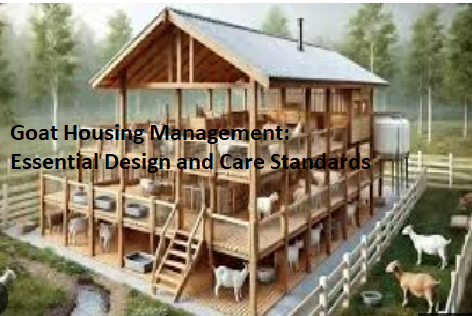
Effective goat housing management ensures your herd remains healthy, productive, and protected from environmental stressors. By focusing on ventilation, dry bedding, and predator-proof structures, you create an environment that minimizes respiratory illness and parasite transmission. This guide explores the technical requirements for building and maintaining facilities that meet the physiological needs of your animals throughout the year.
The primary requirement for any enclosure is providing a dry, draft-free space that offers at least 12 to 15 square feet of floor area per adult goat. You must ensure the structure remains elevated or well-drained to prevent moisture buildup, which is the leading cause of hoof rot and respiratory infections. A well-designed barn should prioritize airflow above the goats’ heads while blocking direct wind gusts at their body level.
Understanding Space and Density Requirements
Stocking density is a critical component of successful goat housing management because overcrowding leads to stress and rapid disease spread. For standard dairy or meat breeds, you should allocate a minimum of 15 square feet of indoor space for each mature animal. If you are housing them in a group setting, consider increasing this to 20 square feet to allow for social distancing and reduced competition at feeders.
Kidding pens require significantly more individual attention and space. A standard kidding stall should measure at least 5 feet by 5 feet to accommodate a doe and her kids comfortably. These pens must be isolated from the main herd to prevent injury to the newborns and to allow for close monitoring of the mother’s health.
For larger operations, the total land requirement varies based on the intensity of the grazing system. If you plan to stock 1,000 goats, you generally need at least 100 to 200 acres of high-quality pasture to prevent overgrazing and soil erosion. Rotational grazing is essential, as it keeps the animals moving and reduces the parasite load on the land.
Ventilation and Air Quality Standards
Goats are highly susceptible to respiratory issues caused by ammonia buildup and poor air circulation. Proper goat housing management dictates that your structure must allow for consistent air exchange without creating direct drafts on the animals. You should aim for ridge vents or high-wall windows that exhaust warm, moist air near the roofline.
Ammonia is a silent killer in enclosed barns, often accumulating in the lower zones where goats spend their time. If you can smell ammonia when you walk into the shed, your ventilation rate is insufficient. Increase the opening size of your eaves or install mechanical exhaust fans to pull stale air out of the building.
Moisture control is equally vital for maintaining a healthy barn climate. A roof with a sufficient pitch and wide overhangs prevents rain from blowing into the housing area. Ensure the barn floor is constructed from materials that do not retain water, such as packed gravel topped with a thick layer of absorbent bedding.
Bedding Materials and Sanitation
The type of bedding you choose directly impacts the cleanliness of your herd and the longevity of your barn floor. Straw is a traditional choice, providing excellent insulation and comfort, though it requires frequent replacement to stay dry. Wood shavings or sawdust are effective at absorbing moisture, but they can be dusty and potentially harbor mold if they become damp.
Deep litter management is a common practice in goat housing management to keep animals warm during winter months. This involves adding fresh layers of bedding over the old, allowing the lower layers to compost and generate heat. You must monitor this closely; if the pile becomes too wet, it will release harmful gases and attract pests.
Sanitation goes beyond just changing the bedding. You should perform a deep cleaning and disinfection of the barn at least once a year, ideally after the main kidding season. Remove all organic matter, scrub the walls, and apply a livestock-safe disinfectant to kill lingering bacteria or viral agents.
Structural Security and Predator Control
Goats are prey animals that require a secure perimeter to remain calm and healthy. Your goat housing management plan must include a fence line that is at least 4 to 5 feet high and constructed from heavy-duty woven wire. Avoid using barbed wire, as it can easily tear goat hides and cause significant injuries.
Predator-proofing the barn itself is just as important as the perimeter fence. Ensure all doors use latch systems that cannot be opened by clever animals like raccoons or coyotes. Metal sheeting or heavy-duty hardware cloth should cover any ventilation gaps to prevent small predators from entering the nesting areas.
Buried wire or concrete footings around the base of the barn walls prevent digging predators from tunneling underneath. If you live in an area with high coyote or fox activity, consider investing in livestock guardian dogs or donkeys. These animals provide an active layer of defense that far exceeds the protection offered by fences alone.
Feed and Water Station Placement
The placement of feeders and waterers within your housing system influences both health and labor efficiency. Feeders should be designed to prevent goats from climbing into them, which reduces feed waste and contamination from manure. You can find detailed design specifications for various livestock housing systems at the Penn State Extension livestock management resources.
Waterers must be kept clean and located away from high-traffic manure zones. Goats are notoriously picky about their water and will avoid drinking if it is stagnant or contaminated. Use elevated troughs or automatic waterers that are easy to scrub and refill on a daily basis.
Consider the following table for recommended space and equipment allocations:
| Animal Type | Space Required (Sq Ft) | Feeder Space (Inches) |
|---|---|---|
| Mature Doe | 15-20 | 12-16 |
| Weaned Kid | 8-10 | 8-10 |
| Buck | 25-30 | 18-24 |
| Kidding Pen | 25 | N/A |
Managing Bucks Separately
Goat housing management requires specific considerations for bucks, especially during the breeding season. Bucks emit a strong odor and can become aggressive toward other goats if they are not managed in a separate space. Their housing should be sturdy enough to contain a powerful animal that may attempt to break through gates or fences to reach does.
Bucks require a slightly larger area than does, typically 25 to 30 square feet, to reduce stress and allow for natural movement. Ensure their living quarters are located downwind from the main herd to minimize the odor profile of your farm. Proper fencing for bucks should be reinforced, as they are capable of jumping or pushing through standard netting.
Keep the buck’s area simple and easy to clean, as they are often messier than does. Provide a sturdy rubbing post or scratching station, as they enjoy marking their territory. Even when separated, ensure the buck has visual contact with the herd to prevent extreme social isolation, which can lead to behavioral issues.
Climate Adaptation for Seasonal Shifts
Goats are adaptable, but they require specific adjustments to their housing during extreme weather events. In hot climates, your goal is to maximize shade and airflow. Install large fans or open up multiple sides of the barn to ensure the goats do not suffer from heat stress, which can drop milk production and cause reproductive failure.
During winter, the focus shifts to retaining heat and preventing frostbite. In very cold climates, you might need to board up some sides of the barn to block prevailing winds. Ensure that the animals have access to deep, dry bedding, which acts as an insulator against the cold ground.
Monitor your herd for signs of temperature-related stress, such as shivering in the winter or rapid panting in the summer. If you notice these symptoms, immediately adjust your housing setup. A small investment in portable windbreaks or misting systems can make a significant difference in animal welfare.
Frequently Asked Questions
How do I know if my goat barn has enough ventilation?
A well-ventilated barn should never smell strongly of ammonia or feel humid inside. If the air feels heavy or you see condensation dripping from the ceiling, you need to increase your intake or exhaust capacity.
What is the best flooring for a goat shed?
Packed clay or well-drained gravel is generally superior to concrete because it is softer on the goats’ hooves and provides better drainage. Always cover the floor with a generous layer of straw or wood shavings to provide a clean, dry surface for the animals to lie down.
How often should I clean a goat barn?
The frequency of cleaning depends on the density of your herd and the type of bedding used. You should remove wet or soiled bedding daily, while a full clean-out of deep litter systems should happen at least once or twice a year.
Can I keep sheep and goats in the same housing?
While they share similar housing needs, they have different dietary and health requirements. It is generally better to separate them to ensure each species receives the correct nutrition and to prevent the transmission of species-specific parasites.
What are the legal requirements for goat sheds?
Local zoning laws and agricultural building codes vary by region and municipality. Always check with your local agricultural extension office or building department to ensure your structure meets safety and permit requirements before you begin construction.
Optimizing Herd Health Through Facilities
Successful goat housing management relies on a combination of structural integrity, environmental control, and consistent maintenance. By providing adequate space, ensuring proper airflow, and maintaining strict sanitation, you protect your investment and ensure the welfare of your animals. These practices reduce the need for veterinary intervention and increase the overall productivity of your herd.
Remember that a well-designed barn is a long-term asset that simplifies your daily chores and keeps your animals content. Regularly evaluate your setup against the needs of your growing herd and make improvements as your operation evolves. Whether you are managing a small homestead or a large commercial farm, the principles of effective goat housing management remain the same: prioritize the comfort and safety of the animals to achieve the best results.
