

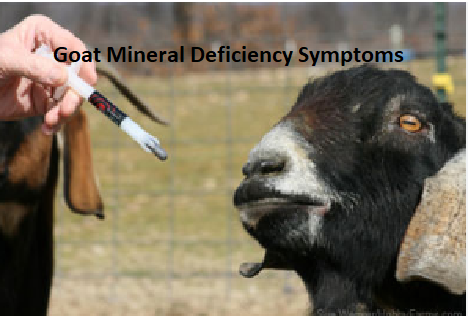
Identifying goat mineral deficiency symptoms early is the difference between a thriving herd and one that struggles with chronic health issues. Minerals act as the foundation for metabolic function, immune response, and reproductive success in caprine animals.
When your goats lack essential trace elements, their bodies cannot perform basic physiological tasks, leading to visible and often irreversible physical decline. By learning to spot these signs before they become critical, you can adjust your feeding program and prevent long-term production losses.
Primary Indicators of Mineral Imbalance
The most immediate goat mineral deficiency symptoms often appear in the animal’s coat and skin quality. A healthy goat should possess a lustrous, soft coat that sheds appropriately with the changing seasons. If you notice a coat that looks dull, dry, or brittle, it is often the first warning light.
Discoloration, such as a goat with a black coat turning a rusty reddish-brown, is a classic sign of copper deficiency. You might also observe excessive hair loss or skin that appears flaky and irritated without an obvious presence of lice or mites.
Hoof health serves as another critical barometer for your herd’s nutritional status. Brittle hooves that crack easily or show signs of frequent rot can indicate a lack of zinc or selenium. While environmental factors like wet pastures play a role, a goat with a robust mineral profile is significantly more resistant to these issues.
Watch for animals that seem reluctant to walk or show uneven weight distribution. These behaviors often stem from underlying skeletal stress caused by poor mineral absorption or utilization.
The Role of Copper in Caprine Health
Copper is perhaps the most discussed element in goat nutrition because of its narrow margin of safety. Goats require significantly higher levels of copper than sheep, making generic livestock minerals dangerous for mixed-species pastures. When a goat suffers from a copper shortage, the symptoms manifest in specific, identifiable ways.
You will frequently see “fish-tailing,” where the end of the tail loses hair and develops a frayed appearance. This is a hallmark of copper levels dropping below the threshold for maintaining healthy hair follicles.
Secondary symptoms of copper imbalance include anemia and reduced fertility rates in both bucks and does. Because copper is essential for iron absorption, a deficiency often mimics the symptoms of severe internal parasite loads. Always investigate your mineral program before assuming that a pale eyelid color is solely the result of worms.
An animal that looks perpetually tired or shows signs of poor growth despite adequate caloric intake is likely missing this vital trace element. Proper supplementation must be provided as a loose mineral, as blocks are often too hard for goats to consume in sufficient quantities.
Selenium and Vitamin E Interactions
Selenium deficiency is a widespread issue in regions with soil that lacks this trace element, such as the Pacific Northwest or parts of the Great Lakes. The most severe manifestation is “white muscle disease,” which affects the skeletal and cardiac muscles.
Kids born to deficient dams may be unable to stand, walk with a stiff gait, or suffer from sudden heart failure. This condition is often fatal if not addressed through injections or soil-level supplementation early in the pregnancy.
Adult goats dealing with selenium or Vitamin E shortages exhibit reduced immune function and poor reproductive performance. You might notice an increase in retained placentas after kidding or a higher rate of embryonic loss. These animals are also more susceptible to respiratory infections, as their bodies struggle to mount an effective defense against common pathogens.
Because selenium is toxic in high doses, you must consult with a local extension office to determine the specific levels required for your area. You can find more detailed guidance on regional requirements through resources like the Penn State Extension agricultural database.
Calcium and Phosphorus Balancing
The balance between calcium and phosphorus is critical for bone development and nervous system regulation. A standard ratio of 2:1, calcium to phosphorus, is generally recommended for optimal health. When this ratio is disrupted, particularly by high-grain diets, goats become prone to urinary calculi.
This is a painful and often life-threatening blockage in the urinary tract, primarily seen in wethers and bucks. Symptoms include straining to urinate, vocalizing in pain, and a distended abdomen.
Calcium deficiency specifically can lead to milk fever in lactating does, especially shortly after giving birth. The animal may appear weak, have a reduced appetite, and eventually lose the ability to stand. Phosphorus deficiency, by contrast, is rarer but can lead to pica, where goats begin chewing on wood, dirt, or bones.
This behavior is a desperate attempt by the animal to source the missing minerals from their environment. Always ensure that your mineral mix is specifically formulated for goats to maintain the correct ratio.
Iodine and Zinc Requirements
Iodine is essential for thyroid function, which regulates the animal’s metabolism and body temperature. A deficiency here most commonly presents as a goiter, which is a visible swelling in the neck area.
In pregnant does, a lack of iodine can lead to the birth of weak kids that struggle to survive their first few days. While this is less common today due to iodized salt, it remains a risk in areas with high-goitrogenic forage consumption.
Zinc is equally vital for skin integrity, immune response, and hoof strength. Goats that are chronically zinc-deficient often suffer from skin lesions, particularly around the eyes and muzzle. Their hooves may become soft and prone to separating from the sensitive tissue beneath.
Because zinc is involved in so many enzymatic processes, a deficiency often results in a general “failure to thrive.” This manifests as stunted growth in kids and a lack of luster in the production performance of the entire herd.
Common Mineral Deficiency Symptoms Comparison
Identifying the specific culprit behind poor health requires observing the entire animal. The following table provides a breakdown of common mineral deficiencies and their associated physical markers.
| Mineral | Common Physical Symptoms | Impact on Production |
|---|---|---|
| Copper | Fish-tail hair loss, dull coat | Reduced fertility, anemia |
| Selenium | Stiff gait, weak kids | Immune suppression |
| Calcium | Milk fever, poor bone health | Reduced milk yield |
| Zinc | Skin lesions, cracked hooves | Poor weight gain |
| Iodine | Goiter (neck swelling) | Metabolic sluggishness |
Practical Delivery Methods
Providing minerals effectively is just as important as choosing the right formula. Goats are notorious for their picky eating habits, and they will often refuse to eat minerals that are unpalatable or too dusty.
Loose minerals are significantly more effective than blocks, as goats have tongues designed for browsing rather than licking hard surfaces. Ensure the mineral feeder is kept clean, dry, and protected from the elements to prevent wastage.
You must also consider the placement of your mineral stations. Goats prefer to eat in areas where they feel safe from predators and away from high-traffic zones. If you place a feeder in a muddy area or near a heavy manure load, the goats will simply ignore it.
Monitor consumption rates closely to ensure your herd is actually ingesting the supplement. If consumption is too low, try mixing the minerals with a small amount of kelp or brewer’s yeast to increase their appeal.
Monitoring and Herd Management
Consistent observation remains your best tool for managing mineral health. Keep detailed records of your herd’s condition, including coat appearance, hoof health, and reproductive success.
If you notice a recurring issue, such as a high rate of weak kids, you should consider performing a blood test or liver biopsy on a few animals. These diagnostic tests provide a definitive answer regarding your herd’s internal mineral levels.
* Conduct annual soil tests to understand the baseline mineral profile of your pasture.
* Consult with a veterinarian to create a custom mineral plan based on your region’s specific deficiencies.
* Ensure that all goats have constant, clean water, as hydration is required for mineral absorption.
* Keep a log of any unusual behaviors like pica or excessive scratching.
* Rotate your mineral brands if you suspect the current one is not palatable to your specific breed.
Frequently Asked Questions
How do I know if my goat is getting enough minerals?
The best way to know is through observation and testing. Healthy goats have shiny coats, strong hooves, and consistent reproductive success. If you are unsure, blood samples analyzed by a vet can confirm if your supplementation program is working.
Can I use sheep minerals for my goats?
No, you should never use sheep minerals for goats. Sheep are extremely sensitive to copper and can suffer from toxicity if given goat-level supplements. Conversely, goats require high levels of copper that are not present in sheep formulas, leading to deficiency.
Why won’t my goats eat their loose minerals?
Goats are sensitive to the taste and texture of mineral mixes. If the minerals are old, dusty, or have been rained on, they will refuse them. Try moving the feeder to a sheltered spot or mixing the minerals with a small amount of molasses or kelp.
Is it possible to overdose a goat on minerals?
Yes, certain minerals like copper and selenium can be toxic if provided in excess. Always stick to the manufacturer’s feeding guidelines and ensure your mineral mix is specifically designed for goats. Avoid “all-stock” supplements that are not formulated for specific species needs.
How often should I check my goats for deficiency symptoms?
You should look for signs of deficiency during every daily feeding or interaction. Pay special attention to the coat, the eyes, and the hooves whenever you handle your animals. A routine physical exam every few months helps catch subtle changes early.
Conclusion
Maintaining a healthy herd requires vigilance regarding goat mineral deficiency symptoms. By staying proactive with high-quality, loose mineral supplements and observing your animals for changes in coat, hooves, and behavior, you can prevent many common health issues before they escalate. Remember that nutrition is a long-term investment in the productivity and longevity of your goats.
If you notice persistent issues despite providing free-choice minerals, do not hesitate to contact a local large-animal veterinarian for a professional consultation. Proper management ensures that your goats remain productive members of your farm for years to come. Start by evaluating your current mineral source today and observe your herd’s response over the next few weeks.
