

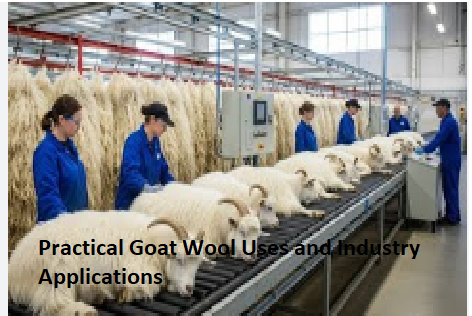
Understanding the various goat wool uses begins with distinguishing between the two primary luxury fibers harvested from these animals: cashmere and mohair. While people often colloquially refer to all animal hair as wool, goat fibers are technically classified as hair because they lack the scales found in sheep’s wool. This distinction is vital for manufacturers, as the unique structure of these fibers dictates their specific performance in textiles and consumer goods.
Cashmere is sourced from the soft, downy undercoat of cashmere goats, while mohair comes from the long, lustrous fleece of Angora goats. Both materials command high market prices due to their scarcity and superior insulating properties compared to standard sheep wool. By identifying these distinct categories, you can better appreciate why these fibers are prioritized for high-end garments and specialized industrial applications.
Identifying Common Goat Wool Uses
The most prominent application for fine goat fibers is the production of luxury knitwear, such as sweaters, scarves, and gloves. Cashmere, in particular, is prized for its extreme softness and lightweight thermal regulation, making it ideal for base layers that sit directly against the skin. Because the fibers are significantly finer than human hair, they provide warmth without the bulk or itchiness associated with coarser materials.
Beyond everyday apparel, these fibers are frequently used in high-end home textiles like throw blankets and decorative pillows. Manufacturers blend these fibers with silk or fine merino to add durability while maintaining the characteristic drape and luster of the original goat hair. These products are favored in interior design for their ability to add texture and comfort to living spaces.
In the luxury fashion industry, designers utilize these materials for structured outerwear and high-fashion accessories. Coats made from high-grade mohair are often brushed to create a distinct, fuzzy aesthetic that is both trendy and functional. Because of the inherent structure of the fiber, these items retain their shape well over time while remaining remarkably breathable.
The Role of Cashmere in High-End Textiles
Cashmere is arguably the most sought-after fiber in the world, primarily because of the extreme labor required to harvest it. A single goat produces only a few ounces of usable down per year, which explains the high retail cost of authentic cashmere garments. The fiber’s microscopic structure allows it to trap air effectively, providing excellent insulation in cold climates while remaining breathable enough for transitional weather.
Textile mills often process this fiber into fine yarns that are woven into pashmina shawls and sophisticated lightweight wraps. These items are renowned for being incredibly warm despite their minimal weight, a quality that makes them a staple in luxury travel collections. Because of its delicate nature, cashmere is rarely used in heavy-duty or industrial contexts, as it lacks the tensile strength of sheep’s wool.
Maintaining the quality of cashmere products requires specific care, such as hand washing or professional dry cleaning. Consumers often choose these items for their longevity, as high-quality cashmere will not pill or lose its softness if handled correctly. The investment value of these garments is tied directly to the micron count of the fiber, with lower counts indicating a softer and more expensive product.
Mohair and Its Industrial Applications
Unlike the soft down of cashmere, mohair is characterized by its remarkable durability and resilience. This fiber is exceptionally strong and possesses a natural luster that makes it highly resistant to staining and fire. Because of these traits, mohair is often used in upholstery for high-traffic environments, including executive offices and luxury automotive interiors.
The fiber’s ability to take dye exceptionally well means that mohair textiles can be produced in vibrant, long-lasting colors. Designers frequently use it for curtains and heavy drapes where structural integrity and colorfastness are paramount. In addition to its strength, mohair is naturally elastic, allowing it to spring back into shape after being sat upon or stretched.
Industrial applications also include the production of specialized brushes and even certain types of insulation components. Because the fiber is naturally smooth, it does not trap dust or allergens as easily as sheep’s wool, making it a preferred choice for people with sensitive health needs. These practical, non-clothing uses highlight the versatility of the fiber beyond the realm of fashion.
Comparing Goat Fiber Characteristics
To understand why certain goat wool uses are preferred over others, it is helpful to compare the physical properties of cashmere and mohair. The following table illustrates the primary differences in texture, durability, and standard application.
| Feature | Cashmere | Mohair |
|---|---|---|
| Source | Undercoat of Cashmere Goats | Outer fleece of Angora Goats |
| Texture | Extremely soft and fine | Lustrous and slightly coarse |
| Durability | Moderate; prone to pilling | High; resistant to wear |
| Primary Use | Luxury knitwear and accessories | Upholstery and high-fashion coats |
This comparison reveals that while both fibers come from goats, they serve entirely different purposes in the manufacturing world. Cashmere is the gold standard for personal comfort, whereas mohair is the preferred choice for long-term interior and structural applications. Recognizing these differences ensures that consumers and buyers select the right material for their specific requirements.
Economic Value of Goat Fiber Production
The global market for goat fibers is driven by demand from luxury houses in Europe and North America. Small-scale farmers often find that selling raw fiber provides a steady secondary income, though processing it for profit requires significant investment in equipment. Many producers choose to work with regional cooperatives that aggregate the raw product to sell in bulk to international distributors.
Value-added products, such as hand-spun yarn or finished garments, offer much higher profit margins than selling raw fleece. Farmers who develop their own brands or sell directly to local artisans often bypass the middleman, capturing a larger share of the final sale price. This approach requires expertise in sorting, cleaning, and marketing, but it allows for greater independence and better financial returns.
Government agricultural initiatives in regions like Mongolia and South Africa have focused on improving the quality of the herds to increase the value of the output. By selective breeding, farmers can produce goats with finer, longer fibers that command premium prices at auction. These developments continue to reshape the economics of the industry, making the trade more sustainable for rural communities.
Traditional and Sustainable Harvesting
Harvesting methods have evolved to prioritize the well-being of the animals while ensuring the best fiber quality. Traditionally, the downy undercoat of cashmere goats is collected by combing the animals during their natural molting season. This process is time-consuming but avoids the stress of shearing, which can lead to lower-quality fiber if the animal is not handled carefully.
Angora goats, however, are typically shorn twice a year because their fleece grows continuously. Modern shearing practices utilize professional techniques that minimize the risk of injury to the goat and ensure that the fibers remain clean and free from contamination. Sustainability certifications are becoming increasingly important in this sector, with many buyers now requiring proof of ethical treatment and environmental stewardship.
Consumers are increasingly asking about the origin of their garments, driving a trend toward transparent supply chains. Farms that can demonstrate humane handling and environmentally friendly grazing practices are finding it easier to secure contracts with major luxury retailers. This shift towards accountability is ensuring that the traditional practices of goat rearing remain viable in a modern, conscious economy.
Common Questions About Goat Fibers
What is the luxury wool from goats called?
The luxury fiber from goats is most commonly referred to as cashmere. While mohair is also a high-value goat fiber, the term “luxury wool” in a retail context almost always refers to the fine, insulating down harvested from cashmere goats.
Is mohair as soft as cashmere?
No, mohair is generally coarser than cashmere. It is valued for its strength, durability, and natural sheen rather than the extreme softness that defines cashmere.
Why is mohair considered expensive?
Mohair is expensive because it requires specific climate conditions to produce high-quality fleece and involves a labor-intensive shearing and sorting process. The scarcity of high-grade Angora goat populations also keeps supply limited relative to global demand.
Can I sell goat wool myself?
Yes, small-scale farmers can sell goat fiber directly to spinners, weavers, or through online marketplaces. Selling raw, uncleaned fiber typically yields a lower price, so many producers choose to wash and card the fibers before sale.
How do I distinguish between synthetic and real goat fiber?
You can perform a simple burn test to distinguish between natural and synthetic fibers. Real goat fiber will smell like burning hair and leave a brittle ash, whereas synthetic materials will melt into a plastic-like bead and emit a chemical odor.
Industry Trends and Future Outlook
The future of goat fiber production is increasingly tied to technological advancements in textile processing. New spinning techniques are allowing manufacturers to blend these delicate fibers with other materials to create fabrics that are both durable and affordable. Researchers are also exploring ways to recycle old cashmere garments into new, high-quality yarns, which would significantly reduce the environmental impact of the industry.
You can find more detailed information on the standards for these fibers through the Mohair South Africa industry portal, which outlines the rigorous grading and quality control processes that maintain market value. These standards help ensure that both the producer and the buyer can rely on the quality of the fiber regardless of where it is traded. As global markets fluctuate, this commitment to quality remains the bedrock of the industry.
Innovations in selective breeding are also producing goats that yield more fiber per animal without sacrificing quality. These advancements are critical for meeting the rising demand for natural fibers in a market that is increasingly pivoting away from petroleum-based synthetics. By focusing on both animal welfare and production efficiency, the sector is well-positioned for long-term growth.
Understanding the various goat wool uses allows consumers to make better decisions when purchasing textiles. Whether you are looking for the unparalleled warmth of a cashmere sweater or the resilient beauty of a mohair-upholstered chair, recognizing the unique properties of these fibers helps you invest in quality.
As you explore these products, remember that the value often lies in the labor and care that went into producing the raw material. Exploring these goat wool uses is a fascinating way to learn about the intersection of agriculture, fashion, and industrial design.
