

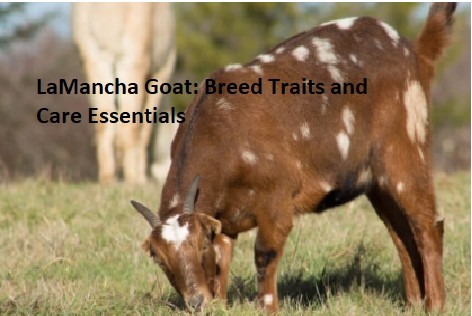
The LaMancha goat is a unique American dairy breed instantly recognizable by its distinct lack of external ears. Developed through intentional breeding programs in the United States during the early 20th century, this animal has earned a reputation for its exceptional milk production and calm temperament.
Whether you are a small-scale homesteader or a commercial dairy operator, understanding the specific needs and genetic traits of these goats is vital for success. This article provides a deep look at their history, physical characteristics, and the practical requirements for maintaining a healthy, productive herd of these fascinating animals.
The most defining feature of a LaMancha goat is its ear structure, which is categorized into two specific types: the “gopher” ear and the “elf” ear. According to the American Dairy Goat Association, the gopher ear must be no longer than one inch in length, with little to no cartilage, while the elf ear can reach up to two inches. These ears are not a birth defect or a result of injury, but rather a deliberate trait bred into the lineage to create a distinct, hardy dairy goat.
Because the ear canals are so small, you must be extra vigilant about keeping the area clean and free of debris. Owners often find that this feature makes them easier to handle, as there are no large ears to get caught in fences or equipment.
The history of the breed is a fascinating study in selective breeding for dairy performance. While the name sounds Spanish, the breed was actually developed in the United States by Eula Fay Frey in the 1930s. She crossed Spanish goats with various Swiss dairy breeds like Alpines and Toggenburgs to capture high milk yields.
The result was a goat that could thrive in diverse American climates while producing high-quality, butterfat-rich milk. Today, the breed is recognized for its ability to remain productive even in harsh winters, provided they have adequate shelter and high-quality forage.
When evaluating a LaMancha goat for your farm, pay close attention to their physical build and temperament. These goats are medium-sized animals, typically standing about 28 to 30 inches at the withers. They are known for being exceptionally gentle, making them a popular choice for 4-H projects and families with children.
Their bodies are well-muscled and sturdy, which supports their high milk output throughout a long lactation cycle. Breeders look for a straight back, strong legs, and a well-attached udder when selecting stock for a dairy program.
Managing a herd requires a solid understanding of their dietary and housing needs. These animals are browsers, not grazers, meaning they prefer to eat shrubs, tree leaves, and weeds rather than just grass. You must provide them with a high-quality hay source during the winter months to maintain their body condition.
A mineral block specifically formulated for goats is essential to prevent deficiencies in copper, selenium, and zinc. Without proper mineral supplementation, you will likely see a decline in milk production and overall vitality within your herd.
Housing for these goats should be draft-free, dry, and well-ventilated to prevent respiratory issues. Because they lack standard ears, they are sometimes perceived as more sensitive to cold, but their dense coats generally provide enough protection in moderate climates.
You should provide at least 15 square feet of indoor space per goat to prevent overcrowding and stress. Clean bedding, such as wood shavings or straw, must be rotated regularly to keep the barn environment sanitary and odor-free.
The following table compares the typical milk production and physical dimensions of the LaMancha breed against common dairy alternatives.
| Breed | Avg. Weight (Lbs) | Milk Fat Content | Temperament |
|---|---|---|---|
| LaMancha | 130–150 | 3.9%–4.5% | Calm/Docile |
| Alpine | 135–160 | 3.0%–3.5% | Active/Alert |
| Nubian | 135–175 | 4.5%–5.0% | Vocal/Stubborn |
Health maintenance for this breed involves a regular schedule of vaccinations and parasite control. Because they are prone to internal parasites like barber pole worms, you should conduct regular fecal egg counts to guide your deworming strategy. Never use a dewormer without professional confirmation of the parasite load, as resistance is becoming a major issue in small ruminant husbandry.
Hoof trimming should occur every six to eight weeks to prevent rot and structural imbalances. Keeping a close eye on their overall body condition score will help you catch health issues before they become chronic problems.
Breeding and kidding represent the most intensive periods for a goat owner. A doe will typically have a gestation period of about 150 days. You should prepare a clean, private area for the doe to give birth, ensuring she has access to fresh water and warm energy supplements immediately following labor.
The kids should receive colostrum within the first hour of life to boost their immune systems. Monitoring the kid’s weight gain is a simple way to ensure the mother is producing enough milk and that the youngsters are thriving.
Selecting the right breeding pair is critical for improving your herd over time. Look for bucks that come from strong milking lines and have excellent conformation. You want to avoid breeding animals with significant structural faults, as these traits are highly heritable.
Many breeders keep detailed records of milk production, kidding ease, and temperament to make informed decisions for the next generation. By focusing on these metrics, you can build a highly efficient and profitable dairy operation over the course of several years.
Common items required for a successful goat setup:
-
- Sturdy, non-climbable fencing at least 48 inches high
-
- A dedicated milking stand with a head catch
-
- Stainless steel milk pails and filters for hygiene
-
- A specialized mineral feeder that keeps supplements dry
-
- A weather-resistant shelter with elevated sleeping platforms
-
- Basic medical kit including antiseptic spray and thermometer
Frequently Asked Questions
Are LaMancha goats good for beginners?
Yes, they are widely considered one of the best breeds for beginners because of their calm and affectionate nature. They are less flighty than many other dairy breeds, which makes the learning curve for milking and handling much less intimidating for new owners.
Do the ear types affect their hearing?
Despite their small size, a LaMancha goat has excellent hearing and typically responds well to vocal commands. There is no evidence to suggest that their unique ear structure impairs their ability to sense their environment or interact with their herd mates.
How much milk can an average doe produce?
A well-bred doe in her prime can produce between 1.5 and 3 gallons of milk per day depending on her diet and stage of lactation. The milk is known for having a high butterfat content, which makes it excellent for producing artisan cheeses, yogurts, and soaps.
Do they require special fencing?
Like all goats, they are clever and persistent, so you need high-quality fencing to keep them contained. Woven wire “no-climb” fencing is the industry standard for this breed, as it prevents them from getting their heads stuck in the squares.
Are they prone to specific health issues?
They are generally robust, but like all dairy goats, they can be susceptible to Caseous Lymphadenitis (CL) and Caprine Arthritis Encephalitis (CAE). It is crucial to source your goats from herds that test negative for these diseases to maintain the health of your own operation.
The long-term success of raising these animals depends on your commitment to consistent daily care and proactive health management. Whether you are interested in the LaMancha goat for its high-quality milk or simply for its gentle personality, the breed offers a rewarding experience for those willing to invest the time. By maintaining high standards for their nutrition, housing, and breeding, you ensure that your herd remains productive and healthy for years to come.
Remember that observation is your greatest tool; by spending time in the barn each day, you will learn to spot the subtle signs of health or illness that keep your goats thriving. As you continue your journey, keep detailed records and seek out mentorship from local agricultural extensions to further refine your management practices.
