

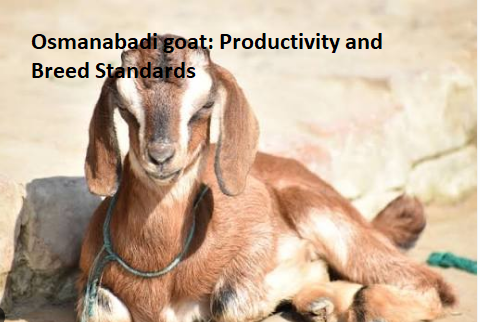
The Osmanabadi goat is a highly resilient breed native to the Latur, Osmanabad, and Tuljapur regions of Maharashtra, India. Farmers prize this animal for its exceptional ability to thrive in arid climates while maintaining consistent meat production.
Understanding the specific physiological traits and economic potential of the Osmanabadi goat is essential for anyone looking to enter the small ruminant industry in semi-arid zones. This article provides a detailed breakdown of the breed’s performance metrics, management requirements, and market value to help you make informed agricultural decisions.
Weight and Growth Performance Metrics
The primary question for many farmers involves the growth rate and final weight of the Osmanabadi goat. Under standard grazing conditions with minimal supplemental feeding, a healthy male typically reaches a weight of 25 to 30 kilograms by the time it is 8 months old. If the animal receives concentrated feed and intensive management, these figures can increase significantly.
At 12 months, a well-fed male Osmanabadi goat often weighs between 35 and 40 kilograms. Female goats, known as does, generally maintain a slightly lower body mass, typically peaking at 30 to 35 kilograms as adults. These figures are crucial for calculating your projected returns, as the breed is primarily raised for meat consumption.
Growth is highly dependent on the quality of fodder provided during the first year of life. When access to high-protein legumes and clean water is consistent, the daily weight gain can average between 60 and 80 grams. This efficiency makes the breed a reliable choice for farmers who need predictable growth cycles.
Key Physical Characteristics
The breed is easily identified by its distinct physical appearance, which serves as an adaptation to the harsh environment of the Deccan Plateau. Most individuals possess a coat that is predominantly black, although variations with white or brown patches do occur. Their hair is typically coarse and short, allowing them to remain comfortable even in the intense heat of the Indian summer.
One of the most notable features of the Osmanabadi goat is its stature and build. They are medium-sized animals with a compact body, long legs, and a sturdy frame that supports active foraging. Their ears are usually medium-sized and drooping, a trait common in many tropical goat breeds.
Both males and females are horned, with the horns generally curving backward and upward. The breed is also known for its strong constitution and resistance to many common caprine diseases, which reduces the need for expensive veterinary interventions. This natural hardiness is a major reason why the breed remains a favorite among rural smallholders.
Economic Value and Market Pricing
Pricing for an Osmanabadi goat varies significantly based on age, weight, and the specific region in which the sale takes place. In major agricultural hubs like Pune, a healthy, adult male ready for slaughter can command a price between 8,000 and 15,000 Indian Rupees. Show-quality specimens or breeding bucks may fetch even higher prices depending on their pedigree and physical conformation.
Market demand usually peaks during festive seasons when meat consumption increases across the region. Farmers who time their production cycles to align with these holidays often secure a premium price for their livestock. It is important to monitor local market trends, as prices in rural markets can differ from those in urban centers.
Transportation costs and the distance to the nearest livestock market also play a role in the final profit margin. Many producers now opt for direct-to-consumer sales or wholesale contracts with local butchers to avoid the volatility of public auction yards. Establishing a consistent supply chain is the most effective way to stabilize your income from these animals.
Comparison with Other Breeds
When evaluating the Osmanabadi goat against other popular breeds like the Salem Black, the choice often comes down to your specific climate and goals. The Osmanabadi is arguably superior for extremely dry, drought-prone areas due to its legendary foraging capabilities. It maintains its body condition even when grazing resources are sparse, whereas other breeds might lose weight rapidly under the same conditions.
The following table highlights how the breed compares to other regional varieties in terms of key performance indicators:
| Feature | Osmanabadi Goat | Salem Black Goat |
|---|---|---|
| Primary Use | Meat Production | Meat and Skin |
| Climate Adaptation | High (Arid/Semi-Arid) | Moderate (Tropical) |
| Average Adult Weight | 35-40 kg | 30-35 kg |
| Disease Resistance | Excellent | Good |
While the Salem Black is highly valued for its high-quality leather and skin, the Osmanabadi goat is often preferred for pure meat yield. If your objective is rapid biomass accumulation in a challenging environment, the Osmanabadi is the more robust selection. Always consult with local extension officers at the Indian Council of Agricultural Research to verify which breed is best suited for your specific micro-climate.
Reproductive Efficiency and Breeding
The reproductive cycle of the Osmanabadi goat is one of its most profitable assets for small-scale farmers. Does are known for their high fertility rates and the ability to produce twins or even triplets in a single kidding season. This prolificacy allows a small herd to expand rapidly within just a few years of initial investment.
An average doe will reach sexual maturity at approximately 8 to 10 months of age. Under good nutritional management, they can produce two kidding cycles within a 15-month period. This rapid turnover is essential for maintaining a steady cash flow and ensuring the herd remains productive throughout the year.
Proper buck management is vital to maximize these results. A single, healthy breeding buck can effectively service a flock of 25 to 30 does. Rotating your bucks every two years is a recommended practice to prevent inbreeding and maintain the genetic vigor of your herd.
Foraging and Feeding Strategy
Osmanabadi goats are natural browsers rather than grazers, which means they prefer to eat leaves, shrubs, and weeds over short grass. This feeding behavior makes them highly efficient at utilizing marginal land that would otherwise be unproductive. They are capable of stripping vegetation that other livestock might ignore, making them excellent land managers.
However, relying solely on open grazing is rarely enough for commercial success. Supplementing their diet with agricultural byproducts like groundnut haulms, wheat bran, or pulses can drastically improve their growth rates. A simple, balanced ration ensures that the goats maintain optimal health and reach market weight faster.
Water management is equally critical to their success. Despite their hardiness, these animals require access to clean drinking water at least twice a day. Dehydration will immediately manifest as reduced appetite and a decline in overall weight gain, impacting your bottom line.
Housing and Infrastructure Needs
Providing adequate shelter is the best way to protect your investment from predators and extreme weather. A simple, elevated shed with a slatted floor is ideal for an Osmanabadi goat flock. The elevated floor allows manure and urine to fall through, which keeps the living area dry and significantly reduces the risk of hoof rot and internal parasites.
Your shed should be well-ventilated to prevent the buildup of ammonia from waste accumulation. A space requirement of roughly 10 to 12 square feet per adult goat is sufficient to prevent overcrowding. Overcrowded conditions lead to stress, which in turn increases the susceptibility of the herd to respiratory infections.
Internal partitioning is another helpful design element. You should have separate enclosures for pregnant does, nursing kids, and the breeding buck. This setup allows you to manage feeding schedules more effectively and prevents the accidental breeding of young, immature does.
Common Health Management Practices
While the Osmanabadi goat is naturally hardy, regular preventative care is the cornerstone of a successful operation. A strict vaccination schedule is required to protect against common diseases like Peste des Petits Ruminants (PPR) and Enterotoxaemia. Work with a local veterinarian to establish a calendar that aligns with the disease prevalence in your specific district.
Deworming is another essential task that should not be overlooked. Internal parasites are the silent killers of goat herds, often leading to stunted growth and poor coat quality. Implementing a rotational deworming strategy, combined with fecal testing, will ensure your animals stay healthy and continue to gain weight efficiently.
Foot care is also important, particularly during the monsoon season. Regular trimming of hooves prevents the development of infections that can make it difficult for the goat to forage. By keeping the herd clean and monitoring them daily for signs of lethargy or loss of appetite, you can catch and treat illnesses before they spread to the rest of the flock.
Frequently Asked Questions
What is the main speciality of the Osmanabadi goat?
The breed is primarily recognized for its extreme hardiness and ability to thrive in arid, drought-prone environments. It is highly valued for its consistent meat production and high fertility rates, making it a reliable choice for commercial and subsistence farmers.
How much does an Osmanabadi goat weigh at 8 months?
A well-managed Osmanabadi goat typically weighs between 25 and 30 kilograms at 8 months of age. This weight can be higher if the animal is provided with high-quality supplemental feed and intensive care.
Which is better, the Osmanabadi or the Salem Black goat?
The choice depends on your goals and location. The Osmanabadi is generally considered better for meat production in dry, harsh climates due to its superior foraging ability, while the Salem Black is often preferred in regions where high-quality skin and leather production are a priority.
What is the price of an Osmanabadi goat in Pune?
The price for an adult male in the Pune market generally ranges from 8,000 to 15,000 Indian Rupees. Prices fluctuate based on the animal’s weight, age, health, and current demand during festive seasons.
How often should I vaccinate my herd?
You should follow a standard annual or bi-annual vaccination schedule as prescribed by your regional veterinary department. Common vaccines for this breed include those for PPR, foot-and-mouth disease, and enterotoxaemia to maintain herd health.
Conclusion
Investing in an Osmanabadi goat offers a practical path for those looking to engage in sustainable and profitable livestock farming. By focusing on consistent feeding, proper shelter, and proactive health management, you can maximize the growth potential of this resilient breed. The ability of the Osmanabadi goat to adapt to arid landscapes ensures that it remains a cornerstone of rural agricultural economies.
As you begin or expand your herd, remember that the most successful farmers are those who prioritize the welfare of their animals through daily observation and careful planning. Start by securing healthy foundation stock from a reputable breeder and observing the local market dynamics to ensure your long-term success in the goat industry.
