

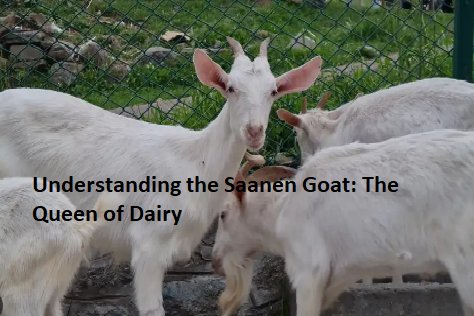
The Saanen goat is widely recognized as the preeminent dairy breed in the caprine world, prized for its exceptional milk production and gentle temperament. Originating from the Saanen Valley in Switzerland, this breed has been exported globally to support commercial and homestead dairy operations.
Understanding the specific needs, physical traits, and production capabilities of this animal is essential for any prospective or current breeder. By examining the history and biology of the Saanen goat, you can determine if this productive, white-coated breed is the right addition to your farm or agricultural project.
When evaluating the primary purpose of the Saanen goat, the answer is clear: it is a dedicated dairy breed. Often referred to as the “Queen of Milk,” this breed holds the record for the highest volume of milk production among all goat breeds. A healthy, well-managed doe typically produces between 3 and 4 liters of milk per day during her peak lactation cycle.
In intensive commercial settings, some high-performing individuals have been known to produce even higher yields under optimal nutrition. Their milk is noted for having a lower butterfat content compared to breeds like the Nubian, making it highly versatile for drinking, cheese making, and yogurt production.
Physical Characteristics and Temperament
The most striking feature of the breed is its solid white or light cream coat. While small spots of color on the skin are sometimes tolerated, the breed standard strictly favors a pure white appearance. These animals are medium to large in size, with does often weighing between 135 and 150 pounds when fully mature. Their ears are erect and point forward, giving them an alert and intelligent appearance. The facial profile is usually straight or slightly dished, contributing to a refined, dairy-like frame that is distinct from meat-heavy breeds.
Beyond their physical appearance, these goats are famous for their calm and tractable nature. They are generally less vocal and less flighty than many other dairy breeds, which makes them easier to handle in a milking parlor. This docile temperament is a significant advantage for small-scale farmers who may not have automated handling facilities.
Because they are so steady, they are often the preferred choice for beginners or those who milk their animals by hand. However, they still require consistent routine and social interaction to remain settled and productive.
Historical Origins and Development
The history of the Saanen goat traces back to the Saanen Valley of Switzerland, where local farmers selectively bred them for centuries to maximize milk output. These animals were developed to thrive in alpine environments where grazing resources were managed with precision. By the early 20th century, the breed had gained international attention due to its superior performance compared to native European landraces. They were systematically exported to countries including the United States, Australia, and New Zealand to improve local dairy herds through crossbreeding and purebred production.
This global migration led to the development of various regional strains, though the core characteristics of the Swiss original remain consistent. In the United States, the American Dairy Goat Association maintains strict registry standards to ensure the purity of the lineage.
These historical efforts have solidified the breed’s status as the backbone of the modern dairy goat industry. Breeders today continue to focus on longevity, structural soundness, and udder attachment to ensure that the animals remain robust for multiple lactation cycles.
Production Metrics and Dairy Efficiency
When you analyze the efficiency of a milking herd, the Saanen goat consistently outperforms its peers in terms of total volume. While other breeds might offer higher milk solids, the sheer quantity of liquid produced by this breed makes it the most economical choice for commercial processors. The lactation period for a well-maintained doe typically lasts between 280 and 305 days per year. During this time, the animal must be provided with high-quality forage and a balanced concentrate ration to sustain such heavy output.
The following table compares the typical production characteristics of the Saanen against other common dairy breeds:
| Breed | Average Daily Milk (Liters) | Butterfat Content (%) |
|---|---|---|
| Saanen | 3.5 – 4.5 | 3.0 – 3.5 |
| Nubian | 2.0 – 3.0 | 4.5 – 5.0 |
| Alpine | 2.5 – 3.5 | 3.2 – 3.8 |
| Toggenburg | 2.0 – 3.0 | 3.0 – 3.5 |
Nutritional Requirements and Management
Managing a high-producing dairy goat requires a strict adherence to nutritional science. Because they convert a large portion of their intake into milk, they are prone to metabolic stress if their diet is unbalanced. High-quality alfalfa or legume hay is the gold standard for providing the necessary protein and calcium levels. Additionally, they require access to clean, fresh water at all times, as milk production is highly dependent on hydration. Without adequate water, you will notice an immediate and significant drop in daily output.
Mineral supplementation is another critical aspect of keeping your herd in peak condition. A balanced loose mineral mix containing selenium and copper should be available free-choice, particularly in regions where the soil is deficient. You should also monitor the body condition score of your does throughout the year.
Keeping them at an ideal weight prevents issues like pregnancy toxemia during late gestation and ketosis during early lactation. For further guidance on best practices, you can consult the American Dairy Goat Association for detailed breed standards and health management resources.
Common Health Challenges
Despite their robust nature, these goats are susceptible to certain health issues that every owner should anticipate. Internal parasites are the most common threat, especially in humid climates where rotational grazing is not strictly managed. Implementing a fecal egg count monitoring program is far more effective than routine deworming, which can lead to chemical resistance. Furthermore, keeping the barn clean and dry is vital to prevent hoof rot and respiratory ailments. Ventilation is just as important as protection from the elements to ensure the animals stay healthy.
Mastitis is another concern for high-producing dairy animals. Because their udders are large and highly productive, they require careful monitoring for any signs of swelling, heat, or changes in milk consistency. Proper milking hygiene, including the use of teat dips and clean equipment, is the best defense against bacterial infections.
If you notice a decline in production or a change in the animal’s behavior, it is always best to consult with a veterinarian who specializes in small ruminants. Early intervention is the key to maintaining a long and productive life for your herd.
Selecting and Breeding Quality Stock
When you are looking to acquire a Saanen goat for your farm, pedigree and health history are the most important factors. Look for breeders who participate in DHI (Dairy Herd Improvement) testing, which provides documented evidence of a doe’s production capabilities. Do not be swayed solely by the animal’s appearance; focus on the udder structure, teat placement, and the length of the lactation cycle. A goat with a poor udder attachment will be difficult to milk and more prone to injury, regardless of her genetic potential.
Breeding decisions should be based on the goal of improving the next generation. If your focus is on increasing total volume, you should select bucks that come from high-producing maternal lines. Conversely, if you are looking to improve the structural soundness of your herd, pay attention to the conformation of the sire’s daughters.
Maintaining detailed records of breeding dates, kidding ease, and milk production will allow you to make data-driven decisions. This systematic approach is what separates professional dairy operations from casual hobbyists.
Frequently Asked Questions
What are the primary uses for Saanen goats?
They are primarily used for large-scale commercial dairy production due to their high volume of milk. Many homesteaders also keep them for personal milk, cheese, and yogurt production because of their gentle nature.
How do you pronounce Saanen?
The name is generally pronounced “Zah-nen,” reflecting its Swiss-German origins. The emphasis is typically on the first syllable.
Are Saanen goats considered the best breed for beginners?
Yes, they are often recommended for beginners because of their calm, friendly, and manageable temperament. Their steady nature makes the learning curve for milking and handling much less intimidating.
Do these goats require special shelter?
They require a dry, draft-free shelter that provides protection from extreme weather. While they are hardy, they do not handle cold, damp conditions well, which can lead to respiratory issues.
Can these goats be raised for meat?
While they are not a meat breed, the bucklings (male goats) can be raised for meat. However, they are typically less efficient at converting feed to muscle compared to dedicated meat breeds like the Boer.
Conclusion
The Saanen goat remains a cornerstone of the dairy industry because of its unmatched ability to produce high volumes of milk. By prioritizing proper nutrition, consistent health management, and careful breeding selections, you can build a productive and sustainable herd. Whether you are managing a small backyard operation or a larger commercial facility, the traits of this breed provide a solid foundation for success. Their calm demeanor and reliability make them a pleasure to work with, provided you meet their specific needs for care and stimulation. As you begin or continue your journey with this exceptional breed, focus on the data and the health of your animals to ensure long-term productivity. We invite you to share your experiences and continue learning about the nuances of goat husbandry to get the most out of your herd.
