

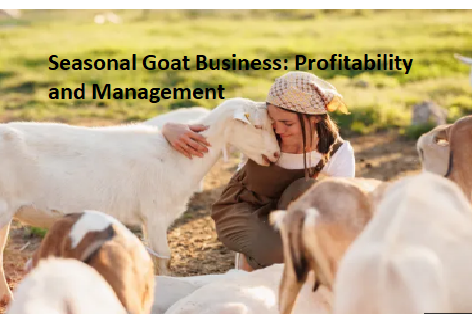
Starting a seasonal goat business allows producers to align their production cycles with high-demand periods like religious holidays or local fair seasons. By focusing on specific market windows, farmers can optimize their forage use and reduce the high overhead costs associated with year-round intensive feeding programs. Understanding the biological clock of your herd and the specific requirements of your target demographic is essential for turning a profit.
This article explores how to structure your operations, manage seasonal breeding, and maximize returns while avoiding common pitfalls in the industry. Whether you are scaling up or starting from scratch, success hinges on precise timing and market analysis.
Financial Realities and Profit Margins
The profitability of a seasonal goat business depends heavily on regional demand and the specific breed you choose to raise. Most producers find that profit margins tighten significantly during off-peak times when supply exceeds demand.
You should expect to see your highest revenue during periods like Eid al-Adha or the lead-up to spring holidays. According to data provided by the USDA Livestock Market News, prices for meat goats fluctuate based on weight and carcass quality, often peaking when inventory is lowest.
Profitability is rarely immediate for new operations due to initial capital expenditures for fencing and housing. A well-managed seasonal herd can return between 15% and 25% on investment once the infrastructure is established. You must account for variable costs such as parasite control, supplemental minerals, and transportation to auction houses.
Relying on pasture-based systems during the growing season significantly lowers the cost per head compared to confinement feeding.
Aligning Breeding with Market Demand
Success in this industry requires synchronizing your does’ reproductive cycles with the calendar of your primary buyers. Goats are naturally short-day breeders, meaning they typically cycle in the autumn as daylight hours decrease.
If you want to sell kids during a specific high-demand window, you must manage buck exposure or use synchronization protocols. Failing to time these cycles correctly often results in having market-ready animals when buyers are scarce, forcing you to hold them longer and eat into your margins.
Consider the following table comparing common market windows to typical breeding schedules:
| Event/Market Period | Ideal Breeding Window | Marketing Goal |
|---|---|---|
| Spring Holidays | August – September | Milk-fed kids (20-40 lbs) |
| Eid al-Adha | Varies by lunar calendar | Heavy weanlings (60-80 lbs) |
| Summer Fair Season | October – November | Yearlings or heavy kids |
| Fall Cull/Replacement | Year-round | Mature breeding stock |
Infrastructure and Land Requirements
Land management is a critical component of a sustainable seasonal goat business. While goats are adaptable, they require secure fencing to prevent predation and keep them within designated grazing paddocks. A standard rule of thumb is that you can support 6 to 10 goats per acre depending on the quality of your forage and your willingness to supplement with hay. Overstocking leads to soil compaction and increased parasite loads, which can devastate a herd in a single season.
Internal fencing should be modular to allow for rotational grazing, which breaks the lifecycle of internal parasites. Many successful producers use high-tensile electric netting because it is portable and highly effective at deterring coyotes or stray dogs. Ensure you have a central handling facility, even if it is rudimentary, to perform health checks and sort animals for market.
Proper infrastructure investments in the first year prevent costly losses during the peak shipping months.
Managing Health and Parasite Loads
Parasite control is the single biggest health challenge for any goat producer. Because goats are browsers, they tend to graze lower to the ground than sheep or cattle, making them susceptible to barber pole worms.
You should implement a FAMACHA scoring system to monitor anemia levels in your herd throughout the grazing season. This allows you to treat only the individuals that need medication rather than blanket-treating the entire group, which helps prevent drug resistance.
* Routine hoof trimming every 8-12 weeks to prevent foot rot.
* Mineral supplementation specifically formulated for goats to avoid copper toxicity.
* Strategic deworming based on fecal egg counts rather than a fixed calendar.
* Pasture rotation on a 21-day cycle to interrupt parasite larvae development.
Selecting the Right Breed
Your choice of breed should be dictated by your end product, whether that is meat, milk, or fiber. Boer goats are the gold standard for meat production due to their rapid growth rates and heavy muscling.
If you are targeting the dairy market, breeds like Nubians or Alpines offer higher volume and butterfat content. Some producers choose Kiko goats for their superior parasite resistance and hardiness in rugged, low-input environments.
Crossbreeding is a common strategy to capture the best traits of two different breeds. For example, crossing a Boer buck with a more parasite-resistant doe breed often results in offspring that grow quickly but maintain the mother’s hardiness. Always source your initial foundation stock from herds with known health histories.
Buying from a reputable breeder helps you avoid introducing diseases like Caseous Lymphadenitis (CL) or Caprine Arthritis Encephalitis (CAE) into your operation.
Marketing and Selling Your Stock
Direct-to-consumer sales often yield higher profit margins than taking animals to a public auction. Many producers find success by building a customer base that returns annually for specific holiday needs.
You will need to understand the cultural preferences of your buyers, as certain holidays require specific weights and body conditions. Always maintain clear records of your sales, including the buyer’s contact information, to facilitate repeat business in future years.
If you choose to sell through auction houses, be aware of the “shrinkage” that occurs during transport. Animals can lose 3% to 5% of their body weight during a long trailer ride, which directly reduces your payout. Time your transport so that animals arrive at the auction facility in the morning to minimize stress.
Establish relationships with local livestock buyers early in the season to understand what weight classes are currently in the highest demand.
Navigating Regulatory and Legal Requirements
Operating a seasonal goat business requires compliance with local agricultural and zoning laws. Depending on your location, you may need a permit for keeping livestock, especially if you are near residential areas.
If you plan to sell processed meat rather than live animals, you must follow strict USDA or state-level slaughter and inspection regulations. Most small-scale producers find it easier to sell live animals to end-users who then manage the processing themselves.
Tax documentation is another area where you should remain diligent. Keep receipts for all feed, veterinary supplies, and equipment purchases to substantiate your business expenses. Consult with a tax professional who understands agricultural deductions, as these can significantly impact your net profit at the end of the year.
Being organized with your paperwork will also simplify the process if you eventually apply for low-interest agricultural loans or government grants.
Scaling Your Operation Sustainably
Scaling too quickly is a common mistake that leads to increased mortality and overhead. Start with a small, manageable herd size to learn the nuances of your local climate and market demand.
Once you have mastered the seasonal breeding and health management protocols, you can gradually increase your doe numbers. Focus on improving the quality of your genetics through selective culling of underperforming animals.
Keep a detailed log of your kidding rates, weaning weights, and feed costs for every season. This data is the only way to identify which does are the most productive and which ones are not paying their way. A seasonal goat business is essentially an exercise in resource management; your goal is to convert grass and forage into the highest possible value.
By focusing on efficiency and quality, you can create a resilient operation that thrives regardless of market volatility.
Frequently Asked Questions
What is the best month to sell goats?
The best month to sell depends entirely on the religious or cultural calendars you are targeting. Generally, prices spike in the weeks leading up to Easter, Eid al-Adha, and the winter holiday season. You should research your local auction house trends to see when local buyers are most active.
Are goats a profitable business?
Goats can be profitable if you manage your input costs and target high-demand markets. Profitability is rarely accidental; it requires careful breeding management and a low-cost, pasture-based feeding system. Producers who minimize supplemental grain use typically see the best margins.
How many acres do I need for 100 goats?
You generally need between 10 and 15 acres for 100 goats, assuming high-quality forage and rotational grazing. If your land is rocky or has lower forage productivity, you may need significantly more space. Always prioritize the health of your pasture to prevent overgrazing.
How much are goats selling for right now?
Market prices fluctuate daily based on weight, breed, and physical condition. You can check current regional pricing by visiting the USDA Livestock Market News website. Expect to see higher prices for heavy, well-muscled kids compared to lightweight or cull animals.
Do I need a license to start a goat farm?
Most regions do not require a specific “goat license,” but you must comply with local zoning ordinances regarding livestock density. If you intend to sell raw milk or processed meat, you will need to meet specific state and federal health department regulations. Always check with your local agricultural extension office for specific requirements in your county.
Managing a seasonal goat business requires a balance of biological timing, financial discipline, and consistent market research. By aligning your kidding schedule with peak consumer demand, you can significantly improve your bottom line and reduce the risks associated with year-round production. Focus on building strong, healthy foundation stock and maintaining high-quality pastures to keep your operational costs low.
As you gain experience, you will learn to anticipate market shifts and adjust your breeding cycles accordingly for better returns. Start small, track your expenses carefully, and prioritize the long-term health of your herd to ensure your operation remains sustainable and profitable for years to come. Your success in this field is built on the foundation of healthy animals and smart, timely decision-making.
