

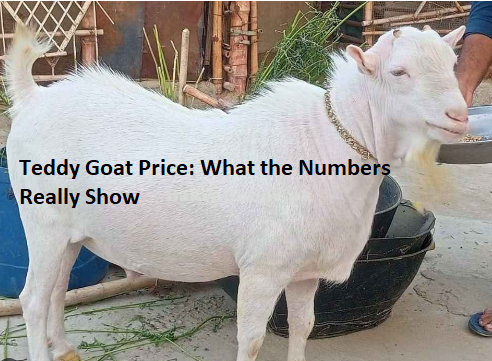
Understanding the current Teddy goat price requires looking at regional market dynamics and the specific breed characteristics that drive demand. These small, fluffy goats have gained significant popularity among hobbyist farmers and pet owners due to their distinct appearance and manageable size. Because they are often considered a niche or ornamental breed, their valuation fluctuates based on availability, pedigree, and local interest.
For those curious about the current Teddy goat price, a healthy, weaned kid typically ranges between $300 and $800 in the United States. High-quality breeding stock or animals with exceptional coat quality can frequently command prices exceeding $1,200. These figures reflect the investment required to source, raise, and maintain animals that meet specific breed standards for fluffiness and temperament.
Factors Influencing Market Valuation
The primary driver behind the Teddy goat price is the animal’s physical aesthetic. Breeders prioritize the dense, curly, and soft coat that gives the breed its signature name. Goats that exhibit superior fiber quality often fetch a premium compared to those with coarser or patchy coats.
Genetic history plays a massive role in how much a seller can ask for a specific kid. Animals with documented lineages from well-known breeders are almost always priced at the higher end of the spectrum. This pedigree provides buyers with a level of assurance regarding the goat’s future size, health, and characteristic fluffiness.
Age is another critical component in determining the final transaction amount. Kids are generally priced higher because they are easier to train and bond with, making them attractive to families. Mature breeding does or proven bucks may carry a different price tag, often influenced by their reproductive history rather than just their visual appeal.
Regional Variations and Availability
Geography significantly impacts how much you might pay for these animals. In areas where the breed is well-established, such as parts of the Midwest or specific pockets of the East Coast, the Teddy goat price tends to be more competitive due to a higher density of breeders. Conversely, in regions where these goats are rare, transportation costs and scarcity can drive prices upward.
Small-scale hobby farms often set prices based on the cost of feed, veterinary care, and the time invested in socializing the animals. If a breeder is not a large-scale commercial operation, they may price their goats to cover their own expenses rather than aiming for maximum market profit. You should always account for potential travel or shipping costs when calculating your total budget.
Local demand also dictates the price floor in rural versus suburban settings. In suburban areas where people keep goats as pets, the willingness to pay for a “cute” or “exotic” animal is often higher. You might find that prices in specialized agricultural classifieds are lower than those found on general pet-selling platforms.
Comparing Teddy Goats to Other Breeds
When evaluating the cost of a Teddy goat, it is useful to compare them to more common dairy or meat breeds. Most standard farm goats, such as Boers or Alpines, typically sell for significantly less, often between $150 and $400. The Teddy goat serves a different market, which explains why the price gap exists.
The table below provides a rough comparison of current market valuations for various goat types. Note that these are estimates for healthy, registered stock.
| Breed Type | Estimated Price Range | Primary Purpose |
|---|---|---|
| Standard Meat Goat (Boer) | $150 – $350 | Commercial Meat Production |
| Standard Dairy Goat (Alpine/Nubian) | $200 – $500 | Milk Production |
| Teddy Goat (Pet/Ornamental) | $300 – $1,200 | Pets, Hobby, Exhibition |
| Miniature Silky Fainting Goat | $400 – $900 | Pet/Show |
Health and Maintenance Costs
Acquiring the animal is only the beginning of the financial commitment. A responsible owner must factor in ongoing veterinary expenses, such as vaccinations, deworming, and hoof trimming. These routine costs can add up to $100 to $200 per year per goat, even if the animal remains healthy.
Housing and infrastructure requirements also influence the total cost of ownership. Teddy goats require secure fencing, a dry shelter, and appropriate bedding to keep their coats in good condition. Investing in high-quality hay and mineral supplements is essential to ensure the coat remains soft and the goat stays in peak condition.
For more information on the specific dietary and husbandry needs of small ruminants, you can refer to the USDA Animal and Plant Health Inspection Service guidelines. Following these standards helps prevent costly health issues that could otherwise inflate your long-term expenses. Ignoring these requirements often leads to higher vet bills and reduced life expectancy for the animals.
Strategies for Finding Fair Pricing
Finding a reputable breeder is the most effective way to ensure you are paying a fair price. Avoid purchasing from unknown online sellers who cannot provide health records or proof of breed origin. A legitimate breeder will be transparent about their pricing structure and willing to answer questions about the goat’s lineage.
Networking within local goat clubs or Facebook groups can provide valuable insights into what others in your area are paying. These communities often share information about upcoming litters and average price ranges. This helps you avoid overpaying for an animal that does not meet breed standards.
Consider these key steps when evaluating a potential purchase:
-
- Request a copy of the registration papers or pedigree documents.
-
- Ask for proof of vaccination and recent deworming treatments.
-
- Visit the farm in person to observe the living conditions of the herd.
-
- Inquire about the temperament of the parents to predict the kid’s behavior.
-
- Compare prices from at least three different breeders in your region.
The Role of Breeding Quality
Not all Teddy goats are created equal in the eyes of the market. Breeders often categorize their stock into “pet quality” and “show quality” tiers. Pet quality animals may have minor flaws in their coat density or color patterns, making them more affordable for the average buyer.
Show quality goats are held to a much higher standard and are priced accordingly. These animals are often kept for breeding programs, meaning their value is tied to their potential to produce offspring with equally desirable traits. If you are not planning to breed or show your goat, you can save money by specifically seeking out pet-quality stock.
Be wary of sellers who claim an animal is “show quality” without providing a justification. High-end valuation should be backed by physical attributes or competition results. If a seller cannot articulate why their goat is priced at the top of the market, it is often a sign to look elsewhere.
Long-term Value and Investment
While the initial price is a significant hurdle, the long-term value of a Teddy goat is often measured in companionship and the joy of ownership. Unlike livestock raised for production, these goats are usually viewed as long-term family assets. Their lifespan typically ranges from 10 to 15 years, provided they receive proper care.
If you choose to enter the breeding market yourself, the initial cost of a high-quality doe can be seen as a capital investment. Selling a few high-quality kids over the years can help recoup your initial expenses. However, this requires a significant commitment to time, marketing, and animal welfare.
Managing your expectations regarding profitability is important for new owners. Most hobbyists find that the costs of feed, vet visits, and housing outweigh the income generated from selling offspring. Approach this as a hobby first, and any financial return should be considered a secondary benefit rather than a primary goal.
Frequently Asked Questions
What is the typical lifespan of a Teddy goat?
Most healthy Teddy goats live between 10 and 15 years. Their longevity depends heavily on the quality of their diet, access to veterinary care, and their living environment.
Are Teddy goats difficult to keep healthy?
They require the same basic maintenance as other goat breeds, including regular vaccinations and hoof care. Their thick coats do require occasional brushing to prevent matting, which can lead to skin issues if left unmanaged.
Do I need more than one goat?
Yes, goats are herd animals and will become stressed or depressed if kept alone. It is highly recommended to keep at least two goats to ensure they remain happy and healthy in a social setting.
Can I find Teddy goats at livestock auctions?
It is possible, but rare to find high-quality examples at general livestock auctions. You are much better off purchasing directly from a specialized breeder where you can verify the animal’s health and pedigree.
What is the difference between a pet-quality and show-quality Teddy goat?
Show-quality goats meet strict breed standards for coat texture, density, and physical structure. Pet-quality goats are healthy and friendly but may have minor aesthetic variations that make them unsuitable for formal exhibition.
Conclusion
Navigating the market for these unique animals involves balancing your budget with the quality of the livestock you intend to bring home. While the Teddy goat price can vary widely based on pedigree, age, and regional availability, starting with a clear understanding of what contributes to these costs will help you make an informed decision.
Focus on finding a reputable breeder who prioritizes animal welfare and transparency. By doing your research and preparing for the ongoing costs of care, you can enjoy the companionship of these charming animals for years to come. Whether you are looking for a show-quality breeding animal or a simple pet, being well-informed is the best way to ensure a successful and rewarding experience.
