

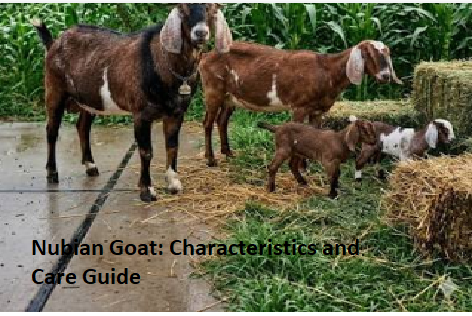
The Nubian goat is easily one of the most recognizable dairy breeds in the world due to its distinctively long, pendulous ears and convex Roman nose. These animals are prized by small-scale farmers and commercial operations alike for their high-butterfat milk production and calm, social temperaments.
If you are considering adding this breed to your homestead, understanding their specific physiological needs and behavioral traits is essential for success. This article explores the unique qualities of the Nubian goat, providing insights into their size, milk quality, and overall suitability for your farm or backyard setting.
The primary reason breeders favor the Nubian goat is the exceptional quality of its milk. While some breeds produce a higher volume of liquid, the Nubian consistently leads in butterfat content, which often ranges between 4% and 5%. This richness makes their milk ideal for producing high-quality cheeses, yogurt, and creamy butter.
Furthermore, these goats are known for a longer lactation period compared to many other dairy breeds. Owners can expect a healthy doe to produce anywhere from 1,500 to 2,500 pounds of milk per year, depending on her genetics and nutritional intake.
Physical Characteristics and Size
The most striking feature of the Nubian goat is undoubtedly its ears. They are long, wide, and hang down past the animal’s muzzle, providing a unique aesthetic that sets them apart from the upright-eared Swiss breeds.
Beyond their ears, they possess a convex facial profile, commonly referred to as a Roman nose. These structural traits are part of the breed standard established by organizations like the American Dairy Goat Association to maintain the integrity of the lineage.
In terms of physical stature, the Nubian is a large, sturdy animal. A mature buck typically stands at least 30 inches tall at the withers, while a mature doe reaches at least 28 inches. Weight varies significantly based on age and diet, but a full-grown buck can easily weigh between 150 and 250 pounds.
Does are slightly smaller, usually weighing between 135 and 160 pounds. Their frames are muscular and designed for both dairy production and general hardiness in diverse climates.
Temperament and Social Behavior
Nubians are frequently described as the “aristocrats” of the goat world, but they are also known for being quite vocal. They communicate frequently with their owners and other herd members, which can be a charming trait or a nuisance depending on your proximity to neighbors.
They are highly social creatures that do not thrive in isolation. Keeping a single goat is generally discouraged, as they require the companionship of at least one other goat to remain emotionally balanced and stress-free.
Because of their high intelligence and curiosity, these goats require secure fencing and mental stimulation. They are masters of escaping poorly maintained enclosures, often using their agility to find weak points in gates or wire.
They tend to form strong bonds with their human handlers, often acting more like dogs than livestock. This friendliness makes them excellent candidates for 4-H projects or family-run farms where daily interaction is part of the routine.
Nutritional Needs and Feeding
A healthy diet is the cornerstone of high milk production in the Nubian goat. These animals require access to high-quality forage, such as alfalfa or orchard grass hay, to maintain their body condition.
During the milking season, their energy requirements increase significantly, necessitating the addition of a balanced concentrate or grain mix. Providing free-choice minerals is also non-negotiable to prevent deficiencies in copper, selenium, and zinc.
Water intake directly impacts the volume of milk a doe produces. A lactating Nubian can drink several gallons of water per day, especially during the hot summer months.
Ensuring that their water source is clean and accessible at all times is essential for their overall health. If the water is stagnant or dirty, they will likely drink less, which immediately results in a drop in milk output.
Housing and Shelter Requirements
While they are hardy, Nubians are not as cold-tolerant as some mountain-dwelling breeds. They require a dry, draft-free shelter that provides protection from rain, snow, and extreme wind.
A simple three-sided shed is often sufficient in mild climates, but in regions with harsh winters, a fully enclosed barn is recommended. Bedding should be kept dry and clean to prevent foot rot and respiratory issues caused by ammonia buildup from urine.
Ventilation is just as important as protection from the elements. Moisture buildup inside a barn can lead to pneumonia and other health complications.
Good airflow at the top of the barn helps carry away humidity without creating a direct draft on the goats’ backs. Maintaining clean bedding and proper drainage around the barn foundation will keep your herd healthy and comfortable throughout the year.
Health Management and Maintenance
Maintaining a healthy herd requires a proactive approach to veterinary care. Routine hoof trimming is necessary every 4 to 8 weeks, as overgrown hooves can lead to lameness and permanent structural issues.
Parasite management is another critical aspect of Nubian husbandry. Because goats are prone to internal parasites like barber pole worms, regular fecal testing and targeted deworming are standard practices for responsible owners.
Vaccinations should be discussed with a local veterinarian who understands the specific disease pressures in your region. Most owners choose to vaccinate against Clostridium perfringens types C and D, as well as Tetanus.
Keeping records of these treatments is helpful for monitoring the health history of each individual animal. Below is a summary table comparing the general needs of a Nubian goat versus other dairy breeds.
| Feature | Nubian Goat | Standard Swiss Breeds |
|---|---|---|
| Milk Butterfat | High (4-5%) | Moderate (3-3.5%) |
| Vocalization | Very High | Low to Moderate |
| Cold Tolerance | Moderate | High |
| Climate Suitability | Heat Tolerant | Cooler Climates |
Breeding and Milking Cycles
Managing a breeding program requires careful planning to ensure a steady supply of milk. Nubians are seasonal breeders, typically coming into heat as the days grow shorter in the autumn.
Gestation lasts approximately 150 days, meaning that kids are usually born in the spring. If you intend to milk the does year-round, you may need to stagger breeding times, though this can be difficult due to their natural biological rhythms.
Milking should be performed at consistent times each day to maintain production levels. Most owners milk their goats twice daily, once in the morning and once in the evening.
Proper hygiene, such as cleaning the teats before and after milking, is essential to prevent mastitis. If you are new to milking, consider the following checklist to ensure you have the necessary equipment:
- Stainless steel milk pails for sanitation
- Teat dip to prevent bacterial infection
- Milking stand to secure the goat during the process
- Milk filters for straining debris
- Storage containers for refrigeration
Frequently Asked Questions
What is special about the Nubian goat?
The most notable characteristics of the Nubian goat are its high-butterfat milk production, its long and pendulous ears, and its vocal, friendly personality. They are often preferred for cheese-making because their milk is particularly creamy and rich compared to other dairy breeds.
How big is a full-grown Nubian goat?
A mature Nubian buck generally stands at least 30 inches tall and weighs between 150 and 250 pounds. A doe is typically at least 28 inches tall and weighs between 135 and 160 pounds, though these figures can vary based on individual genetics and nutrition.
Do Nubian goats make good pets?
Yes, they can make excellent pets due to their affectionate and social nature. However, they are livestock first and require significant space, proper fencing, and a companion of their own species. They are not suitable for indoor living and require a dedicated outdoor enclosure.
Do Nubian goats have good meat?
While primarily classified as a dairy breed, the Nubian goat produces high-quality meat. They are larger than many other dairy breeds, which results in a better meat-to-bone ratio when wethers (castrated males) are raised for food.
Are they loud?
Nubians are known for being more vocal than other breeds. They often bleat to communicate with their owners or other goats, especially during feeding time or if they feel lonely. Potential owners should consider the proximity of their neighbors before bringing them home.
Conclusion
Choosing the right breed for your farm is a significant decision, and the Nubian goat offers a compelling mix of productivity and personality. Their ability to produce rich, high-butterfat milk makes them a top choice for homesteaders interested in dairy products. While they do require more vocal attention and secure fencing than some other breeds, the bond they form with their handlers is often a rewarding experience for the dedicated owner.
If you are ready to start your journey, focus on sourcing healthy, registered stock from reputable breeders who prioritize temperament and milk production. Proper nutrition, consistent health maintenance, and a well-constructed shelter will ensure your herd thrives for years to come. Whether you are aiming for commercial production or personal supply, the Nubian goat remains a cornerstone of the dairy caprine world.
