

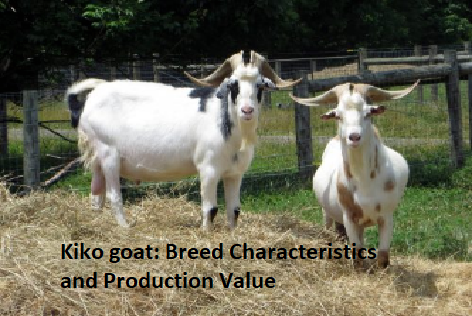
The Kiko goat has emerged as a premier choice for meat production due to its exceptional hardiness and survival capabilities in varied environments. Developed in New Zealand by crossbreeding feral goats with dairy breeds, this animal excels where others struggle, making it a favorite for sustainable livestock management.
Understanding the specific traits of the Kiko goat allows producers to optimize their herds for better growth rates and minimal medical intervention. Whether you are a small-scale hobbyist or a commercial farmer, these animals offer a practical solution for land management and protein production.
The primary value of the Kiko goat lies in its high growth rates and low maintenance requirements, even under harsh grazing conditions. These goats were specifically selected for their ability to thrive with little human intervention, a trait known as “survivability.”
You can expect a healthy Kiko doe to raise multiple kids to weaning age without the need for constant drenching or parasite treatment. This resilience translates directly to lower overhead costs for farmers who prioritize profitability through efficiency rather than intensive care.
Origins and Development of the Breed
The Kiko goat originated from a concerted breeding program in New Zealand during the 1980s. Breeders aimed to create a meat-producing animal from the large, feral populations that roamed the country’s rugged backcountry. By selecting only the most robust individuals that showed rapid growth and excellent mothering instincts, they established a distinct lineage.
This selective pressure focused on functional traits rather than aesthetic appeal or color patterns. The resulting animals were genetically predisposed to handle the challenging terrain of the Southern Alps. Because these ancestors had to forage for their own survival, the modern version retains a high degree of efficiency in converting forage into muscle.
Today, the breed is recognized globally for its ability to maintain condition on sparse vegetation. They are particularly valued in the United States and other regions where landowners seek to clear brush and manage invasive plant species. Their natural instinct to browse woody plants makes them an essential tool for land restoration projects while simultaneously producing a high-quality carcass.
Key Physical Characteristics and Size
When evaluating a Kiko goat for your farm, pay attention to their frame and muscling. They are typically medium to large in size, featuring a sturdy bone structure that supports rapid weight gain. A mature buck can easily weigh between 180 and 250 pounds, while does generally range from 120 to 160 pounds.
Their coat is usually short to medium in length, though it can thicken significantly during winter months. You will notice they come in a wide variety of colors, including white, black, tan, and various spotted combinations. Because the breeding program prioritized performance over coat color, there is no single “standard” look for the breed’s appearance.
One of their most notable features is their strong, sound hoof structure. Because they were bred in mountainous regions, they are less prone to foot rot than many other breeds. This structural integrity is a significant benefit in humid climates where hoof health is often a major concern for goat producers.
Comparing Meat Production Efficiency
The Kiko goat is widely considered a “meat breed” and is frequently compared to other popular choices like the Boer. While Boers are known for their massive frame and rapid growth, they often require more inputs and are more susceptible to internal parasites. Kikos offer a middle ground, providing a leaner, high-quality carcass with significantly less management effort.
The following table compares the typical management requirements of the Kiko against other popular meat breeds found in commercial settings.
| Characteristic | Kiko Goat | Boer Goat | Spanish Goat |
|---|---|---|---|
| Parasite Resistance | High | Low | High |
| Mothering Ability | Excellent | Good | Moderate |
| Growth Rate | Fast | Very Fast | Moderate |
| Input Costs | Low | High | Low |
As shown in the data, the choice between these breeds often comes down to your specific management style. If you have the resources for high-intensity feeding and medical care, you might choose the Boer. However, for those seeking a self-sustaining herd, the Kiko provides a more stable return on investment.
Parasite Resistance and Health Management
Perhaps the most significant advantage of the Kiko goat is its natural resistance to internal parasites. In many regions, the barber pole worm creates devastating losses for goat farmers. Kikos have developed a higher tolerance for these pathogens, meaning they don’t succumb to anemia as quickly as other breeds.
This resistance does not mean they are immune to parasites, but they require far fewer chemical treatments. You should still practice rotational grazing to keep pasture parasite loads at a manageable level. By reducing the frequency of deworming, you also lower the risk of developing drug-resistant parasite populations on your farm.
Health management for the Kiko is generally focused on basic preventative care rather than reactive treatment. Providing clean water, adequate trace minerals, and a good forage base is often all they need to thrive. For detailed information on herd health standards, you can visit the United States Department of Agriculture for ongoing research on small ruminant production.
Mothering Instincts and Reproductive Success
A major factor in the profitability of any goat operation is the number of kids that reach weaning age. Kiko does are renowned for their exceptional mothering abilities, often giving birth in the pasture with no human assistance. They possess strong instincts to hide their young and protect them from predators.
It is common for Kiko does to have twins or even triplets that they can raise successfully on their own. They have high milk production levels that support rapid kid growth during the critical first few months of life. This reliability reduces the labor burden on the farmer during the kidding season.
If you are looking to build a self-sustaining herd, keeping back your best-performing does is a standard practice. Because they are so consistent in their reproduction, you can quickly improve the overall quality of your herd over just a few generations. Their longevity is another asset, as many does remain productive well into their eighth or ninth year.
Essential Considerations for New Breeders
If you are considering starting a herd of Kiko goats, you must first assess your fencing and grazing resources. These goats are active foragers, meaning they will test your perimeter boundaries if they are not properly secured. Woven wire fencing is generally recommended to keep them contained and to keep predators out.
* Fencing: Use high-tensile woven wire to prevent climbing and pushing.
* Nutrition: Focus on high-quality browse and diverse pasture species.
* Minerals: Provide a loose, copper-fortified mineral supplement specifically for goats.
* Selection: Purchase breeding stock from reputable breeders who keep performance records.
* Record Keeping: Track weaning weights and kidding intervals to identify your top producers.
Start small to learn the temperament and specific needs of your animals before scaling up. Kikos are generally curious and friendly if handled regularly, though they are not as “clingy” as dairy breeds. They will respect your space if you establish a consistent routine for feeding and health checks.
Common Questions About the Breed
What is a Kiko goat good for?
The Kiko is primarily valued for commercial meat production and land management. Its ability to maintain weight on marginal forage makes it ideal for clearing brush while simultaneously producing a marketable, high-quality carcass.
How much does a Kiko goat cost?
Prices vary significantly based on pedigree, age, and individual performance records. You might find a starter doe for $300 to $500, while registered breeding bucks with documented growth statistics can command $800 to $1,500 or more.
How big does a Kiko goat get?
Adult bucks typically reach between 180 and 250 pounds, while does generally reach between 120 and 160 pounds. Their frame is sturdy and muscular, designed for efficiency in rugged environments.
Are Kiko goats friendly?
They are generally intelligent and alert, responding well to calm, consistent handling. While they are not typically as docile as dairy breeds, they are not aggressive and can become quite tame with regular interaction.
Why do people crossbreed Kikos?
Producers often crossbreed Kikos with other breeds like the Boer to add hardiness and parasite resistance to the offspring. This “hybrid vigor” often results in kids that grow faster and survive better than purebreds of more delicate lines.
Maximizing Production Potential
The Kiko goat represents a strategic choice for farmers who prioritize animal welfare and operational efficiency. By leveraging their natural hardiness, you can reduce medical costs and focus on improving pasture quality. Their ability to produce healthy, fast-growing kids with minimal intervention is a significant competitive advantage in the meat market.
As you begin your journey with these animals, focus on matching your herd size to your available land base. Keep clear records of every doe’s productivity to ensure you are only breeding the best candidates.
By maintaining high standards of care and selection, you will find that the Kiko goat is a reliable and profitable asset for your agricultural operation. Engage with local breeder associations to learn more about regional performance trends and to connect with other producers who share your commitment to quality livestock.
