

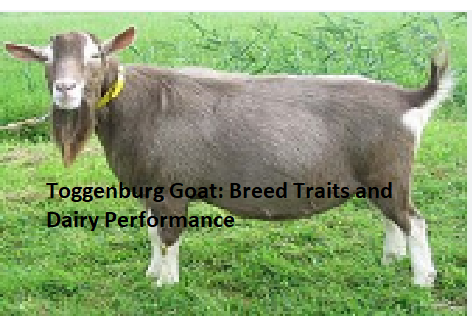
The Toggenburg goat stands as one of the oldest and most respected dairy breeds in the world, originating from the Toggenburg Valley in the St. Gallen canton of Switzerland. Known for its distinct coat color and reliable milk production, this breed has been a staple for smallholders and commercial dairies for centuries.
Breeders appreciate this animal for its calm temperament and ability to thrive in cooler, mountainous climates. Understanding the specific physical and behavioral traits of a Toggenburg goat helps prospective owners determine if this is the right addition to their farm or homestead. This article provides a deep dive into the history, performance, and care requirements of this hardy Swiss dairy animal.
What are the primary characteristics of a Toggenburg goat?
The Toggenburg goat is primarily recognized for its unique color pattern, which is strictly defined by breed standards. They are typically light fawn to dark chocolate in color, featuring distinct white markings on the ears, legs, and tail area.
You will notice a white triangle on each side of the face, starting from above the eyes down to the muzzle. These markings, often referred to as “Swiss markings,” provide a striking contrast against their short, soft, and fine hair.
Physically, the breed is considered medium-sized compared to other popular dairy goats like the Saanen or Alpine. A mature doe typically weighs between 120 and 150 pounds, while bucks often reach 150 to 200 pounds.
Their frames are sturdy and compact, reflecting their alpine ancestry which prioritized agility and endurance on rugged terrain. They possess a straight face, often with a slight dished profile, and erect ears that are held forward.
Milk production and quality
When evaluating a dairy goat, the volume and composition of milk are the most critical factors for any producer. A healthy, well-managed Toggenburg goat is known for steady, consistent production throughout a long lactation period.
On average, a doe will produce between 2,000 and 3,000 pounds of milk per year, depending on her specific lineage and nutritional intake. While some high-output breeds might peak higher, the Toggenburg is prized for the longevity of its milking cycle.
The milk itself is highly regarded for its chemical composition, which makes it ideal for cheesemaking and processing. It typically contains between 3.0% and 3.5% butterfat, which provides a rich flavor profile without being excessively heavy.
The smaller fat globules found in their milk are often cited as being easier for human digestion compared to cow’s milk. Many artisanal cheesemakers seek out this specific breed because the protein content is well-balanced, leading to excellent curd formation and yield.
Temperament and handling
The temperament of a Toggenburg goat is frequently described as calm, quiet, and docile, making them an excellent choice for beginners. They are generally less flighty than other dairy breeds, which simplifies daily chores like milking, grooming, and health checks. Their steady nature means they adapt well to routine, which is vital for maintaining high milk yields and minimizing stress in the barn.
Because they are intelligent and social animals, they thrive when handled with consistency and patience. They are known for being curious, often investigating their surroundings, but they rarely exhibit the aggressive or stubborn behavior seen in some other livestock breeds.
This manageable personality is a major reason why they remain a favorite for 4-H clubs and small-scale family farms. Proper socialization from a young age ensures that they remain easy to lead and handle as they mature into adulthood.
Historical origins and development
The roots of the breed reach back to the Toggenburg Valley in Switzerland, where they were selectively bred for centuries to withstand harsh alpine conditions. Local farmers required an animal that could graze on steep slopes while providing enough milk for household consumption and cheese production. This selection process favored animals that were efficient converters of forage, hardy, and structurally sound.
By the late 19th century, the breed began to gain international recognition as breeders in the United Kingdom and the United States imported foundation stock. These imports helped establish the breed standard that is still recognized by organizations like the American Dairy Goat Association.
The ability of the breed to adapt to diverse climates, from the humid regions of the American South to the cold winters of the Northeast, speaks to their genetic resilience. Today, they remain a significant part of the global dairy goat population, serving as a foundation for many crossbreeding programs.
Environmental adaptability and housing
While the Toggenburg goat is remarkably hardy, it performs best when provided with adequate shelter and a clean, dry environment. They are particularly well-suited to cooler climates, as their dense, short coats offer protection against wind and light precipitation. In warmer regions, they require significant shade and good ventilation to prevent heat stress, which can quickly drop milk production.
Housing for these goats should prioritize dry bedding and protection from drafts, especially during the winter months. A drafty barn can lead to respiratory issues, as the animals are sensitive to damp, stagnant air.
Providing a elevated platform or “sleeping bench” is a common practice, as these goats prefer to rest off the cold ground. Furthermore, their curiosity means that fencing must be secure; they are adept at finding weaknesses in wire or wooden barriers.
Nutritional requirements for performance
Achieving optimal milk production requires a balanced diet that accounts for the metabolic demands of lactation. A high-quality forage base, such as alfalfa or clover hay, should form the foundation of their daily intake. During peak lactation, supplemental grains or energy-dense concentrates are necessary to ensure the doe does not lose excessive body condition.
Water intake is frequently overlooked but is the most important factor in milk volume. A lactating doe will consume several gallons of water a day, and this water must be clean and accessible at all times.
Minerals, specifically copper and selenium, should be supplemented according to regional soil deficiencies, as these impact overall health and fertility. Regular monitoring of body condition scores allows a farmer to adjust feed rations before a drop in weight or milk production occurs.
Comparison of dairy goat traits
When choosing between breeds, it is helpful to look at how the Toggenburg compares to other common dairy animals in terms of size and production. The following table provides a general overview of characteristics across popular breeds.
| Breed | Average Weight (lbs) | Avg Butterfat | Temperament |
|---|---|---|---|
| Toggenburg | 120–150 | 3.0% – 3.5% | Calm/Docile |
| Saanen | 135–160 | 2.5% – 3.0% | Easygoing |
| Alpine | 130–155 | 3.0% – 3.5% | Alert/Active |
| Nubian | 135–170 | 4.0% – 5.0% | Vocal/Active |
Common health challenges
Maintaining a healthy herd requires vigilance regarding common goat ailments, particularly internal parasites. Because they spend much of their time grazing, goats are highly susceptible to barber pole worm and other gastrointestinal parasites. Implementing a rotational grazing system helps break the lifecycle of these pests and reduces the need for chemical dewormers.
Foot care is another essential aspect of herd management that owners cannot ignore. Overgrown hooves can lead to lameness, which in turn causes the animal to move less and eat less, directly impacting milk output.
A regular trimming schedule, usually every six to eight weeks, prevents these issues and allows for early detection of foot rot or other infections. Vaccination programs, tailored to the specific risks of the farm’s location, are also vital for protecting the herd against diseases like enterotoxemia and tetanus.
Key considerations for prospective owners
Before bringing a Toggenburg goat onto the property, there are several practical factors to consider to ensure success. These animals are herd creatures, meaning they should never be kept in isolation. A minimum of two goats is necessary to maintain their mental well-being and reduce stress.
* Space Requirements: Ensure you have at least 15–20 square feet of indoor space per goat.
* Forage Access: Provide enough pasture for rotational grazing to keep the ground clean.
* Milking Equipment: Plan for a dedicated, clean area to perform daily milking.
* Legal Compliance: Check local zoning laws regarding livestock in your specific residential or rural area.
* Vet Access: Identify a large-animal veterinarian who has experience with caprine health.
FAQ
Are Toggenburg goats friendly toward children?
Yes, they are generally known for being one of the most gentle and docile dairy breeds. Their calm temperament makes them suitable for family farms, though supervision is always recommended when children interact with any large livestock.
How much milk does a Toggenburg goat typically give?
A healthy, well-fed doe typically produces between 2,000 and 3,000 pounds of milk per year. This volume is spread across a long lactation period, making them very reliable for consistent daily production.
Do these goats require a lot of space?
While they are active, they do not require massive acreage if managed with rotational grazing. They are well-suited to small-to-medium-sized plots, provided they have secure fencing and adequate shelter from the elements.
Are they difficult to keep in the winter?
They are actually quite hardy in cold weather compared to other breeds, thanks to their thick, protective coats. As long as you provide a dry, draft-free shelter and plenty of high-quality hay, they handle winter conditions very effectively.
What is the most common health issue for this breed?
Like most goats, they are most vulnerable to internal parasite loads if they are kept on the same pasture for too long. Proper pasture management and regular hoof maintenance are the two biggest factors in keeping them healthy.
Conclusion
The Toggenburg goat remains a premier choice for those seeking a productive, manageable, and hardy dairy animal. Its reputation for longevity in milk production and a calm, cooperative disposition makes it a valuable asset for both hobbyists and professional dairies. By focusing on proper nutrition, consistent herd health practices, and secure housing, owners can expect years of reliable service from these unique animals.
Whether you are interested in the art of cheesemaking or simply want a steady supply of fresh milk, this breed offers a blend of historical resilience and modern utility. Starting with high-quality stock and establishing a sound management routine is the best way to enjoy the many benefits that the Toggenburg goat brings to a farm.
