

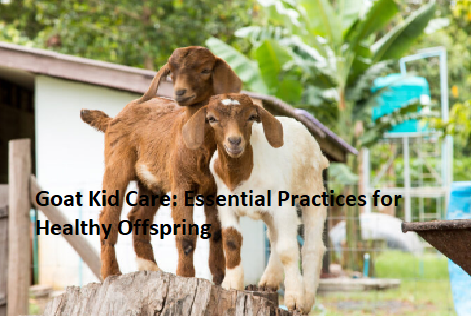
Proper goat kid care begins the moment a newborn hits the ground, as the first few hours are critical for long-term health and development. New owners often feel overwhelmed by the fragility of newborns, but focusing on colostrum intake, warmth, and monitoring for common illnesses creates a strong foundation.
By understanding the specific nutritional and environmental needs of young caprines, you can significantly improve survival rates and ensure your herd thrives from the very first day. This overview provides the technical steps and practical daily management habits required to raise vigorous, healthy kids on your farm or homestead.
Immediate Post-Birth Requirements
The most important factor in goat kid care is the prompt ingestion of colostrum. A newborn must receive this nutrient-dense, antibody-rich “first milk” within the first 2 to 4 hours of life to build an effective immune system.
Without this passive transfer of immunity, kids are highly susceptible to infections like pneumonia or scours. If the mother refuses to nurse or is unable to produce milk, you must intervene immediately by bottle-feeding or tube-feeding colostrum.
Warmth is your next priority, especially if the weather is damp or below freezing. A newborn goat lacks the body fat stores to maintain its temperature in cold conditions and can succumb to hypothermia rapidly.
Use a clean, dry towel to vigorously rub the kid, which stimulates circulation and dries the coat. If the environment is particularly harsh, provide a heat lamp, but ensure it is securely fastened and kept far enough away to prevent fire hazards or overheating.
Navigating Nutritional Milestones
Feeding schedules for kids vary depending on whether they are dam-raised or bottle-fed. Dam-raised kids typically nurse on demand, which is the most natural and least labor-intensive method for the owner.
However, you must monitor the udder to ensure both sides are being drained equally and that the kid is actually obtaining milk. If a kid is failing to thrive or appears weak, it may be getting pushed away by stronger siblings, requiring you to step in with supplemental feeding.
Bottle feeding requires strict adherence to a schedule to prevent digestive upset. A common mistake is overfeeding, which can lead to bloat or severe diarrhea, both of which are lethal in young animals.
Start with small, frequent feedings and gradually increase the volume as the kid grows. Always use a high-quality goat milk replacer or pasteurized goat milk, avoiding standard cow’s milk whenever possible due to the differences in fat and protein profiles.
Managing Health and Common Ailments
Monitoring for the “Big Three” issues—scours, pneumonia, and bloat—is the cornerstone of preventative care. Scours, or diarrhea, is the leading cause of death in young goats and is often caused by bacteria like E. coli or parasites like Coccidia.
You must keep the housing area scrupulously clean, as fecal contamination of bedding is the primary vector for these pathogens. If you notice a kid with a messy tail or lethargic behavior, isolate it immediately and seek veterinary guidance.
Pneumonia often strikes when kids are housed in drafty or damp barns. Poor ventilation allows ammonia levels to rise, which irritates the respiratory tract and creates an opening for infections.
Always prioritize dry bedding and ensure the barn has good airflow without direct drafts blowing onto the kids. If you hear any wheezing, coughing, or see nasal discharge, treat it as an emergency and consult a professional regarding appropriate antibiotic protocols.
Environmental Needs and Housing
Goat kids require a living space that is dry, draft-free, and easy to sanitize. Avoid using deep bedding that remains damp, as this provides a breeding ground for bacteria.
Straw or wood shavings are generally preferred, provided they are replaced frequently. A small, dedicated “kid pen” allows you to control the environment and ensures the kids have a safe area away from larger, more aggressive adults that might inadvertently step on them.
The transition from a warm barn to the outdoors should be gradual. Even if the weather seems mild, young kids need time to develop their winter coats and build up their stamina.
Start by allowing them outside for short periods during the warmest parts of the day. Ensure their outdoor area is securely fenced to protect them from predators like coyotes or stray dogs, which are a constant threat to young livestock.
The Role of Supplements and Forage
While milk is the primary food source for the first few weeks, rumen development begins early. You should offer high-quality, fine-stemmed hay to kids as young as one week old to encourage the growth of rumen papillae.
This helps the animal transition from a monogastric-like state to a functional ruminant. Keep a fresh, clean water source available at all times, as even young kids will begin to experiment with drinking water early on.
Mineral supplementation is a debated topic, but providing a loose goat-specific mineral mix is generally recommended. Avoid block minerals, as kids may struggle to get enough through licking and can damage their teeth.
Ensure the minerals are kept in a dry container, as moisture can cause them to clump and lose effectiveness. You can consult Penn State Extension’s guide on goat nutrition for detailed information on specific mineral requirements for your region.
Growth and Development Tracking
Keeping records is essential for effective herd management and identifying growth issues early. You should weigh your kids weekly to ensure they are consistently gaining weight.
A healthy kid should gain roughly 0.25 to 0.5 pounds per day depending on the breed and nutrition level. If growth stalls, it is often a sign of subclinical parasite load or nutritional deficiency that needs to be addressed before it becomes a major health crisis.
Use a simple notebook or a digital spreadsheet to track birth dates, weights, and any medications administered. This data helps you make informed decisions about which does to breed in the future and which kids are performing best. Keeping track of medical treatments also ensures you respect withdrawal periods for milk or meat, which is vital for food safety and responsible animal husbandry.
Data Comparison: Feeding Methods
Choosing between dam-raising and bottle-feeding depends on your goals, such as milk production or pet quality. The following table summarizes the typical trade-offs associated with these two common approaches to raising kids.
| Feature | Dam-Raised | Bottle-Fed |
|---|---|---|
| Labor Intensity | Low | High |
| Human Bonding | Low | High |
| Risk of Rejection | High | Low |
| Milk Income | Low | High |
Essential Supplies Checklist
Being prepared before the kidding season starts prevents panic and ensures you have the right tools on hand. Having a well-stocked kit allows you to address emergencies without delay. Here are the items every goat owner should have in their kidding barn:
- Iodine solution for dipping umbilical cords to prevent joint ill.
- Colostrum replacer or frozen stored colostrum from healthy does.
- A reliable digital thermometer for monitoring body temperature.
- Syringes and feeding tubes for assisting weak or rejected kids.
- Electrolyte packets for treating mild cases of dehydration.
- Small-sized, clean bottles with appropriate nipples.
- Nutrient-rich calf or kid starter pellets for weaning.
Frequently Asked Questions
Do baby goats need anything besides milk?
While milk provides the bulk of their nutrition, kids need access to fresh water and high-quality hay from their first week of life. Introducing these items early encourages the development of the rumen, which is necessary for their transition to a forage-based diet. You should also offer free-choice minerals once they start eating solid food regularly.
Is it hard to care for a baby goat?
Caring for kids is rewarding but requires vigilance and consistency. The difficulty depends largely on the mother’s ability to care for them and the environmental conditions of your barn. If you are prepared for the initial weeks of intensive monitoring, the process becomes much more manageable as the animals grow.
Can goats be left alone for a few days?
Newborns should never be left alone without supervision for more than a few hours at a time. They are highly susceptible to sudden health changes and require frequent feedings if they are being bottle-raised. Once they are older and weaned, they can be left for longer periods, provided they have a secure environment and constant access to food and water.
Can baby goats go all night without eating?
Young, healthy kids can generally go through the night without nursing if they have been well-fed during the day. However, sick or weak kids may require nighttime feedings to maintain their blood sugar levels. If a kid is failing to thrive, you should not assume it can survive a full night without supplemental nutrition.
Conclusion
Mastering goat kid care is a journey that balances clinical observation with practical animal husbandry. By maintaining a clean, dry, and draft-free environment, you eliminate the most common sources of illness before they start. Providing consistent nutrition and monitoring growth milestones allows you to catch potential issues early, ensuring that your herd remains healthy throughout the year.
Remember that every kid is an individual, and attentive care during their first few weeks will pay dividends in their long-term vitality. If you are just starting out, prioritize building your knowledge base and keeping your supplies ready for the busy season ahead. Feel free to reach out to your local agricultural extension for specific advice tailored to your climate and breed of choice.
