

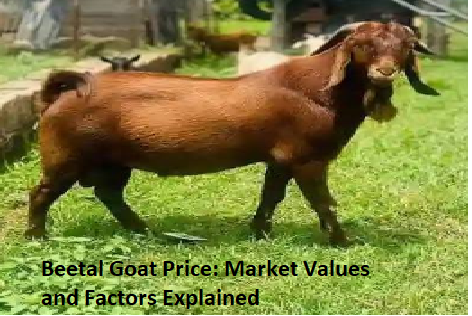
Understanding the current Beetal goat price is essential for any farmer or investor looking to enter the livestock market in South Asia, where this breed remains a gold standard for dairy production. While specific costs fluctuate based on age, weight, and pedigree, a healthy adult Beetal goat typically retails between $250 and $600 USD in primary markets like Punjab.
Prices often spike during festive seasons, such as Eid al-Adha, where high-quality breeding stock can reach premiums of $800 to $1,200 USD. This article breaks down the financial components of acquiring these animals, helping you navigate the market with confidence and clarity.
Direct Market Estimates
The Beetal goat price is rarely a static figure, as it is heavily influenced by the animal’s physical health, genetic lineage, and the local supply-demand cycle. For a standard, healthy adult female (doe) intended for milk production, you should expect to pay between $300 and $450. Males (bucks) selected for breeding purposes often command a higher price point, frequently starting at $500 and moving upward depending on their weight and conformation.
Younger kids or weaners are significantly more affordable, often ranging from $100 to $180. These younger animals require more investment in terms of time and feed before they provide a return on investment, which explains the lower entry cost. If you are looking at show-quality livestock or animals with documented pedigrees from reputable breeders, these figures can easily double.
The following table provides a rough estimate of current market valuations based on the animal’s classification and typical use case in the regional agricultural economy.
| Category | Estimated Price Range (USD) |
|---|---|
| Young Kid (3-6 months) | $100 – $180 |
| Adult Dairy Doe | $300 – $450 |
| Breeding Buck | $500 – $900 |
| Champion/Show Quality | $1,200+ |
Geographic Influence on Pricing
The Beetal breed originated in the Punjab region of India and Pakistan, which remains the primary hub for high-quality stock. Because this is the home territory, the Beetal goat price is generally more competitive here due to the sheer volume of available animals. Transporting these goats to other provinces or countries incurs significant logistical costs, which are naturally passed on to the buyer.
In regions outside of the Punjab heartland, you will likely encounter “middleman” pricing. Local dealers purchase animals from large-scale farms and transport them to secondary markets, adding a markup to cover fuel, veterinary inspections, and labor. If you want the best possible price, traveling directly to the source in the Punjab districts is the most effective strategy.
Local demand also plays a role in regional price variations. Areas with a high concentration of dairy-focused smallholders see more consistent pricing because Beetal goats are valued for their high milk yield. In contrast, urban areas might see higher prices due to the scarcity of quality livestock and the cost of maintaining them in city environments.
Impact of Pedigree and Genetics
When evaluating a Beetal goat price, you must consider the genetic background of the animal. A goat with a documented history of high milk production—often exceeding 3 to 4 liters per day—will always be priced higher than an animal with unknown parentage. Breeders who maintain strict registration records invest heavily in health monitoring and artificial insemination, and they charge for that assurance.
Physical conformation is another major factor in how sellers set their prices. The Beetal breed is known for its long, drooping ears and Roman nose, which are hallmarks of the breed standard. Animals that exhibit these traits more prominently are often classified as “elite” or “show quality,” fetching significantly more money than standard commercial stock.
You should always ask for proof of vaccination and lineage if you are paying a premium. Sellers who cannot provide documentation for the animal’s health status or breeding history should be approached with caution. Investing more upfront for a genetically superior animal often leads to higher profitability over the animal’s lifetime.
Seasonal Price Fluctuations
The livestock market, particularly for goats, is highly sensitive to religious and cultural calendars. The most significant spike in the Beetal goat price occurs in the weeks leading up to Eid al-Adha. During this time, demand for sacrificial animals causes prices to inflate by 30% to 50% compared to the rest of the year.
If you are buying for the purpose of starting a farm, it is wise to avoid purchasing during these high-demand periods. Instead, look for stock during the “off-season,” which is typically the period immediately following major holidays. You will find that breeders are more willing to negotiate prices when the market is quiet and they are looking to reduce their herd size.
Weather patterns and fodder availability also dictate seasonal pricing. During periods of drought, farmers may be forced to sell off parts of their herd to save on feed costs, leading to a temporary dip in prices. You can leverage these supply-side pressures to secure better deals if you have the resources to handle the immediate feed requirements.
Essential Costs Beyond the Purchase
The price you pay for the animal is only the beginning of your financial commitment. A sustainable operation requires ongoing investment in veterinary care, high-quality feed, and secure housing. You must factor these into your budget, as they are part of the total cost of ownership.
* Veterinary Care: Routine deworming and vaccination schedules are non-negotiable for maintaining the health of your herd.
* Feed and Nutrition: High-protein concentrates and green fodder are necessary to maintain the milk production levels for which Beetal goats are famous.
* Shelter Infrastructure: Proper ventilation and protection from predators are required to prevent stock loss.
* Transport Costs: Moving animals from a breeder to your farm requires specialized vehicles to prevent stress and injury.
Neglecting these maintenance costs will quickly erode the value of your initial investment. An undernourished goat will not meet its production potential, regardless of its pedigree. You can find detailed information on livestock management through the Food and Agriculture Organization of the United Nations for best practices in animal husbandry.
Evaluating Health and Physical Condition
Before finalizing any deal, perform a thorough physical inspection to ensure the Beetal goat price reflects the animal’s actual condition. Look for clear eyes, a shiny coat, and a steady gait. Avoid animals that appear lethargic or have visible signs of respiratory distress, as these issues can lead to expensive veterinary bills.
Check the teeth of the animal to determine its age, as this is a primary driver of value. A young, healthy doe in her prime will command a higher price than an elderly animal nearing the end of her productive cycle. Inspect the udder for any signs of mastitis or irregular structure, as these are critical for a dairy-focused operation.
Don’t be afraid to ask for a veterinary check-up before money changes hands. A professional opinion can save you from purchasing an animal with hidden health issues that are not apparent to the untrained eye. If a seller refuses a third-party inspection, it is a significant red flag that you should walk away from the transaction.
Negotiation Strategies for Farmers
Negotiating the Beetal goat price is a standard part of the process in most livestock markets. Do not accept the first price offered, as sellers often build in a margin for bargaining. Having a clear budget and knowledge of the current local market rates will give you the leverage you need to secure a fair deal.
Buying in bulk is one of the most effective ways to lower the per-animal cost. Breeders are often willing to offer volume discounts if you are purchasing a starter herd rather than a single animal. This strategy also helps you establish a relationship with a reliable supplier, which can lead to better pricing and advice in the future.
Always maintain a professional demeanor and be prepared to walk away if the price does not align with your research. There are always other opportunities in the market, and being patient is often better than overpaying for an animal that doesn’t meet your requirements. Being a well-informed buyer is your best defense against inflated prices.
Frequently Asked Questions
What is the average lifespan of a Beetal goat?
A well-maintained Beetal goat typically lives between 8 and 12 years. Their peak reproductive and productive years usually occur between the ages of 2 and 6.
How much milk can a Beetal goat produce daily?
On average, a high-quality Beetal doe can produce between 2 and 3 liters of milk per day. With superior genetics and proper nutrition, some individuals can reach up to 4 liters.
Are Beetal goats suitable for all climates?
They are highly adaptable to the hot and semi-arid climates of South Asia. While they can survive in other environments, they require protection from extreme cold and damp conditions.
What is the best age to buy a Beetal goat for breeding?
Purchasing a doe that is around 12 to 18 months old is usually best for new farmers. At this stage, they are ready for breeding and have a long productive life ahead of them.
Why is the price of Beetal goats higher than other breeds?
Their reputation for high milk yield and excellent meat quality makes them a dual-purpose breed. Their genetic resilience and historical popularity in the region drive high demand, keeping the price point elevated.
Final Thoughts
Securing a fair Beetal goat price requires a blend of market research, careful physical inspection, and strong negotiation skills. By focusing on the animal’s pedigree, age, and health status, you can ensure that your investment provides long-term value for your farming operation. Whether you are looking for a high-yield dairy doe or a top-tier breeding buck, understanding the factors that drive these costs is the foundation of your success.
Always prioritize quality over a bargain, as the health of your foundation stock will dictate the success of your entire herd. As you move forward with your purchase, keep these market insights in mind to make an informed and profitable decision.
