

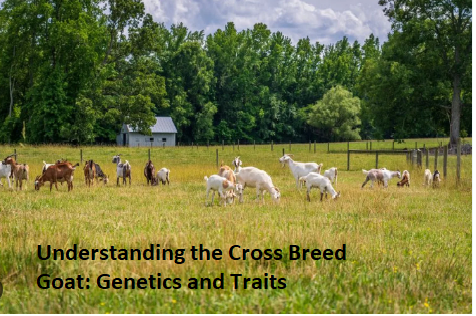
Selecting a cross breed goat for your farm requires understanding how different genetic lineages interact to produce specific traits like higher milk yield, better meat quality, or increased parasite resistance. By intentionally mixing distinct breeds, producers often aim to capture hybrid vigor, which can lead to animals that are more robust than their purebred ancestors. This article breaks down the practical realities of goat hybridization, helping you decide if this path is right for your herd management goals.
The primary answer to why farmers pursue a cross breed goat is the phenomenon of heterosis, or hybrid vigor. When you cross two genetically diverse parents, the offspring often exhibit superior performance in traits like growth rate, fertility, and survival compared to the average of the two parent breeds.
For example, a commercial producer might cross a high-milk-producing Alpine with a hardy, meat-focused Boer to create a dual-purpose animal that thrives in local conditions. This process is not about creating a new breed, but rather about optimizing the biological output of a single generation of livestock.
The Role of Heterosis in Herd Performance
Heterosis is most pronounced in traits with low heritability, such as reproductive efficiency and overall health. When you introduce fresh genetic material into a closed herd, you are essentially “resetting” some of the negative effects that can accumulate through long-term inbreeding.
Farmers often see a significant jump in the weaning weight of kids when they move from purebred to crossbred systems. This boost in productivity is why many commercial meat operations rely heavily on terminal crossbreeding programs.
Genetic Compatibility and Breeding Limits
While crossing different goat breeds is standard practice, there are biological limits to what can be achieved. It is a common misconception that goats can be cross-bred with any other ruminant, but this is rarely successful or advisable.
While some anecdotal reports exist of interspecies pairings, these unions are typically infertile or biologically impossible due to different chromosome counts. A goat possesses 60 chromosomes, whereas a sheep has 54, making successful hybridization between the two nearly non-existent in practical agriculture.
Managing Herd Genetics
Success in breeding programs depends on careful record-keeping and clear goals. If your objective is milk production, you must ensure that the cross breed goat retains the structural capacity for high output while gaining the hardiness of a range-adapted sire.
Without a plan, you might end up with an animal that has neither the milk production of the dam nor the meat conformation of the sire. Always prioritize the health and structural integrity of the animal over simple aesthetic variety.
Performance Comparison by Breeding Strategy
The following table illustrates the general differences in performance outcomes when utilizing different breeding strategies for meat and dairy production. These values represent typical expectations in a well-managed commercial setting.
| Breeding Strategy | Primary Goal | Expected Vigor | Consistency |
|---|---|---|---|
| Purebred | Breed Preservation | Low | High |
| Crossbreeding | Hybrid Vigor | High | Moderate |
| Terminal Crossing | Meat Weight | Very High | Low (for replacements) |
Practical Advantages of Hybridization
One of the most significant benefits of a cross breed goat is the ability to adapt to harsh environments. If you live in an area with high parasite pressure, crossing a standard dairy breed with a more resistant breed like the Kiko can drastically lower your veterinary bills.
These animals often inherit the “browser” instinct of their hardier ancestors, allowing them to better utilize native forage. This reduces your reliance on expensive grain supplements, which directly improves your profit margins at the end of the season.
Common Challenges and Disadvantages
It is important to acknowledge that not all crossbreeding results in a better animal. A major drawback is the loss of predictability, as you are combining two distinct sets of genetic traits that may not always blend harmoniously.
You might find that a crossbred animal has the temperament of one breed but the poor udder structure of another, making it difficult to manage in a dairy parlor. Furthermore, you cannot rely on the offspring of these crosses to consistently pass on the same benefits, which forces you to maintain the original purebred lines for future breeding cycles.
Record Keeping for Hybrid Success
To track the effectiveness of your breeding program, you must maintain detailed logs of every animal in your herd. This includes birth weights, growth rates, and health interventions, as these metrics confirm whether you are actually achieving the desired hybrid vigor.
Without data, you are merely guessing at which crosses are working for your specific climate and management style. The United States Department of Agriculture provides extensive resources on livestock genetics that can help you understand how these traits are inherited.
Key Considerations for New Breeders
* Define your end goal: Are you focusing on meat, milk, or fiber production?
* Assess local environment: Choose breeds that can handle your specific heat, humidity, or cold.
* Source quality stock: Even for crossbreeding, start with healthy, high-quality purebred parents.
* Plan for culling: Recognize that not every crossbred kid will meet your production standards.
* Monitor parasite resistance: Use FAMACHA scoring to see if your crosses are truly more resilient.
Selecting Parent Breeds
When selecting the parents for a cross breed goat, look for complementary strengths rather than just “averaging” the breeds. If you want a meat goat, pair a fast-growing, heavy-muscled breed with a mother who has excellent milking ability and mothering instincts.
This ensures the kids get the nutrition they need to reach their full genetic potential in the shortest amount of time. Never compromise on the health of the dam, as her ability to provide milk and carry a pregnancy is the foundation of your herd’s success.
Addressing Inbreeding Concerns
One of the secondary reasons farmers choose to cross-breed is to avoid the accumulation of recessive genetic defects. In small, closed herds, it is very easy for undesirable traits to become “fixed” within the population.
By introducing a different breed, you effectively mask these recessive genes with dominant, healthy ones. This is a standard practice in professional livestock management to ensure the long-term viability of the herd.
FAQ: Common Questions on Goat Genetics
Is it ever okay to breed two goats that share a father?
Linebreeding or inbreeding is a serious decision that should be avoided by most hobbyists. While some professional breeders use it to solidify specific traits, it also significantly increases the risk of expressing harmful recessive defects. Unless you have an expert understanding of the pedigree and the health history of both animals, it is safer to bring in an unrelated buck.
What specific breeds are most commonly used for crossbreeding?
Boer goats are almost universally used for meat-focused crosses due to their rapid growth rates and heavy muscling. For dairy, Saanen and Alpine breeds are frequently crossed to improve overall volume and temperament. Kiko and Spanish goats are often introduced into herds specifically to boost parasite resistance and general hardiness in pasture-based systems.
Can I expect my crossbred goats to be healthier?
Yes, you can often expect better health outcomes, provided the cross is compatible with your environment. The increased vitality from hybrid vigor often manifests as a stronger immune system and better resilience to common stressors. However, genetics cannot replace good management, clean housing, and proper nutrition.
Does crossbreeding affect the quality of milk or meat?
It can significantly alter the product, which is why it is used as a tool for improvement. A dairy cross might result in higher butterfat content if one parent contributes that trait, while a meat cross will likely improve the carcass yield. You should choose your breeds based on the specific market or personal consumption goals you have for your end product.
How many generations can I continue crossing?
Most commercial farmers use a terminal cross system, meaning they do not keep the offspring for future breeding. If you continue to breed hybrids to other hybrids, you lose the predictability of the traits and the benefits of hybrid vigor begin to dilute. It is generally best to return to your purebred foundation stock for the next generation of replacements.
Conclusion
Integrating a cross breed goat into your operation is a strategy that requires both foresight and consistent record-keeping to be truly effective. By focusing on hybrid vigor, you can achieve tangible gains in growth, resilience, and overall production that purebred lines might not offer in your specific local environment. Remember that the success of these pairings depends entirely on the quality of the parent stock you choose and your commitment to monitoring the results.
If you find that your current herd is struggling with specific environmental pressures or production ceilings, exploring these genetic combinations may provide the solution you need. We invite you to track your herd data closely and refine your breeding choices each season for better results.
