

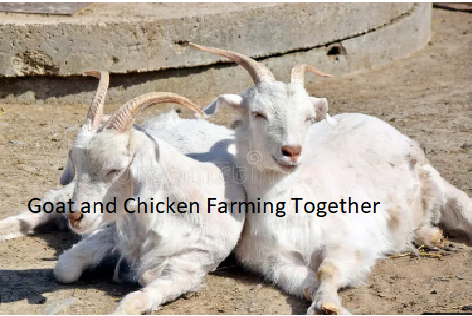
Integrating goat and chicken farming together creates a symbiotic environment that maximizes land efficiency while reducing overall maintenance chores. When managed correctly, these two species complement each other by occupying different niches in the ecosystem, effectively turning your backyard or pasture into a self-sustaining production hub.
You will gain insights into how their natural behaviors can lower your feed costs and improve soil health, provided you implement the right containment and health strategies. Understanding the specific physiological needs of each animal is the key to successfully running a dual-species operation on your property.
Can you keep these animals in the same space?
The short answer is yes, you can successfully manage goat and chicken farming together, but they require careful spatial planning. While they can share a pasture for foraging, they should almost never share the same sleeping quarters or indoor housing.
Goats are prone to respiratory issues if exposed to the dusty, ammonia-rich environment of a chicken coop, and chickens are easily crushed by a goat’s hooves. By providing separate shelters that are located near one another, you satisfy their social needs while maintaining the distinct hygiene requirements of both species.
Maximizing Pasture Efficiency
Goats and chickens utilize the land in fundamentally different ways, which is the primary driver of their compatibility. Goats are browsers, meaning they prefer to eat shrubs, tree leaves, and tall weeds rather than low-lying grass.
Chickens are foragers that scratch at the soil surface, consuming insects, larvae, and fallen seeds that goats might otherwise ignore. When you rotate them through the same pasture, you effectively clear vegetation from the top down and the bottom up simultaneously.
This dual-grazing approach significantly reduces the need for mechanical mowing or chemical weed control in your paddocks. Because chickens consume many of the parasite larvae that goats deposit in their manure, you can often see a reduction in the internal parasite load of your goat herd.
This natural form of biological control makes goat and chicken farming together a popular choice for sustainable smallholders. You must ensure the pasture size is sufficient to prevent overgrazing, which can lead to soil erosion and nutrient depletion.
Infrastructure and Housing Requirements
Building separate structures for your goats and chickens is non-negotiable for the long-term health of your animals. Goats require a sturdy, draft-free barn with high ventilation to stay healthy during damp winters.
Chickens need a secure, predator-proof coop equipped with nesting boxes and roosting bars that keep them off the ground at night. Placing these two structures within a shared, fenced-in perimeter allows the animals to interact during the day while giving them private, safe spaces at night.
Predator management becomes more complex when you combine species, as you are protecting against a wider variety of threats. Hawks and owls are a major concern for chickens, while foxes and coyotes will target both the birds and smaller goat kids.
Use heavy-duty hardware cloth rather than standard chicken wire to secure the coop, as predators can easily tear through thin mesh. An electric fence perimeter is often the most effective way to keep both goats contained and ground predators out of the shared area.
Feed Management and Nutrition
Managing feeding stations is one of the most technical aspects of keeping these species together. Goat feed, particularly grain mixes, can be toxic to chickens if it contains high levels of copper, which is essential for goats but harmful to poultry.
Conversely, chicken feed often contains medicated additives or high-protein crumbles that can cause severe digestive upset in goats. You must design feeding areas that restrict access based on the animal’s size and reach.
Elevated goat feeders that are high enough for the goats to reach comfortably will keep chickens from jumping in and making a mess. For the chickens, install a “chicken-only” zone using a small entry hole that allows the birds to squeeze through into a protected feeding area.
Providing clean, fresh water is also vital, and it should be placed in a location where the goats cannot tip it over or bathe in it. Following guidelines from the United States Department of Agriculture regarding livestock biosecurity will help you maintain a healthy, productive environment.
Health and Disease Prevention
The most significant health risk when combining species is the transmission of parasites and zoonotic diseases. Goats and poultry can both carry Salmonella, though it typically presents differently in each species.
Keeping their living areas clean and ensuring that manure is frequently cleared prevents the buildup of pathogens in the soil. You should also establish a strict quarantine protocol for any new animals entering the farm to prevent the introduction of respiratory illnesses.
Regular health checks are essential, as you need to monitor the goats for signs of coccidiosis and the chickens for mite or lice infestations. Because goats are curious, they may attempt to eat chicken bedding or spilled grain, which can lead to impaction or bloating.
Keep a close eye on their body condition scores; a goat that is losing weight while the chickens seem to be thriving may indicate that the birds are stealing the goat’s feed. Maintaining a balanced diet is easier when you observe their eating habits for at least fifteen minutes during feeding time.
Economic Comparison
Many smallholders choose this path to diversify their income or food sources. While goats provide milk, fiber, and meat, chickens offer a daily supply of eggs and a steady source of protein. Below is a comparison of the typical requirements for both, which helps in planning your budget and infrastructure.
| Factor | Goat Requirements | Chicken Requirements |
|---|---|---|
| Space per animal | 15–20 sq ft (indoor) | 3–4 sq ft (indoor) |
| Primary Feed | Hay, browse, minerals | Layer pellets, insects |
| Life Expectancy | 10–15 years | 5–8 years |
| Daily Care Time | High (milking/grooming) | Low (egg collection) |
Strategic Planning for Growth
When you begin goat and chicken farming together, start small to understand the specific dynamics of your unique landscape. A single goat and five chickens are enough to test your containment systems and your ability to manage the logistics of separate feeding.
As you scale up, you will need to invest in more robust fencing and potentially automated watering systems to manage the increased workload. Documenting your expenses, such as feed costs, vet bills, and infrastructure improvements, allows you to determine the true profitability of your operation.
* Daily: Collect eggs, check goats for signs of injury, and top off water.
* Weekly: Clean the chicken coop, rotate the goats to a new grazing patch, and check fence lines.
* Monthly: Perform deep cleaning of barns, audit feed supplies, and monitor animal weight gain.
* Annually: Schedule vaccinations, perform major equipment maintenance, and restock mineral blocks.
Common Pitfalls to Avoid
The most frequent mistake beginners make is assuming that because these animals are both farm livestock, they have the same social and biological needs. Goats are highly social herd animals that can suffer from extreme stress if kept alone, while chickens have a strict pecking order that can lead to bullying if the flock is too crowded.
Never introduce a single goat into a coop or a single chicken into a goat herd. Always ensure each group has enough members of its own species to feel secure and comfortable.
Another common error is failing to account for the destructive nature of goats. They will chew on everything from expensive fruit trees to the wood of your chicken coop, so you must provide them with safe alternatives like hanging mineral blocks or untreated wood logs.
If you do not provide enough mental stimulation, the goats will find their own, which usually involves destroying your infrastructure. Consistent training and the use of natural barriers can help guide their behavior away from your valuable assets.
Frequently Asked Questions
Can goats and chickens share the same water source?
Technically, they can, but it is highly discouraged. Goats often dirty their water troughs with mud or debris, which can lead to the growth of bacteria that are harmful to poultry. It is much better to provide separate water stations that are elevated for the chickens and sturdily mounted for the goats.
Do I need to worry about predators more with two species?
Yes, you have to consider that different predators target different animals. Hawks are a constant threat to chickens, while coyotes will go after both kids and adult birds. A well-designed fence that includes buried wire to prevent digging is essential for a dual-species setup.
Is it true that chickens eat goat parasites?
Chickens are excellent at scratching through goat manure and consuming fly larvae and some worm eggs, which can help break the parasite life cycle. However, this should not be your only method of parasite control. You still need to follow a proper deworming schedule recommended by your local veterinarian.
Can I keep goats and chickens in a small suburban backyard?
If your local zoning laws permit it, you can keep a small number of both, but you must be diligent about odor and noise control. Goats are vocal and require more space for exercise than the average yard provides. Always check your local ordinances regarding livestock density before bringing animals home.
How do I stop chickens from eating the goat’s grain?
The most effective method is to feed your goats in a dedicated, elevated stall where the chickens cannot jump. You can also use automatic feeders that are triggered by the weight or presence of a goat. Keeping the grain inside a secure bin when not in use is another simple way to prevent the chickens from free-feeding.
Conclusion
Success in goat and chicken farming together relies on your ability to balance the needs of two very different species while maintaining a clean, secure environment. By prioritizing separate housing, careful nutritional management, and consistent parasite control, you create a productive system that benefits from the unique strengths of both animals. The integration of these species turns your farm into a more efficient, self-regulating landscape that reduces waste and increases your overall output.
As you continue to refine your management techniques, you will find that the effort invested in planning pays off in healthier animals and a more rewarding farming experience. Start with a manageable number of animals, observe their interactions closely, and adjust your infrastructure to suit the specific temperament of your herd and flock.
