

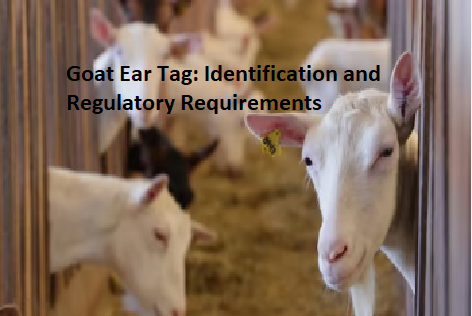
Managing a herd effectively requires accurate record-keeping, and the humble goat ear tag serves as the primary tool for individual identification in agricultural settings. Whether you are tracking health history, pedigree, or simply keeping track of your stock for management purposes, these small plastic or metal markers act as a vital link between the animal and your farm records. Understanding the different types of tags and their regulatory implications is essential for any goat owner looking to maintain compliance and improve their operation’s efficiency.
The cost of a basic goat ear tag generally ranges from $0.30 to $1.50 per unit, though prices vary significantly based on the technology embedded within them. Simple, non-electronic plastic tags are the most affordable, often selling for less than fifty cents in bulk.
If you opt for RFID-enabled tags, which allow for automated scanning and data entry, you should expect to pay between $2.00 and $5.00 per tag. Custom printing—adding your farm name or specific serial numbers—will typically add a small premium to the unit price.
Understanding Regulatory Scrapie Identification
In many regions, particularly the United States, the most critical reason for using a specific type of marker is the national scrapie eradication program. The United States Department of Agriculture (USDA) mandates that certain classes of goats must be identified with an official tag before they leave their herd of origin. This program helps trace the movement of animals to prevent the spread of transmissible spongiform encephalopathies.
You can learn more about these requirements through the official USDA APHIS animal disease traceability guidelines. These official tags are often provided free of charge by the state or federal government to producers who sign up for the program. Using these tags ensures you remain compliant with interstate commerce laws and simplifies the process of selling your livestock at auction barns.
Types of Ear Tags for Livestock
Producers have a wide variety of materials and designs to choose from when selecting identification systems. Plastic tags are the most common choice due to their flexibility, which reduces the chance of the tag snagging on fences or brush. They come in various sizes, from small “mini” tags suitable for kids to large, highly visible panels for adult bucks and does.
Metal tags provide a more permanent solution and are frequently used in long-term breeding programs where the tag must withstand harsh conditions. These are typically made from stainless steel or aluminum and are applied with a specialized plier that pierces the cartilage. While they are durable, they are harder to read from a distance compared to the bright, laser-printed plastic alternatives.
Comparing Identification Technologies
Choosing the right tag involves balancing cost against the level of data management you intend to implement on your farm. Manual tags require you to physically record the number into a ledger or spreadsheet, which is prone to human error. Electronic identification (EID) tags, however, transmit a unique code to a reader, ensuring that your digital records match the animal exactly.
| Tag Type | Average Cost | Durability | Data Entry Speed |
|---|---|---|---|
| Plastic (Non-RFID) | $0.30 – $0.80 | Moderate | Manual |
| Metal (Steel) | $0.50 – $1.00 | High | Manual |
| RFID Electronic | $2.00 – $5.00 | High | Automated |
| Custom Printed | $0.60 – $1.20 | Moderate | Manual |
Best Practices for Tag Application
Proper application is the most important factor in ensuring that a goat ear tag stays in the ear for the life of the animal. You should always use the specific applicator tool designed for the brand of tag you purchased. Using a different brand’s applicator can lead to incomplete closure of the pin, which causes the tag to fall out within weeks.
Sanitation plays a major role in preventing infection during the application process. Disinfect your applicator and the animal’s ear with an antiseptic spray or solution before piercing the skin. Place the tag in the middle of the ear, avoiding the major veins that run along the edges, to minimize bleeding and potential swelling.
Managing Herd Records
An ear tag is only as useful as the record-keeping system attached to it. Many successful breeders maintain a master file that tracks every individual by its tag number, birth date, dam, and sire. This allows for precise culling decisions based on actual performance data rather than guesswork.
* Birth date and age tracking
* Vaccination and health treatment logs
* Pedigree and lineage information
* Weight gain and milk production metrics
* Breeding and kidding history
Troubleshooting Common Issues
It is common to deal with lost tags, especially if your goats have access to wooded pastures or dense brush. If a goat loses its tag, you should re-tag it as soon as possible to maintain your records. If the tag was an official scrapie tag, you must follow specific reporting procedures if the original number cannot be verified.
Torn ears are another complication that can occur if a tag gets caught on a fence or a gate latch. To prevent this, ensure your fencing is well-maintained and free of protruding wire or sharp edges. If an ear does tear, treat the area with a topical antibiotic to prevent infection and allow the tissue to heal before attempting to apply a new tag in a different location.
Customization and Color Coding
Many farmers utilize color-coded systems to manage their herds more efficiently from a distance. For example, you might use yellow tags for all goats born in 2024 and blue tags for those born in 2025. This visual cue allows you to identify the age group of an animal without needing to get close enough to read the printed numbers.
Customization options extend beyond just colors; you can also print your farm’s contact information on the tag. This is particularly useful if your goats are kept in areas where they might occasionally escape onto a neighbor’s property. Having a phone number printed directly on the tag increases the likelihood that a lost animal will be returned to you quickly.
Frequently Asked Questions
What does an ear tag on a goat mean?
An ear tag serves as a unique identifier for an individual goat, allowing the owner to track health records, pedigree, and ownership. In many cases, it also serves as a regulatory requirement for animal disease traceability programs, specifically those related to scrapie.
How do I get ear tags for my goats?
You can purchase standard management tags from agricultural supply stores or directly from manufacturers. If you require official scrapie tags, you should contact your state’s animal health department or the federal USDA office to request them, as these are often provided to producers for free.
Can you sell a goat without a scrapie tag?
In many jurisdictions, selling certain classes of goats without an official scrapie tag is illegal or restricted. Requirements vary by state and by the age or purpose of the animal, so you should always check your local regulations before transporting or selling livestock.
Why do goats lose their tags so often?
Goats are curious animals that frequently rub against fences, trees, and brush, which can snag the tag and pull it out. Proper placement, avoiding major veins, and using the correct applicator are the best ways to minimize the rate of tag loss.
Are electronic tags worth the extra cost?
Electronic tags are highly beneficial for larger operations or those focusing on high-value breeding stock. The ability to quickly scan an animal and update its digital record saves significant time and reduces the risk of data entry errors compared to manual systems.
Essential Maintenance Strategies
The longevity of your identification system depends on your commitment to regular audits. Once every quarter, walk through your herd specifically to check the condition of every goat ear tag. Look for tags that are beginning to hang loose or those that have faded to the point of being unreadable.
Replacing a faded tag early is much easier than trying to identify an animal after the number has disappeared entirely. Keep a small supply of blank tags and a high-quality permanent marker on hand for quick field repairs. This proactive approach ensures that your herd remains fully documented, organized, and compliant with all necessary agricultural standards.
Maintaining a clear identification system is the backbone of any successful goat operation. By choosing the right type of goat ear tag for your specific needs, you streamline your daily management tasks and ensure the long-term health and security of your herd. Whether you are managing a small homestead flock or a large commercial enterprise, staying organized with these tools makes a measurable difference in your productivity.
Take the time to implement a consistent tagging strategy today, and your future record-keeping will be significantly easier to manage. If you have questions about specific requirements in your area, reaching out to your local agricultural extension office is the best next step to ensure you are meeting all legal and practical standards.
