

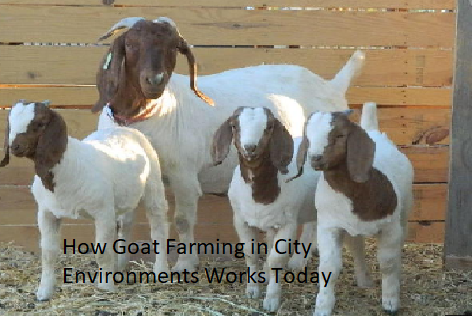
Practicing goat farming in city settings requires a careful balance between animal welfare and strict adherence to municipal zoning regulations. Many urban residents find that keeping a small herd provides a unique opportunity for sustainable food production while reconnecting with agricultural roots.
You can successfully operate a small-scale goat farm in a city if you have at least 150 to 200 square feet of space per animal and a permit from your local agricultural board. Most urban zones classify goats as livestock, meaning you must verify your specific property’s zoning status before acquiring your first kid.
Understanding Local Zoning and Legal Constraints
The legal landscape for livestock in urban areas is often the most significant barrier for prospective owners. Many cities have outdated ordinances that were written before the modern trend of urban homesteading gained popularity.
You should start by visiting your municipal planning department to request the specific zoning code for your parcel. Some areas allow goats as pets under “companion animal” clauses, while others strictly forbid any animal designated as livestock.
Failure to secure the correct permits can lead to immediate fines or a forced removal of your animals. Even if goats are permitted, there are often restrictions on the number of animals you can house based on the square footage of your lot.
Most urban codes also specify that you cannot house intact males, known as bucks, due to their strong scent and aggressive behavior during rut. You will likely be required to keep only does or wethers to minimize noise and odor complaints from neighbors.
Space Requirements and Infrastructure Design
Providing adequate space is the primary factor in maintaining animal health in a confined environment. Goats are naturally active and require room to forage, climb, and exercise their bodies.
A common industry standard for urban settings is providing at least 20 square feet of indoor shelter and 100 square feet of outdoor exercise space per goat. If you crowd your animals, you will quickly deal with mud, parasites, and destructive behavior.
Your fencing must be robust enough to prevent escapes while keeping predators out. A minimum height of 4 feet is necessary for most dairy breeds, though jumpers like Nubians may require 5 feet of physical barrier.
Use heavy-duty woven wire or cattle panels instead of chain-link, which goats can climb or catch their hooves in. Ensure that the bottom of your fence is flush with the ground to prevent kids from squeezing underneath.
Choosing the Right Breed for Urban Living
Not all goats are suitable for a backyard environment. Smaller, docile breeds are generally preferred because they require less feed and are easier to handle in tight quarters.
Nigerian Dwarf goats are the most popular choice for urban farmers due to their small stature and high-butterfat milk production. They typically reach a mature height of only 17 to 22 inches at the shoulder.
Pygmy goats are another option, though they are primarily kept as pets or for brush control rather than milk. They are hardy and adaptable but rarely produce enough milk for a household’s dairy needs.
If you have slightly more space, a crossbreed may offer the best of both worlds. Always prioritize animals that have been socialized by a breeder, as a skittish goat is difficult to manage in a residential neighborhood.
Managing Waste and Odor Control
Odor is the number one cause of conflict between urban farmers and their neighbors. A well-managed goat house should be nearly odorless, even in the middle of a dense city.
You must implement a daily cleaning routine to remove wet bedding and manure. Deep-bedding methods, where you layer straw over waste, can work if managed correctly, but they require constant monitoring to prevent ammonia buildup.
Composting your goat manure is a professional way to dispose of waste while creating a valuable resource for your garden. Goat manure is considered “cold,” meaning it can often be applied directly to garden beds without the long curing process required for chicken or cow waste.
Consider installing a ventilation system in your shelter to ensure fresh air circulates. If the air feels heavy or smells strongly of urine, your ventilation is likely insufficient for the number of animals you are housing.
Nutritional Requirements in the City
Unlike rural goats that have access to large pastures, urban goats depend almost entirely on the feed you provide. You must source high-quality hay to ensure they receive the necessary fiber for healthy digestion.
Alfalfa or high-quality grass hay should make up the bulk of their diet. You will also need to provide loose minerals, specifically designed for goats, to prevent deficiencies that can lead to hoof issues or reproductive failure.
Avoid feeding your goats lawn clippings, as these can contain pesticides or toxic ornamental plants. Many urban residents use their goats to clear invasive weeds, but you must be certain the vegetation is safe for consumption.
You can learn more about specific dietary safety standards by consulting the United States Department of Agriculture guidelines on small ruminant nutrition. Always ensure they have access to clean, fresh water at all times to prevent urinary calculi.
Economic Considerations and Income Potential
While many people enter this hobby for the lifestyle, some look to turn a profit. It is difficult to make a full-time living from a city lot, but you can certainly offset your costs.
Selling high-quality milk, soap, or goat cheese can provide a steady stream of income. You must, however, check your state’s “cottage food laws” to see if you are legally allowed to sell dairy products from your home.
| Expense Category | Estimated Annual Cost |
|---|---|
| High-Quality Hay | $300 – $500 |
| Grain and Minerals | $150 – $250 |
| Veterinary Care | $100 – $300 |
| Bedding and Supplies | $100 – $200 |
The table above illustrates the typical annual maintenance costs for a pair of small-breed goats. These figures exclude initial capital investments like fencing, shelter construction, and the purchase price of the animals.
Healthcare and Veterinary Access
Finding a veterinarian who treats livestock is notoriously difficult in urban areas. Most small animal vets are not equipped to handle goats, and large animal vets often refuse to make house calls within city limits.
You should establish a relationship with a mobile vet before you bring your goats home. Be prepared to transport your animals to a clinic yourself if an emergency arises, which requires owning a reliable trailer or a large vehicle.
Common health issues include internal parasites, which thrive in small, warm environments. You will need to learn how to perform fecal counts or find a lab that will process them for you.
* Perform regular hoof trimming every 6 to 8 weeks.
* Monitor body condition scores to prevent obesity.
* Keep a standard medical kit with electrolytes and antiseptic.
* Administer vaccines as recommended by local agricultural extension offices.
Community Relations and Conflict Resolution
Your neighbors are the most important stakeholders in your urban farm. A goat that bleats loudly at 5:00 AM or a fence that falls into disrepair will quickly turn the neighborhood against you.
Communicate your plans to your immediate neighbors before you start. Offering them extra milk or garden fertilizer can go a long way in building goodwill and ensuring they are supportive of your project.
Be mindful of the visual impact of your operation. Keep your property clean and organized, and ensure your shelter looks like an intentional structure rather than a pile of scrap wood.
If a complaint does arise, address it immediately and professionally. Most issues stem from a lack of information or a temporary problem that can be fixed with a bit of effort and transparency.
Frequently Asked Questions
Is goat farming in city environments actually profitable?
Profitability is usually marginal for small urban operations. Most owners find that the value comes from high-quality food security and education, rather than significant cash flow.
Can a goat live in the city without a large pasture?
Yes, provided you offer them enough space to exercise and a consistent supply of high-quality hay. They do not require vast acreage if their nutritional and physical needs are met through intensive management.
How much does it cost to buy two baby goats?
Prices vary significantly based on breed and pedigree. You can expect to pay between $200 and $600 for a pair of healthy, weaned kids from a reputable breeder.
How many acres do you need to raise 100 goats?
You cannot raise 100 goats in a standard city lot. Generally, you need at least 10 to 20 acres of well-managed pasture to sustain a herd of that size sustainably.
What are the biggest risks for city goats?
The biggest risks are toxic ornamental plants found in residential gardens and a lack of access to specialized veterinary care. Predators like stray dogs or coyotes can also pose a serious threat in some urban areas.
Urban agriculture represents a shift toward more conscious, localized food production. By choosing to practice goat farming in city spaces, you are participating in a tradition that requires patience, discipline, and a genuine commitment to animal well-being. Start small, focus on the needs of your animals, and always stay informed about your local regulations to ensure your project remains sustainable for years to come.
Engaging with your local agricultural extension office is a great way to find resources specific to your climate and city requirements. With the right preparation, you can enjoy the many rewards that come with raising these intelligent, curious animals in a residential setting.
