

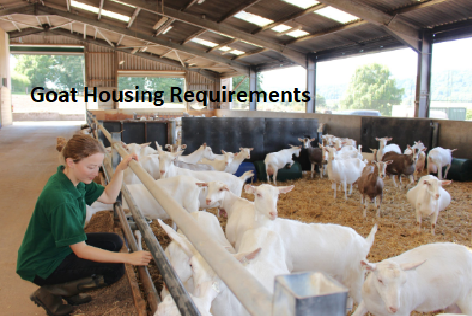
Meeting specific goat housing requirements is the most critical step in ensuring your herd stays healthy, productive, and safe from predators. While goats are hardy animals, they are notoriously sensitive to moisture, drafts, and extreme temperatures, making the design of their living quarters a matter of survival rather than mere convenience.
Whether you are keeping a small backyard herd or managing a commercial operation, understanding the fundamental needs of your animals will prevent costly mistakes and long-term health issues. This overview provides the essential data you need to construct a facility that supports the welfare of your goats throughout the seasons.
The primary goat housing requirements center on providing a dry, draft-free, and well-ventilated space for every animal in your care. For a standard dairy or meat goat, you should provide at least 12 to 15 square feet of indoor space per goat to prevent overcrowding and behavioral stress. If you are housing smaller breeds like Nigerian Dwarfs, you can safely reduce this to approximately 8 to 10 square feet per animal.
It is essential to ensure the shelter is elevated slightly above the surrounding ground level to prevent water runoff from pooling inside during heavy rains. Always orient the open side of the shed away from prevailing winds to maintain a comfortable internal climate.
Environmental Control and Ventilation
Proper ventilation is often misunderstood by new owners who equate a lack of airflow with warmth. Goats are highly susceptible to respiratory issues, and stagnant air trapped by moisture or ammonia fumes can lead to pneumonia.
You need to ensure that the highest point of your shelter allows for the escape of warm, moist air, even if the lower areas are sealed against drafts. A shed that is completely airtight will quickly become a breeding ground for bacteria and mold.
If you are building in a humid climate, cross-ventilation is your best defense against respiratory distress. Position windows or vents on opposite walls to encourage a gentle breeze that moves air without chilling the animals.
During the winter, you can close off lower vents, but you must keep the roof-line ventilation open to allow moisture to escape. If you see condensation forming on the walls or ceiling, your ventilation is insufficient and requires immediate adjustment to keep the goats healthy.
Flooring and Bedding Management
The floor of your goat shelter should be made of a material that is easy to clean and does not hold moisture. Packed earth or gravel works well if it is covered with a thick, absorbent layer of bedding that is replaced regularly.
Concrete floors are durable and hygienic, but they can be cold for goats to sleep on during the winter. If you choose concrete, you must use a thicker layer of wood shavings or straw to provide insulation between the animal and the cold surface.
Deep litter management is a common method for maintaining a dry floor in many barns. This involves adding a fresh layer of straw or wood shavings on top of the old, soiled layer instead of clearing it out entirely.
The bottom layer of the litter pack will generate a small amount of heat through natural composting, which helps keep the barn warmer during freezing months. You must monitor the litter closely for moisture buildup, as damp bedding will quickly lead to hoof rot and other parasitic infections.
Space Allocation for Different Herd Sizes
Understanding how much space you need depends on the age and size of the animals you intend to keep. Kids require less space individually but are more vulnerable to the elements and overcrowding than mature goats.
You should also account for the fact that a buck requires a separate, secure enclosure to prevent accidental breeding and aggressive behavior. The following table provides a quick reference for calculating your minimum indoor square footage requirements.
| Goat Type | Indoor Space Needed | Outdoor Exercise Area |
|---|---|---|
| Standard Dairy/Meat Doe | 12–15 sq. ft. | 200+ sq. ft. |
| Miniature/Pygmy Goat | 8–10 sq. ft. | 100+ sq. ft. |
| Buck (Separate Pen) | 20–25 sq. ft. | 300+ sq. ft. |
| Nursing Doe with Kids | 20–25 sq. ft. | 200+ sq. ft. |
Fencing and Perimeter Security
A shelter is only as effective as the perimeter that keeps the goats contained and predators out. Goats are notorious escape artists and can easily climb over or squeeze through gaps in standard livestock fencing.
You should use woven wire fencing, often called “no-climb” fencing, which features small gaps that prevent goats from getting their heads stuck. Avoid using barbed wire, as it can cause significant injury to the skin and teats of your animals.
Your fence should be at least 48 inches high to discourage jumping, especially for active breeds like Alpines or Saanens. If you have a high predator population, such as coyotes or stray dogs, consider adding a strand of electric fencing along the top and bottom of the wire.
A hot wire at the base will also prevent goats from rubbing against the fence and stretching the wire over time. You can find detailed guidance on perimeter safety from the eXtension Foundation, which provides research-backed livestock management resources.
Managing Interior Fixtures
The interior of your goat shed should be kept as minimalist as possible to reduce the risk of injury. Avoid using nails or rough-cut lumber that could snag on a goat’s coat or cause lacerations if they rub against the walls.
All feeders and water troughs should be secured at a height that prevents the goats from standing in them or fouling the contents. Goats are prone to head-butting, so ensure that any wall-mounted equipment is bolted firmly to structural studs rather than just the siding.
You should also include a secure area for storing hay and grain that is inaccessible to the goats. If goats gain access to their feed supply, they will likely overeat, which leads to life-threatening conditions like bloat or acidosis.
A simple partition or a locked storage bin within the shelter can save you from significant veterinary bills. Ensure that the storage area remains dry, as moldy hay is highly toxic to goats and can cause severe respiratory or digestive distress.
The Importance of Dryness
Goats have a natural aversion to rain and mud, which is a key factor in their housing requirements. They are not like cattle or sheep, which can often tolerate a light drizzle without much issue.
If a goat’s coat becomes soaked, it loses its insulating properties, and the animal can rapidly succumb to hypothermia even in moderate temperatures. Providing a roof that extends beyond the walls creates a “drip line” that keeps the immediate area around the shelter entrance dry.
If your property is prone to mud, you should invest in gravel or crushed stone for the area surrounding the shelter entrance. Mud is a major contributor to foot rot, a painful condition that causes lameness and requires intensive treatment.
By keeping the high-traffic areas around the barn dry, you significantly reduce the labor required to keep your goats’ hooves healthy. A small investment in drainage pipe or regrading the soil can save you hours of work during the rainy season.
Seasonal Maintenance Routines
Goat housing requirements change slightly with the arrival of summer versus winter. In the summer, your main goal is to shade the animals and provide maximum airflow to prevent heat stress.
If your barn becomes too hot, consider installing a large box fan that is securely mounted out of reach of the goats. You should also ensure that your water source is protected from direct sunlight to keep the water cool and palatable.
When autumn arrives, you must begin preparing for the cold weather. Check the roof for leaks, as even a small drip can create a wet spot that causes a goat to develop a chill.
Inspect the walls for gaps where cold air might be entering at floor level, which is where the goats sleep. If you live in an area with heavy snowfall, ensure that your roof is strong enough to bear the weight and that it is sloped to allow snow to slide off rather than pile up.
Common Mistakes to Avoid
Many owners make the mistake of assuming that a smaller shelter is better because it is easier to heat. While a small space is easier to warm, it quickly becomes overcrowded, which leads to increased humidity and fighting among the herd.
Always prioritize square footage over the ability to retain heat, as goats are well-equipped to handle cold if they have a dry, wind-free place to bed down. Overcrowding also makes it impossible to isolate a sick goat, which is a necessary practice during outbreaks of illness.
Another frequent error is the lack of a dedicated birthing area or “kidding pen.” If you plan on breeding your goats, you must have a clean, private space where a doe can give birth away from the rest of the herd.
This protects the newborn kids from being trampled or bullied by more aggressive animals. A small, portable stall that can be set up inside the main shed is often sufficient for this purpose.
Frequently Asked Questions
How high should my goat fence be to keep them in?
For most goat breeds, a fence should be at least 48 inches tall. If you are dealing with particularly athletic jumpers, a 5-foot fence provides a much safer margin of error.
Do I need to heat my goat shed during the winter?
In almost all cases, no. Goats grow a thick undercoat in the winter and prefer a cold, dry environment over a heated, humid one. Focus on keeping them out of the wind and dry, rather than adding artificial heat.
Can I house goats and chickens in the same building?
It is generally discouraged because chickens carry parasites and diseases that can be harmful to goats. Furthermore, chickens produce a lot of dust and dander, which can worsen respiratory issues in goats.
What is the best material for a goat floor?
Packed, well-drained dirt or gravel is the most common and cost-effective choice. It allows for natural drainage and, when topped with a thick layer of absorbent bedding, provides a comfortable and hygienic surface.
How often should I clean the goat shelter?
This depends on your stocking density and the type of bedding you use. If you use the deep litter method, you may only need to clean it out twice a year. If you use a thin layer of bedding, you should spot-clean daily and remove wet patches immediately.
Conclusion
Building the right environment for your animals is a foundational aspect of successful livestock management. By adhering to these goat housing requirements, you create a stable, healthy, and stress-free setting that allows your herd to thrive. Remember that while the structure itself is important, your daily management of hygiene, ventilation, and perimeter security will have the greatest impact on the long-term health of your goats.
Start with a solid plan that accounts for your specific climate and the number of animals you intend to keep. If you maintain these standards, you will find that your goats remain productive and resilient throughout the changing seasons. Reach out to local agricultural extension offices if you need advice specific to your regional climate.
