

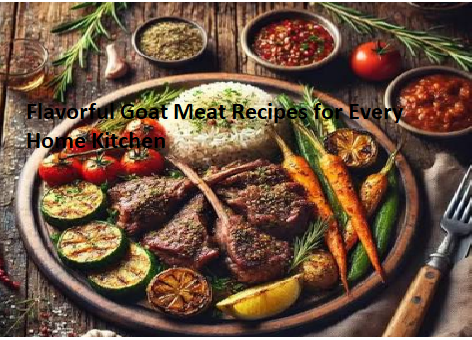
Exploring diverse goat meat recipes allows you to tap into a protein source that is both sustainable and incredibly nutrient-dense. While often overlooked in Western culinary traditions, goat is the most consumed red meat globally, cherished for its lean profile and deep, earthy flavor. By understanding how to properly handle and prepare this versatile ingredient, you can transform simple cuts into sophisticated meals that impress any dinner guest.
The best way to cook goat meat is through low-and-slow heat, such as braising, stewing, or slow-cooking, because the muscle fibers are leaner and more connective than those found in beef or lamb. Because goat has very little intramuscular fat, high-heat methods like grilling or searing can quickly dry out the meat unless it is marinated or thinly sliced. For the most tender results, aim for an internal temperature of around 165°F to 180°F, allowing the collagen to fully break down into gelatin.
Essential Preparation and Marination Techniques
Successful goat meat recipes always begin with proper preparation, as the meat’s unique composition requires specific handling to achieve a tender texture. Many chefs suggest soaking the meat in a mixture of water and vinegar or lemon juice for about thirty minutes before cooking. This process helps remove any excess gamey notes and cleans the surface of the meat, ensuring a clean flavor profile in your final dish.
Marinating is non-negotiable when working with tougher cuts like the shoulder or shank. Use acidic bases like yogurt, citrus juice, or wine to help tenderize the fibers over several hours or even overnight in the refrigerator. If you are using a dry rub, incorporate aromatic spices such as cumin, coriander, and smoked paprika to complement the naturally robust taste of the goat.
Popular Global Styles for Goat Preparation
The global popularity of this protein has resulted in a vast array of distinct regional preparations that define traditional goat meat recipes. In the Caribbean, for instance, curry goat is a staple dish that relies on a potent blend of Scotch bonnet peppers, allspice, and fresh thyme. The slow simmering process ensures the meat pulls away from the bone with minimal effort.
In contrast, Middle Eastern and North African traditions often highlight goat in tagines or roasted preparations. These recipes frequently pair the meat with dried fruits like apricots or prunes, which provide a sweet contrast to the savory, earthiness of the goat. Whether you prefer the heat of a Jamaican curry or the aromatic complexity of a Moroccan stew, the key remains patience during the cooking phase.
Nutritional Advantages of Goat Consumption
Understanding why you might choose this meat over others is helpful for meal planning. Goat is often lower in calories, saturated fat, and cholesterol than beef, lamb, and even chicken in some instances. You can view the comparative nutritional values in the table below to see why it is a rising star in health-conscious cooking.
| Meat Type | Calories (per 3oz) | Fat (grams) | Cholesterol (mg) |
|---|---|---|---|
| Goat | 122 | 2.6 | 63 |
| Beef (Lean) | 179 | 8.9 | 73 |
| Lamb | 175 | 8.1 | 78 |
| Chicken (Breast) | 165 | 3.6 | 73 |
These figures demonstrate that opting for goat can provide a high-protein boost without the heavy fat content associated with traditional red meats. It serves as an excellent source of iron and Vitamin B12, making it a functional ingredient for active individuals. Incorporating more goat meat recipes into your weekly rotation is a simple way to diversify your nutrient intake while enjoying bold, distinct flavors.
Common Seasonings and Flavor Pairings
Matching the right spices to goat meat is essential to balance its natural intensity. Because the meat has a slightly gamey, bold character, it stands up well to heavy-handed seasoning that might overwhelm more delicate proteins. You should experiment with a variety of herbs and spices to find the profile that best suits your palate.
- Fresh Herbs: Rosemary, thyme, and oregano provide a classic, earthy backbone.
- Warm Spices: Cinnamon, cloves, and star anise work beautifully in long-simmered stews.
- Pungent Aromatics: Fresh ginger, garlic, and onions are the foundation for most curry-based preparations.
- Heat Sources: Scotch bonnet, cayenne, or dried chili flakes add necessary contrast to the richness of the fat.
- Acids: Red wine vinegar, lime juice, and yogurt help cut through the density of the meat.
Don’t be afraid to combine these elements to create complex layers of flavor. A simple marinade of garlic, olive oil, and rosemary can transform a rack of goat into an elegant roast. Alternatively, a heavy blend of toasted spices will turn a tougher shoulder cut into a deeply satisfying stew that tastes even better the next day.
Equipment Needed for Slow-Cooking Success
To master goat meat recipes, you need the right tools in your kitchen. A heavy-bottomed Dutch oven is the gold standard for braising, as it retains heat evenly and prevents the meat from scorching during long cooking times. If you are frequently busy, a programmable slow cooker or a modern electric pressure cooker can achieve similar results in a fraction of the time.
Pressure cookers are particularly effective for tougher cuts of goat, as the high-pressure environment forces moisture into the meat fibers. This method can turn a two-hour stovetop simmer into a forty-five-minute affair, making it ideal for weeknight meals. Ensure you have a reliable meat thermometer to check for doneness, as every cut of meat varies slightly in its reaction to heat.
Sourcing and Selecting Quality Cuts
Finding high-quality goat meat is the first step toward a successful dining experience. You should look for butchers who specialize in goat or visit local farmers’ markets where the meat is often fresher and sourced from smaller, sustainable farms. When selecting your cut, look for meat that is firm and reddish-pink, with white, clean-looking fat.
Avoid meat that appears dark or has a yellowish tinge to the fat, as these can be signs of an older animal or poor handling. If you are new to cooking goat, start with the leg or the loin, which are generally more tender and easier to manage than the bony neck or rib sections. For more guidance on sustainable sourcing, you can visit the United States Department of Agriculture for information on meat inspection and safety standards.
Common Mistakes to Avoid
Even experienced home cooks can struggle when first working with goat. The most common mistake is cooking the meat at too high a temperature, which results in a tough, rubbery texture. Always remember that goat requires moisture and time; if you are roasting, consider adding a cup of broth or wine to the pan to create a steam-rich environment.
Another error involves failing to trim the excess fat properly. While some fat is necessary for flavor, the subcutaneous fat on a goat can have a strong, waxy texture that many find unpleasant.
Take a sharp knife and trim away the thicker white layers before you begin your marination process. This small step makes a significant difference in the final mouthfeel of your dish.
Frequently Asked Questions
What is the best way to cook goat meat?
The best approach is a slow-cooking method like braising or stewing. This allows the connective tissue in the meat to break down slowly, resulting in a tender and flavorful final product. High-heat methods should generally be avoided unless the meat has been marinated for a long period.
What seasonings are good for goat meat?
Goat pairs exceptionally well with bold, aromatic spices such as ginger, garlic, cumin, coriander, and chili. Fresh herbs like thyme and rosemary are also excellent choices for balancing the meat’s natural, earthy flavor. Acidic ingredients like vinegar or yogurt are often used to brighten the overall taste.
What can I make out of goat meat?
You can make a wide variety of dishes, including curries, spicy stews, tagines, and even grilled kebabs. It is an incredibly versatile protein that can be substituted in most recipes that call for lamb or mutton. Because it is lean, it works well in soups and chilis where it can absorb the flavors of the liquid.
Do you have to soak goat meat before cooking?
While not strictly required, soaking goat meat in water with a splash of vinegar or lemon juice is a common practice. This helps to clean the surface of the meat and can reduce any overly gamey flavor. It is particularly recommended if you are sensitive to the strong, natural aroma of the animal.
Can I use goat meat in a slow cooker?
Yes, a slow cooker is one of the most effective ways to prepare goat meat. The constant, low heat is ideal for breaking down the tough fibers of the meat over several hours. Simply sear the meat first, then add your aromatics, liquid, and spices, and let the cooker do the rest of the work.
The Future of Goat in Home Cooking
Incorporating goat meat recipes into your culinary repertoire is a rewarding way to explore global flavors and prioritize sustainable, healthy eating. As more people discover the nutritional benefits and culinary versatility of this protein, it is becoming increasingly accessible in local markets and specialty shops. You will find that with a little patience and the right choice of spices, goat can become a reliable staple in your kitchen.
Experiment with different regional styles, from Caribbean curries to Mediterranean roasts, to see which flavor profiles resonate with your family. By focusing on slow-cooking techniques and proper marination, you can consistently produce tender, delicious meals. Start your journey with a simple stew this weekend, and you will quickly see why this meat is celebrated by cultures around the world.
