

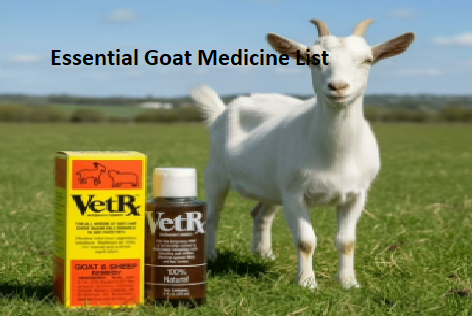
Maintaining a functional goat medicine list is a fundamental responsibility for any herd manager, ensuring you are prepared for common health challenges before they escalate. Access to the right supplies allows you to address minor injuries or symptoms immediately, potentially saving the life of an animal while you wait for veterinary consultation.
By organizing your kit with specific, high-priority items, you eliminate the panic of scrambling for supplies during a health crisis. This overview provides the essential components you need to build a reliable inventory for your farm, helping you maintain a healthy and productive herd through proactive preparation and informed medical management.
The Core Inventory for Goat Health
A well-stocked goat medicine list should prioritize items that address the most frequent ailments, such as respiratory infections, digestive distress, and external parasites. You must keep these supplies in a clean, temperature-controlled environment to ensure their chemical stability and effectiveness over time. Never store medications in direct sunlight or areas prone to extreme freezing and thawing, as this degrades active ingredients rapidly.
Your kit should be divided into categories to ensure quick identification during an emergency. Essential categories include wound care, anti-parasitics, electrolytes, and basic diagnostic tools like a high-quality rectal thermometer. Always ensure you have a logbook to record batch numbers and expiration dates for every item in your cabinet.
Vital Medications and Treatments
The most common medications found in a reliable goat medicine list include broad-spectrum antibiotics and specialized treatments for common caprine issues. For example, Penicillin G Procaine is frequently kept on hand for treating infections, though it requires precise weight-based dosing to avoid toxicity. You should also stock a reliable coccidiostat, such as Amprolium, to combat coccidiosis, which is a major threat to young kids.
Other staples include an antiseptic spray like Blu-Kote for minor skin abrasions and a quality probiotic paste to support rumen function after antibiotic therapy. Always verify the withdrawal periods for any medication you administer, especially if you sell milk or meat from your animals. The United States Department of Agriculture provides extensive resources on animal health protocols that can help you understand the legal requirements for using these substances.
Comparison of Common Goat Medications
When selecting products, it is helpful to understand the primary use and the typical administration method for each. The following table provides a quick reference for standard supplies that should be present on your farm.
| Medicine/Supply | Primary Use | Administration |
|---|---|---|
| Penicillin G | Bacterial Infection | Intramuscular |
| Amprolium | Coccidiosis | Oral Drench |
| Electrolytes | Dehydration | Oral |
| Antiseptic Spray | Wound Care | Topical |
| Probiotics | Rumen Support | Oral Paste |
Essential Tools for Administration
Having the medicine is only half the battle; you must also have the correct tools to deliver the treatment safely. A varied selection of syringes, ranging from 3cc for precise dosing to 60cc for drenching, is necessary for a versatile goat medicine list. Always keep a supply of various needle gauges, with 18-gauge to 20-gauge needles being the most common for subcutaneous and intramuscular injections.
You should also maintain a set of drenching syringes or “guns” for oral medications, as these are much safer than trying to force a standard syringe into a goat’s mouth. Including a small, sharp pair of bandage scissors and a digital thermometer will allow you to assess the severity of a situation before choosing a treatment. Keeping these tools clean and sterilized prevents the introduction of new infections during the treatment process.
Managing Parasite Control
Parasite resistance is a growing concern, making your selection of dewormers a critical part of your overall health strategy. You should not rely on a single product, as rotating classes of dewormers based on fecal egg count results is the best way to maintain efficacy. Your list should include specific products recommended by your local veterinarian based on the resistance patterns in your specific geographic area.
Be aware that many common dewormers are used off-label in goats, meaning they were originally developed for cattle or sheep. Because goats have a faster metabolism, they often require higher dosages than other livestock to achieve the same therapeutic effect. Always consult with a professional to calculate the exact dosage to avoid under-dosing, which accelerates the development of resistant parasite populations.
Emergency Supplies to Keep on Hand
Beyond routine medications, your goat medicine list must account for acute emergencies like bloat or severe diarrhea. Bloat relief, such as an anti-foaming agent like Poloxalene, can be a life-saving addition to your cabinet. You should also keep a supply of activated charcoal on hand in case of accidental ingestion of toxic plants or poisonous substances.
Severe diarrhea can dehydrate a goat rapidly, making electrolyte replacement one of the most important aspects of emergency care. Keep several packets of high-quality livestock electrolytes ready to mix with water at a moment’s notice. Maintaining these items in a “go-bag” allows you to treat an animal in the pasture without needing to move them to the barn, which reduces stress during a crisis.
Maintaining Your Medical Inventory
A list is only useful if the items on it are current and safe to use. Establish a quarterly check of your supplies to remove expired medications and replace used items before you actually need them. When you discard old medication, do so according to local environmental regulations rather than simply tossing it in the trash.
Create a simple inventory sheet that lists the name of the product, the purchase date, and the expiration date. By keeping this sheet attached to the inside of your medicine cabinet door, you can spot potential shortages at a glance. Investing in a small, lockable box for your supplies also keeps them away from children and unauthorized individuals who might not know how to handle these substances safely.
Key Considerations for Beginners
If you are new to keeping goats, do not feel pressured to buy every possible medication at once. Focus on the basics: wound care, a thermometer, electrolytes, and one or two essential antibiotics that your veterinarian has approved for your herd. Build your collection slowly as you encounter specific health issues and learn the proper administration techniques for each.
Never attempt a procedure you are uncomfortable with, such as an intramuscular injection, without first having someone experienced show you the correct technique. Proper training ensures that you don’t cause unnecessary pain or injury to the animal during the administration process. Always prioritize the relationship with your local large-animal vet, as they are the ultimate authority for your specific herd’s needs.
Frequently Asked Questions
How often should I rotate my dewormers?
You should not rotate dewormers on a set schedule anymore, as this practice is now known to contribute to widespread parasite resistance. Instead, perform regular fecal egg count tests and only deworm the individuals that show high parasite loads.
Can I use human antibiotics for my goats?
No, you should never use human antibiotics or any medication not specifically cleared for your animals without direct veterinary oversight. Human medications can be ineffective, dangerous, or illegal for use in food-producing livestock.
What is the most important item in my medical kit?
A high-quality digital rectal thermometer is arguably the most important tool. Knowing if a goat has a fever is the first step in diagnosing almost any illness and dictates whether you need to use an antibiotic or a different treatment.
How do I know if my goat is dehydrated?
Check for dehydration by performing a skin tent test on the neck or by checking the color of their gums. If the skin does not snap back immediately or the gums are pale and tacky rather than moist and pink, the goat needs immediate electrolyte support.
Are over-the-counter antibiotics safe for goats?
While some products are available without a prescription, they must be used with extreme caution. Improper use of antibiotics can lead to drug residues in milk or meat and contributes to the growth of antibiotic-resistant bacteria in your herd.
Final Thoughts on Herd Management
Managing the health of your animals requires a blend of vigilance, preparation, and professional guidance. By maintaining a well-researched goat medicine list, you provide yourself with the best possible chance to address health issues quickly and effectively. Remember that your kit is a dynamic resource that should evolve as your herd grows and your experience increases.
Always keep the contact information for your veterinarian clearly posted near your supplies for those moments when a situation exceeds your current skill level. Proactive care and a stocked medicine chest are the hallmarks of a responsible owner dedicated to the long-term well-being of their livestock. If you have questions about specific dosages or treatments, reach out to your local vet to ensure your protocols are safe and effective for your specific animals.
