

The Kalahari Red goat is a highly specialized breed prized for its hardiness, exceptional meat production, and striking red coloration. Originating from the arid regions of Southern Africa, these animals have been selectively bred to survive and thrive in environments that would challenge more delicate livestock. Whether you are a commercial farmer or a smallholder, understanding the specific characteristics of this breed is essential for successful management and profitability.
By focusing on their unique metabolic efficiency and physical resilience, producers can leverage these goats to optimize output in harsh climates. This article provides a deep dive into why the Kalahari Red goat remains a cornerstone of modern sustainable livestock farming.
The primary reason breeders prioritize the Kalahari Red goat is its unparalleled ability to thrive in extreme heat and drought conditions while maintaining a high growth rate. Unlike many other meat breeds that require significant supplemental feeding or intensive housing, these animals are highly efficient browsers. They possess a natural resistance to common parasites and diseases, which significantly reduces veterinary costs over the animal’s lifespan.
An adult buck typically weighs between 70 and 90 kilograms, while a mature doe usually reaches between 50 and 65 kilograms. These weights are achieved largely through foraging, making them an ideal choice for operations looking to minimize input costs while maximizing meat yields.
Origins and Development of the Breed
The development of the Kalahari Red goat is a story of adaptation to the harsh, sun-drenched landscapes of the Kalahari Desert. Breeders recognized early on that the indigenous goats of the region possessed superior heat tolerance, though they often lacked the meat conformation of European or improved breeds.
By crossing these hardy local genetics with selected Boer goat stock, breeders created a composite animal that balances ruggedness with commercial meat quality. This deliberate selection process focused on skin pigment, as the deep red coat offers natural protection against intense solar radiation.
Modern breeding programs have strictly maintained the breed’s standard to ensure that these functional traits are not lost. The goal was never to create a show animal, but rather a robust, functional creature that could survive in the semi-arid bushveld.
Because they spend more time grazing and browsing in the heat of the day, their metabolic rate is perfectly tuned to the environment. This evolutionary advantage means that farmers spend less time hauling water and feed, as these goats are masters of resource management.
Physical Characteristics and Identification
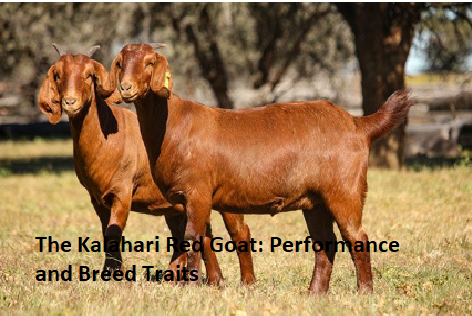
When evaluating a Kalahari Red goat, the first thing a producer notices is the uniform, deep red to tan coat. This coloration is not just aesthetic; it is a functional trait that helps the animal blend into the bushveld, providing some protection against predators.
Their skin is heavily pigmented, which is a key factor in their ability to endure high UV exposure without suffering from skin cancers or severe sunburn. This pigment also helps in thermoregulation during the hottest hours of the day.
The body structure of the breed is compact and muscular, specifically designed for mobility over rough terrain. They possess a broad chest, a strong back, and well-developed hindquarters, which are the primary indicators of a superior meat animal.
Their ears are typically long and pendulous, similar to the Boer goat, which assists in dissipating body heat. A clean, alert head with a Roman nose and strong, dark hooves completes the profile of a hardy, high-performing animal.
Nutritional Efficiency and Foraging Habits
One of the most compelling aspects of the Kalahari Red goat is its ability to extract nutrients from low-quality forage. They are browsers by nature, preferring to feed on the leaves, twigs, and shrubs that other livestock might ignore.
This dietary flexibility allows them to thrive in areas where grass is sparse or of poor quality. By utilizing different strata of vegetation, they do not compete directly with cattle, making them an excellent addition to multi-species grazing systems.
Their metabolic efficiency is a direct result of their ancestral environment, where food sources were often seasonal and unpredictable. They have evolved to store energy efficiently and recover quickly from periods of nutritional stress.
This resilience ensures that the herd remains productive even during the dry season, provided they have access to adequate browse and clean water. Farmers often observe that these goats maintain their body condition score far better than other breeds when faced with similar environmental pressures.
Breeding and Reproductive Performance
Reproduction is the engine of any livestock operation, and the Kalahari Red goat excels in this department. Does are known for their strong mothering instincts and high fertility rates.
It is not uncommon for a well-managed herd to achieve a high kidding percentage, with many does producing twins consistently. Their milk production is sufficient to support rapid kid growth, which is critical for reaching market weight quickly.
The breeding cycle is often year-round in warmer climates, though most commercial operations align kidding seasons with the availability of peak forage. Because the does are excellent mothers, kid mortality rates are generally low, provided basic husbandry standards are met. This high survival rate, combined with their rapid growth, allows for a faster turnover of stock and a more predictable income stream for the producer.
Comparison with Other Meat Breeds
To understand the market position of the Kalahari Red goat, it is helpful to compare its performance against the industry standard, the Boer goat. While both are excellent meat producers, their environmental requirements and management styles differ significantly. The following table highlights some of the key functional differences between these popular breeds.
| Feature | Kalahari Red Goat | Boer Goat |
|---|---|---|
| Heat Tolerance | Exceptional | Moderate |
| Foraging Ability | High (Excellent Browser) | Moderate (Grazer/Browser) |
| Skin Pigmentation | Deep Red (High Protection) | Variable (Requires Care) |
| Maintenance Needs | Low | Moderate to High |
As the table demonstrates, the choice between these breeds depends largely on the specific climate and forage availability of the farm. The Kalahari Red is often the superior choice for extensive, arid systems where inputs must be kept to a minimum. Conversely, the Boer goat might be preferred in intensive systems where high-quality feed is readily available and maximum growth rate is the priority.
Management Tips for Herd Health
Maintaining a healthy herd of Kalahari Red goats requires a proactive approach to parasite control and vaccination. Despite their natural resilience, they are still susceptible to internal parasites like wireworm, especially in areas with high humidity or poor pasture management.
A structured deworming program, based on fecal egg counts rather than calendar dates, is the most effective way to manage these risks. This prevents the development of resistance in the parasite population.
Vaccination protocols should be discussed with a local veterinarian to ensure protection against region-specific diseases. Common threats often include pulpy kidney, tetanus, and various respiratory infections.
Keeping the herd in well-drained, clean pens during the night and ensuring they have access to dry bedding can prevent many of the common hoof and respiratory issues that plague less hardy breeds. Providing a balanced mineral lick is also crucial for overall health and reproductive success.
Economic Advantages and Market Demand
The demand for goat meat, or chevon, is growing globally as consumers seek healthier, leaner protein sources. The Kalahari Red goat is perfectly positioned to meet this demand due to the high quality of its meat, which is often described as tender and flavorful.
Because the breed is hardy and requires fewer inputs, the profit margin per animal can be higher than that of more sensitive breeds. This is particularly true for farmers operating on marginal land where other agricultural ventures might fail.
Beyond the meat market, there is a strong demand for high-quality breeding stock. Farmers looking to improve the hardiness of their existing herds often seek out purebred Kalahari Red bucks to introduce those genetics.
This creates a dual-income stream for stud breeders: selling high-quality meat animals for slaughter and selling performance-tested breeding stock to other producers. Developing a reputation for quality and honest production records is the most effective way to build a sustainable business in this sector.
Frequently Asked Questions
Why is the Kalahari Red goat considered so resilient?
The breed’s resilience is a result of selective breeding for survival in harsh, arid landscapes. They possess a unique metabolic efficiency that allows them to maintain body condition on low-quality browse, and their deep pigmentation protects them from the intense solar radiation found in their native habitats.
How do Kalahari Red goats differ from Boer goats in temperament?
Both breeds are generally docile, but the Kalahari Red is often noted for being more self-reliant and alert. Because they are often raised in more extensive, open-range conditions, they tend to be more active and better at navigating difficult terrain to find food.
Are Kalahari Red goats suitable for small-scale farming?
They are excellent for small-scale farming because of their low input requirements. Their ability to survive on brush and shrubs means they can be kept on smaller plots that might not support high-density grazing animals, provided the stocking rate is managed correctly.
What is the typical weight of a mature Kalahari Red goat?
A mature buck typically weighs between 70 and 90 kilograms, while a mature doe generally hits between 50 and 65 kilograms. These weights are achievable on natural forage in well-managed environments, making them a very efficient meat-producing animal.
Where can I find reputable breeders?
You can find reputable breeders by contacting national goat or livestock associations in your region. For those in Southern Africa, the Agri SA website provides resources and links to various agricultural unions that can direct you to registered breeders of hardy, performance-tested stock.
Conclusion
The Kalahari Red goat represents a practical solution for producers who want to maximize output while working in harmony with challenging environments. By prioritizing the breed’s natural hardiness, efficient foraging capabilities, and robust reproductive performance, farmers can build a sustainable and profitable livestock operation. Success in this field requires more than just acquiring good stock; it demands a commitment to understanding the specific needs of these animals and managing the land to support their natural behaviors.
As you look toward the future of your own herd, focus on selecting individuals that demonstrate the best combination of growth rate and environmental adaptability. Start by observing your local forage conditions and determining if your current management system can support the browsing habits of this unique breed. With consistent attention to health and selective breeding, the Kalahari Red goat can become a reliable and rewarding asset for your farm for years to come.
