

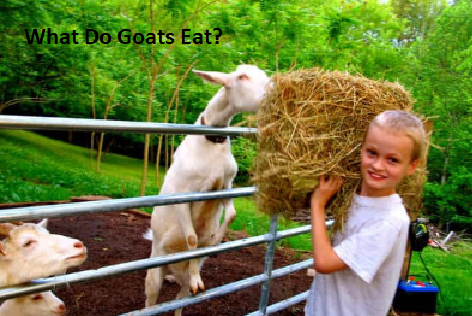
Understanding what goats eat is essential for any owner aiming to keep their herd healthy, productive, and long-lived. While these animals are famous for their ability to survive on sparse vegetation, they are actually selective browsers rather than simple grazers. They require a balanced intake of fiber, protein, and essential minerals to thrive in various environments.
By learning the specifics of their complex digestive systems, you can avoid common health pitfalls and ensure your goats receive the nutrition they need every day. This article breaks down the dietary requirements of caprine animals to help you provide the best care possible for your flock.
The Core Components of a Goat’s Diet
At their most fundamental level, goats are ruminants that rely on high-fiber forage to maintain their four-compartment stomach. The primary component of what goats eat is forage, which includes pasture grasses, weeds, and woody shrubs. Unlike cattle, which prefer grazing on low-lying grasses, goats naturally gravitate toward browsing on higher-growing plants.
This behavior allows them to access a wider variety of nutrients throughout the seasons. Providing high-quality hay or fresh pasture is the most critical step in meeting their daily energy requirements.
Fiber acts as the fuel for the microbial population within the rumen. Without sufficient long-stemmed fiber, the digestive process slows down, leading to potentially fatal conditions like acidosis or bloat. You should ensure that your animals have access to forage that is free from mold and excessive dust.
When grazing is limited, high-quality grass hay, such as timothy or orchard grass, serves as an excellent substitute. Always prioritize clean, dry forage to prevent the ingestion of parasites or harmful spores.
Why Browse Plants Matter
Goats are biologically designed to be browsers, meaning they prefer leaves, twigs, and bark over standard lawn grass. This dietary preference allows them to maintain a diverse nutritional profile by sampling different parts of various plants. They are particularly fond of brushy areas, brambles, and even woody trees that other livestock might ignore.
By allowing goats to browse, you are not just feeding them; you are also managing invasive plant species on your property. This natural behavior helps them select the most nutrient-dense parts of a plant, which are often the tender tips and new growth.
Different plants offer unique micronutrients that are not present in standard hay. For example, some tree leaves are rich in tannins, which can provide natural deworming properties. However, you must be vigilant about the plants in your area, as some common garden shrubs and ornamental trees are toxic to ruminants.
Always cross-reference your local vegetation with reliable agricultural sources to keep your herd safe. Balancing managed pasture with natural browsing provides the most well-rounded diet for a healthy goat.
Essential Minerals and Supplements
A common mistake in goat management is assuming that forage provides all the necessary minerals for long-term health. Because soil quality varies significantly by region, goats often require a loose mineral supplement specifically formulated for their species. These supplements usually contain high levels of copper, selenium, and zinc, which are vital for reproductive health and coat condition.
Never use mineral blocks intended for sheep, as they often lack the copper that goats require for proper metabolism. Conversely, sheep-specific minerals can be toxic to goats due to the copper content, so always check labels carefully.
In addition to minerals, water is the most overlooked part of the diet. Goats are notoriously picky about water quality and will often refuse to drink if it is stagnant or contaminated with debris. A goat that does not drink enough water will quickly reduce its feed intake, leading to metabolic issues and decreased milk production.
Keep water troughs scrubbed and refilled daily to encourage consistent hydration. You can learn more about these requirements through the Penn State Extension guide on goat nutrition to see how specific minerals impact overall herd performance.
Foods to Avoid Entirely
Knowing what goats eat is only half the battle; you must also know what they should never touch. Some common household items and garden plants can be lethal even in small quantities. Nightshade family plants, including tomatoes, potatoes, and peppers, are generally considered unsafe for goats to consume in large amounts.
Additionally, avoid feeding them chocolate, onions, or any moldy feed, as these can trigger severe digestive distress or toxicity. Even if a goat appears to tolerate a small amount of a toxic plant, the cumulative effect can cause long-term organ damage.
Human food scraps are another area of concern for many new owners. While it might be tempting to offer leftovers, most processed foods contain salt, sugar, or preservatives that interfere with a goat’s delicate rumen balance. Stick to natural, whole foods to ensure their internal bacteria remain stable.
If you are unsure whether a specific plant or food item is safe, it is always best to err on the side of caution. A quick search of a reputable toxic plant database can save you from a veterinary emergency.
Nutritional Needs by Life Stage
The dietary requirements of a goat change significantly depending on its age and reproductive status. A growing kid needs higher protein levels to support bone and muscle development compared to a mature wether. Meanwhile, a lactating doe requires a massive increase in energy and calcium to support milk production.
Failing to adjust their feed based on these life stages can lead to stunted growth or metabolic burnout. You should monitor the body condition score of each animal individually rather than relying on a “one size fits all” feeding strategy.
| Life Stage | Primary Focus | Supplementation Need |
|---|---|---|
| Growing Kid | Protein & Energy | High-quality forage |
| Lactating Doe | Calcium & Energy | Alfalfa hay/Grain |
| Mature Wether | Fiber Maintenance | Standard grass hay |
| Pregnant Doe | Balanced Minerals | Increased forage volume |
Adjusting these inputs ensures that your herd remains productive throughout their entire lifecycle. During the winter months, when forage is scarce, you may need to increase the caloric intake of the entire herd.
Keep a close eye on their weight; a drop in weight during winter is a sign that your feeding program needs to be adjusted. By tracking these milestones, you can proactively manage the health of your animals.
The Role of Grains and Concentrates
While forage should always be the foundation of the diet, grains and concentrates can play a role in specific situations. These high-energy feeds are useful for goats that are working hard, such as those in heavy milk production or those recovering from illness. However, over-feeding grain can lead to severe health issues like urinary calculi, particularly in males.
You should limit grain intake to a small percentage of the total diet and always provide it as a supplement rather than a replacement for hay. If you decide to include grains, look for balanced pellets that contain ammonium chloride to help prevent urinary issues.
Always introduce new concentrates gradually to allow the rumen microbes to adapt to the change. Sudden changes in diet are a common cause of digestive upset in goats. If you see a goat exhibiting signs of lethargy or bloating after a feed change, pull the grain immediately and monitor them closely.
Most healthy, non-lactating goats can maintain excellent body condition on good forage and minerals alone. Only add grain when there is a clear, evidence-based reason to support the animal’s specific energy needs.
Seasonal Feeding Strategies
The environment in which you raise goats changes throughout the year, requiring you to adapt your feeding practices accordingly. During the spring, lush pasture growth can lead to rapid weight gain or even bloat if animals are not transitioned carefully. Limit grazing time initially to allow their digestive systems to adjust to the high moisture and sugar content of fresh grass.
Conversely, late summer can bring drought conditions where pasture quality drops significantly. Be prepared to supplement with hay well before the grass disappears entirely to prevent a nutritional gap.
Winter feeding requires the most planning, as the caloric cost of staying warm is significant for a goat. Store enough dry, clean hay to last through the entire dormant season, plus a buffer for unexpected weather delays. Consider the location of your feeding stations to ensure that all goats have equal access to hay without aggressive competition.
If you have a large herd, creating multiple feeding points can reduce stress and ensure that the more timid goats get their share. Planning for these seasonal cycles is a hallmark of responsible goat ownership.
Frequently Asked Questions
What is the best thing to feed goats?
The best food for goats is high-quality, long-stemmed forage such as alfalfa or orchard grass hay. This base should be supplemented with free-choice loose minerals and constant access to clean water.
What should you not feed goats?
You should avoid feeding goats foods from the nightshade family, onions, chocolate, and any moldy or spoiled feed. These items can cause severe toxicity or digestive disruption that is difficult to treat.
Do goats have to be fed every day?
Yes, goats require consistent daily management. While they can graze on pasture for long stretches, they need daily monitoring for water intake, mineral access, and health status to ensure they are thriving.
Can goats eat meat?
No, goats are strict herbivores. Their digestive systems are evolved specifically to process plant matter, and they cannot properly digest or derive nutrition from animal proteins.
How do I know if my goat is getting enough nutrients?
You can monitor a goat’s nutritional status by checking its body condition score, coat health, and energy levels. A goat with a dull coat, poor weight, or lethargy likely has an underlying dietary deficiency that needs addressing.
Conclusion
Providing a proper diet is the most effective way to ensure the long-term health of your herd. By focusing on high-quality forage, appropriate mineral supplementation, and a deep understanding of what goats eat, you can prevent many of the common health issues that plague novice owners. Remember that each goat is an individual, and their needs will shift based on their age, activity level, and the time of year.
Stay observant, keep your feeding areas clean, and consult with a local veterinarian if you notice any persistent changes in your animals’ condition. Taking these steps will help you maintain a productive, happy, and healthy herd for years to come.
